


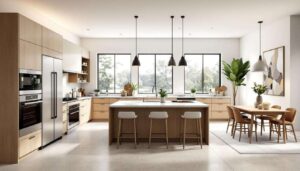
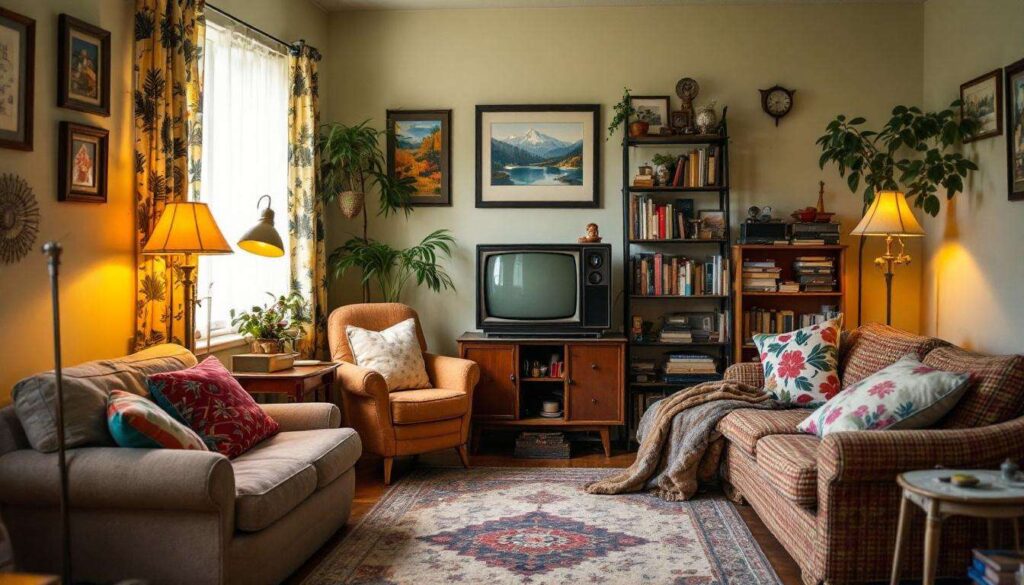
The way we decorate our homes often tells a story about where we came from, revealing subtle markers of our upbringing that we might not even realize we’re displaying. For those who grew up in lower middle-class households, certain decorating habits become second nature, shaped by years of resourcefulness, practicality, and making the most of limited budgets. These patterns aren’t about shame or judgment but rather about understanding how our formative years influence our aesthetic choices and priorities. From furniture selection to the items we choose to display, these ten subtle decorating habits can instantly signal a lower middle-class background to those who recognize the signs.
Cheap furniture and DIY
Prioritizing function over brand names
Lower middle-class homes typically feature furniture from budget-friendly retailers rather than designer showrooms. Pieces from discount stores, big-box retailers, or flat-pack furniture companies dominate living spaces. The focus remains squarely on functionality and affordability rather than brand prestige or investment-quality craftsmanship. These furniture choices often include particle board construction, laminate finishes, and assembly-required pieces that serve their purpose without breaking the bank.
The prevalence of DIY projects
Do-it-yourself projects represent another hallmark of lower middle-class decorating. Rather than hiring professionals or purchasing expensive custom pieces, residents tackle home improvement tasks themselves. Common DIY indicators include:
- Hand-painted accent walls with slightly uneven edges
- Self-installed shelving units with visible brackets
- Repainted or refinished furniture showing amateur technique
- Homemade curtains or cushion covers
- Pallet furniture or cinder block bookshelves
These projects demonstrate resourcefulness and creativity but often lack the polished finish of professional work. While the effort deserves recognition, the execution sometimes reveals the budget constraints behind the choices.
Beyond furniture selection, the items we choose to display on our tables and shelves tell their own story about our background.
Mismatched dishware collection
Accumulated pieces over time
Lower middle-class kitchens rarely showcase complete, matching dish sets. Instead, cabinets contain an eclectic collection accumulated through various means over many years. Plates, bowls, and cups come from different patterns, eras, and sources, creating a mismatched aesthetic that prioritizes having enough dishes over coordinated presentation. This collection typically includes promotional items from grocery stores, hand-me-downs from relatives, and pieces purchased individually as needed rather than as complete sets.
Sources of dishware variety
The origins of these mismatched collections reveal much about spending priorities:
| Source | Percentage | Characteristics |
|---|---|---|
| Thrift stores | 30% | Vintage patterns, chipped edges |
| Family hand-me-downs | 25% | Outdated styles, sentimental value |
| Promotional giveaways | 20% | Brand logos, basic designs |
| Budget retailers | 15% | Plain white, mismatched sizes |
| Wedding gifts kept | 10% | Nicer pieces, used sparingly |
This practical approach to dishware extends beyond the kitchen to the personal items displayed throughout the home.
Decorative items: family mementos
Sentimental value over aesthetic coordination
Lower middle-class homes prominently feature family photographs and mementos as primary decorative elements. Rather than curated art pieces or designer accessories, walls and surfaces display personal items with sentimental significance. School photos in mismatched frames line hallways, refrigerators overflow with children’s artwork held by promotional magnets, and shelves showcase trophies, graduation tassels, and vacation souvenirs regardless of whether they coordinate with the room’s color scheme.
The display philosophy
This decorating approach reflects a fundamental difference in priorities. Items earn their place through emotional connection rather than aesthetic merit. Common displays include:
- Framed family photos in various sizes and frame styles
- Children’s handmade crafts and school projects
- Religious items like crosses, prayer cards, or inspirational plaques
- Commemorative plates or figurines from special occasions
- Sports trophies and academic awards
- Souvenir items from family vacations
These collections create a lived-in atmosphere that prioritizes memory preservation over interior design principles. While wealthier homes might relegate personal photos to private spaces, lower middle-class homes proudly display family history as the main decorative theme.
This practical mindset extends beyond what’s displayed to how purchases are made in the first place.
Use of coupons and discounts
Strategic shopping habits on display
Lower middle-class homes often contain visible evidence of coupon culture and discount shopping. Refrigerators feature clipped coupons held by magnets, kitchen drawers overflow with loyalty cards and promotional flyers, and storage areas contain bulk purchases from warehouse clubs. This strategic approach to shopping becomes part of the home’s visual landscape rather than something hidden away.
Discount shopping indicators
Several telltale signs reveal a household’s commitment to bargain hunting:
- Seasonal decorations purchased post-holiday at clearance prices
- Generic or store-brand products prominently displayed
- Bulk quantities of household items visible in living spaces
- Promotional items from stores serving as everyday household goods
- Reward program materials and membership cards on display
This budget-conscious approach extends to every purchasing decision, from groceries to home goods. The visibility of these habits distinguishes lower middle-class homes from wealthier households where such practical considerations happen behind the scenes.
Just as purchasing habits reveal background, so do the sources of major household items.
Inherited furniture and repurposing
Multigenerational furniture pieces
Lower middle-class homes frequently feature furniture passed down through family generations. These inherited pieces often don’t match the home’s overall aesthetic but remain because they’re functional and free. A grandmother’s china cabinet might sit alongside modern pieces, or a parent’s old dresser serves in a child’s room despite outdated styling. This mix of eras and styles creates an uncoordinated look that prioritizes practicality over design cohesion.
Creative repurposing projects
Beyond simply using inherited items as intended, lower middle-class decorating often involves repurposing furniture for new functions. An old dresser becomes a bathroom vanity, wooden crates transform into shelving units, and vintage suitcases serve as decorative storage. These creative solutions demonstrate resourcefulness while revealing budget limitations that prevent purchasing purpose-built furniture.
This make-do attitude contrasts sharply with the technological investments visible in wealthier homes.
Absence of high-tech gadgets
Technology gaps in home automation
Lower middle-class homes typically lack the smart home technology that has become standard in upper-middle-class households. Thermostats remain manual, lighting lacks smart controls, and security systems consist of basic locks rather than integrated digital solutions. This technology gap reflects both budget constraints and different spending priorities that favor immediate needs over convenience upgrades.
Entertainment and appliance choices
The technology present in these homes tends toward basic functionality:
| Category | Lower Middle Class | Upper Middle Class |
|---|---|---|
| Television | Older models, smaller screens | Latest smart TVs, 65+ inches |
| Kitchen appliances | Basic, manual controls | Smart, programmable features |
| Home security | Simple locks, maybe alarm | Integrated smart systems |
| Climate control | Manual thermostats | Smart, app-controlled systems |
This technology divide becomes immediately apparent to visitors familiar with more affluent homes, serving as another subtle indicator of socioeconomic background.
These decorating habits collectively paint a picture of resourcefulness, practicality, and family-centered values that characterize lower middle-class households. The emphasis on functionality over aesthetics, sentimental value over design coordination, and making do with what’s available rather than purchasing new items reflects both budget realities and cultural priorities developed during formative years. Understanding these patterns helps explain why certain decorating choices feel natural and comfortable to those who grew up with limited resources, even as their financial situations may improve over time. These subtle markers remain embedded in our approach to creating a home, serving as reminders of where we came from and the values that shaped us.