
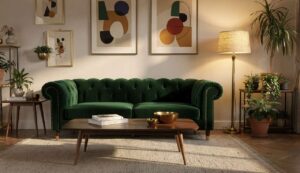

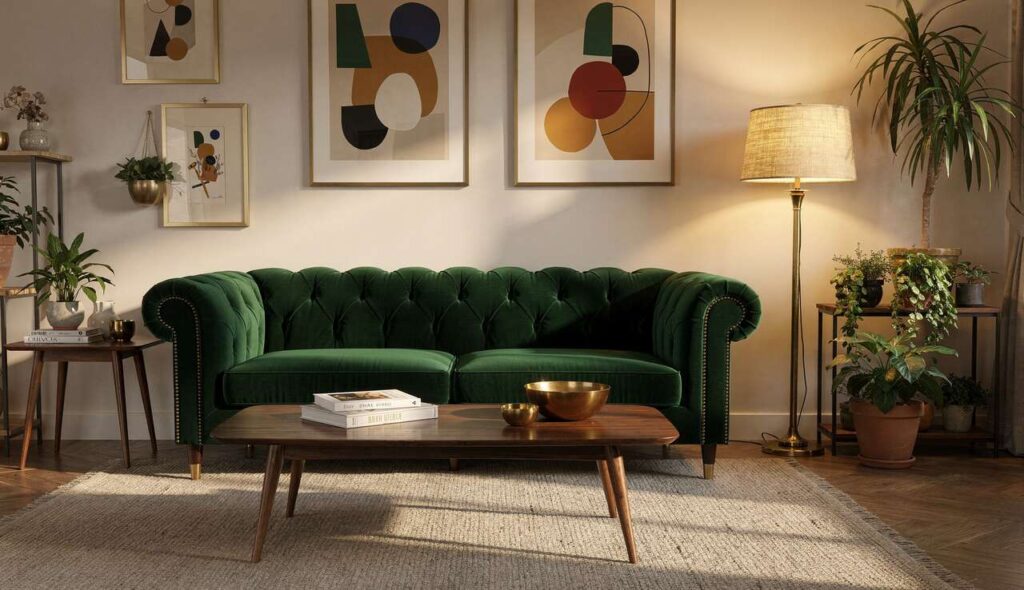
Interior design has always moved in cycles, with styles from previous decades regularly resurfacing with fresh appeal. What once seemed dated can suddenly look cutting-edge when paired with contemporary elements. The key lies in understanding which classic design choices possess inherent qualities that transcend their original era. By carefully selecting and reinterpreting old-school decorating elements, homeowners can create spaces that feel both nostalgic and remarkably current. These vintage-inspired choices offer character and warmth that purely modern aesthetics sometimes lack, proving that good design never truly goes out of style.
The comeback of floral patterns
Why florals are making waves again
Floral patterns have shed their grandmother’s wallpaper reputation and emerged as a sophisticated design choice. Contemporary designers are reimagining botanical prints with bold color palettes and oversized scales that feel fresh rather than fussy. The resurgence stems from a growing appreciation for nature-inspired elements in interior spaces, particularly as people seek connections to the outdoors within their homes.
Modern floral applications differ significantly from their predecessors through:
- Simplified silhouettes with fewer competing elements
- Unexpected color combinations like black backgrounds with vibrant blooms
- Large-scale prints that make dramatic statements
- Strategic placement on accent walls or single furniture pieces
- Mixing florals with geometric patterns for visual interest
How to incorporate florals without overwhelming spaces
The secret to successful floral integration lies in restraint and balance. Rather than covering entire rooms in botanical prints, designers recommend choosing one focal point. A single upholstered chair in a dramatic floral fabric can anchor a neutral room without dominating it. Alternatively, wallpapering just one wall creates impact while maintaining breathing room.
| Application | Best For | Modern Approach |
|---|---|---|
| Wallpaper | Dining rooms, powder rooms | Dark backgrounds with metallic accents |
| Upholstery | Accent chairs, ottomans | Oversized blooms in unexpected colors |
| Textiles | Throw pillows, curtains | Mixed with solid neutrals |
| Art | Living rooms, bedrooms | Abstract botanical interpretations |
This renewed interest in botanical elements naturally extends to other aspects of traditional design, particularly in how we illuminate our spaces.
Retro lighting: timeless illumination
Classic fixtures with contemporary appeal
Mid-century pendant lights and vintage-inspired chandeliers have become staples in modern interiors. These fixtures combine functional lighting with sculptural presence, serving as both illumination and art. The enduring appeal of retro lighting stems from superior craftsmanship and distinctive designs that mass-produced contemporary fixtures often lack.
Popular retro lighting styles experiencing renewed popularity include:
- Sputnik chandeliers with radiating arms and exposed bulbs
- Globe pendant lights in brass or smoked glass
- Arc floor lamps with adjustable curved arms
- Industrial cage pendants originally from factories
- Tiffany-style stained glass lamps with updated color schemes
Mixing vintage lighting with modern technology
The beauty of incorporating retro fixtures lies in their compatibility with contemporary technology. Many vintage-style lights now accommodate LED bulbs and smart home systems, offering energy efficiency without sacrificing aesthetic appeal. This fusion allows homeowners to enjoy the warmth and character of classic designs while benefiting from modern convenience and sustainability.
Professional electricians can retrofit authentic vintage fixtures with updated wiring, making them both safe and functional for current electrical standards. This approach preserves the integrity of genuine antique pieces while ensuring they meet contemporary building codes.
Just as lighting fixtures anchor a room’s ambiance, the furniture pieces themselves establish the foundation of any well-designed space.
The impact of solid wood furniture
Why quality wood pieces outlast trends
Solid wood furniture represents an investment in longevity that particle board and veneer alternatives cannot match. These pieces develop character through use, with natural patinas and minor wear adding to their appeal rather than diminishing it. The sustainability factor also contributes to their modern relevance, as consumers increasingly value furniture that won’t end up in landfills after a few years.
Advantages of solid wood furniture in contemporary settings:
- Durability that spans generations with proper care
- Ability to refinish and repurpose multiple times
- Natural beauty that complements various design styles
- Structural integrity that improves with age
- Environmental benefits compared to synthetic materials
Styling wooden pieces in minimalist spaces
Incorporating substantial wood furniture into minimalist interiors requires thoughtful curation. Rather than filling rooms with multiple wooden pieces, select one or two statement items that anchor the space. A solid walnut dining table or oak credenza provides warmth and texture against white walls and sleek surfaces, creating visual interest without clutter.
| Wood Type | Characteristics | Best Modern Use |
|---|---|---|
| Walnut | Rich brown tones, straight grain | Dining tables, media consoles |
| Oak | Prominent grain, light to medium color | Bookshelves, bed frames |
| Teak | Golden brown, weather-resistant | Outdoor furniture, accent pieces |
| Cherry | Reddish tones, smooth grain | Desks, side tables |
While wood provides organic warmth, metallic accents offer a complementary element that elevates traditional aesthetics to contemporary heights.
The charm of gilding
Gold and brass accents done right
Gilded details have transcended their association with excessive opulence to become sophisticated accent elements. The key to modern gilding lies in selective application rather than overwhelming abundance. Small doses of gold or brass create luxurious focal points without appearing dated or ostentatious.
Contemporary applications of metallic finishes include:
- Picture frames in matte gold surrounding modern art
- Brass hardware on kitchen cabinets and bathroom fixtures
- Gilded mirror frames as statement pieces
- Mixed metallic finishes within single rooms
- Antique brass lighting fixtures paired with industrial elements
Balancing warmth and elegance
The resurgence of warm metallic tones responds to the coldness that dominated interiors during the stainless steel era. Brass and gold finishes introduce inviting warmth while maintaining elegance. Designers recommend mixing metallic finishes rather than matching them perfectly, which creates a collected-over-time aesthetic that feels authentic rather than coordinated.
When incorporating gilded elements, consider the existing color palette. Gold tones complement warm neutrals like cream, taupe, and soft gray, while cooler metals suit stark white and charcoal schemes. The finish quality matters significantly, with brushed or antiqued metals appearing more sophisticated than high-shine versions in most contemporary settings.
These carefully chosen metallic touches work harmoniously alongside authentic pieces from past eras, creating layered interiors with depth and history.
Incorporating vintage pieces
Sourcing authentic vintage items
Genuine vintage pieces add irreplaceable character to modern homes. Estate sales, antique markets, and specialized dealers offer opportunities to discover unique items with provenance and craftsmanship that reproductions cannot replicate. The hunt itself becomes part of the design process, allowing homeowners to curate collections that reflect personal taste rather than following prescribed trends.
Effective sourcing strategies include:
- Researching specific eras and styles before shopping
- Inspecting items carefully for structural integrity
- Negotiating prices at flea markets and estate sales
- Building relationships with reputable dealers
- Understanding restoration costs before purchasing damaged pieces
Creating cohesion between old and new
Successfully blending vintage and contemporary elements requires a unifying strategy. Color palette serves as an effective connector, with vintage pieces reupholstered in modern fabrics or painted to complement existing schemes. Scale and proportion also matter, ensuring that antique furniture fits comfortably within the room’s dimensions without overwhelming or disappearing.
| Vintage Element | Modern Pairing | Result |
|---|---|---|
| Antique dresser | Minimalist bedroom | Character with clean lines |
| Vintage rug | Contemporary sofa | Texture and history |
| Old mirrors | Modern gallery wall | Eclectic sophistication |
| Retro bar cart | Sleek dining area | Functional focal point |
The most successful interiors balance vintage pieces with negative space, allowing each item to make its statement without competing for attention. This approach creates curated environments that feel intentional rather than cluttered, proving that old-school decor elements can indeed feel surprisingly modern when thoughtfully integrated.
Reviving classic design elements offers a sustainable and stylish alternative to chasing fleeting trends. Floral patterns bring nature indoors with contemporary flair, while retro lighting fixtures provide both function and sculptural beauty. Solid wood furniture delivers durability and warmth that synthetic materials cannot match, and carefully applied gilding adds luxurious touches without excess. Authentic vintage pieces contribute irreplaceable character when balanced with modern elements. These time-tested approaches demonstrate that the best design transcends temporal boundaries, creating homes with lasting appeal and personal significance.