



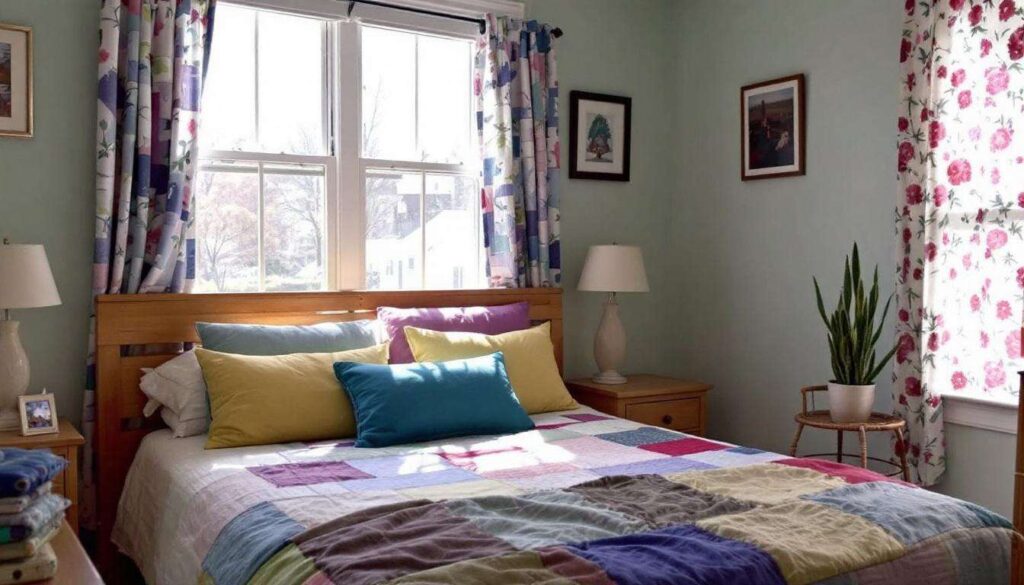
Old bedding often ends up in landfills when it reaches the end of its useful life, but designers and sustainability experts advocate for creative alternatives. Rather than discarding worn sheets, pillowcases, and duvets, homeowners can transform these textiles into functional items that serve new purposes throughout the home and beyond. These innovative reuse strategies not only reduce waste but also offer cost-effective solutions for everyday needs.
Transform your sheets into cleaning rags
Cutting and preparing fabric for household cleaning
Old cotton sheets provide exceptional absorbency for cleaning tasks throughout the home. The soft texture of worn bedding makes these rags gentle on surfaces while effectively capturing dust and dirt. To prepare sheets for cleaning purposes, cut the fabric into manageable squares measuring approximately 12 to 18 inches, creating pieces that fit comfortably in hand during use.
The versatility of sheet-based cleaning rags extends across multiple applications:
- Dusting furniture and electronics without scratching delicate surfaces
- Cleaning windows and mirrors for a streak-free finish
- Wiping kitchen counters and appliances
- Polishing wood surfaces and applying furniture treatments
- Absorbing spills quickly and efficiently
These reusable rags eliminate the need for disposable paper towels, creating an environmentally friendly cleaning system that saves money over time. Store the cut pieces in a designated container near cleaning supplies for convenient access during household chores.
Maintaining and laundering repurposed cleaning cloths
Unlike disposable alternatives, fabric cleaning rags require proper maintenance to ensure longevity and hygiene. Wash the cloths in hot water with regular detergent after each use, separating heavily soiled pieces from lightly used ones. Bleach can be added for white fabrics to maintain brightness and sanitize the material. Air drying or tumble drying on low heat prevents excessive wear while keeping the rags soft and ready for the next cleaning session.
| Fabric Type | Best Cleaning Use | Washing Temperature |
|---|---|---|
| Cotton sheets | General purpose cleaning | Hot (140°F+) |
| Flannel sheets | Dusting and polishing | Warm (90-110°F) |
| Jersey knit sheets | Delicate surfaces | Cold to warm |
This practical approach to bedding reuse addresses immediate household needs while establishing sustainable cleaning habits that benefit both budget and environment.
Create bags from pillowcases
Simple sewing techniques for functional tote bags
Pillowcases offer the perfect foundation for creating durable and spacious tote bags with minimal sewing required. The existing seams and fabric construction provide structural integrity, reducing the work needed to transform them into carrying solutions. Standard pillowcases measure approximately 20 by 30 inches, offering generous capacity for groceries, library books, or beach essentials.
To create a basic tote bag from a pillowcase, follow these straightforward steps:
- Turn the pillowcase inside out and sew the open end closed with a straight stitch
- Cut two strips from matching or contrasting fabric for handles, each measuring 3 inches wide and 24 inches long
- Fold each strip lengthwise and sew along the edge to create sturdy straps
- Attach handles to the closed end of the pillowcase, spacing them evenly for balanced carrying
- Reinforce handle attachment points with additional stitching for durability
The resulting bag combines practicality with personal style, particularly when using pillowcases with interesting patterns or colors that reflect individual taste.
Specialized bag designs for various purposes
Beyond basic totes, pillowcases can be adapted into specialized bags serving specific functions. Drawstring laundry bags emerge from adding cord channels at the opening, creating portable solutions for travel or college dormitories. Produce bags for grocery shopping require only the addition of mesh panels or leaving the original opening accessible with a simple tie closure.
Decorative elements enhance these functional pieces, transforming them into gifts or personalized accessories. Add embroidery, fabric paint, or iron-on patches to customize the appearance. Lined versions provide extra durability and a professional finish, achieved by inserting a second layer of fabric before completing the final seams.
These bag projects demonstrate how simple modifications extend the utility of bedroom textiles into everyday life beyond sleeping quarters.
Make curtains with old sheets
Measuring and preparing sheets for window treatments
Old sheets present an economical alternative to purchased curtain fabric, offering sufficient yardage to cover large windows or create floor-length drapes. The lightweight nature of sheet fabric allows natural light to filter through while providing privacy and visual interest to living spaces. Before beginning the transformation, measure window dimensions carefully, accounting for desired curtain length and fullness.
Preparation involves several key considerations:
- Wash and iron sheets thoroughly to remove wrinkles and ensure accurate measurements
- Calculate fabric requirements based on window width multiplied by 1.5 to 2 times for proper fullness
- Determine hem allowances for top and bottom edges, typically 3 to 4 inches each
- Plan for side hems of approximately 1 inch on each vertical edge
Flat sheets work particularly well for this application, as their rectangular shape requires minimal cutting and adjustment. Fitted sheets can be used after removing elastic edges and seaming pieces together for adequate width coverage.
Installation methods and styling options
Multiple hanging methods accommodate different aesthetic preferences and existing window hardware. Clip rings attached directly to the top hem provide the simplest installation, requiring no sewing modifications to the sheet. Rod pocket curtains involve folding and stitching the top edge to create a channel through which the curtain rod passes, resulting in gathered fabric that adds texture and dimension.
| Hanging Style | Sewing Required | Visual Effect |
|---|---|---|
| Clip rings | Minimal | Modern, adjustable |
| Rod pocket | Moderate | Traditional, gathered |
| Tab top | Advanced | Casual, architectural |
Patterned sheets introduce color and design elements that coordinate with existing room decor, while solid colors provide neutral backdrops that complement bold furniture or artwork. Layering sheer and opaque sheets creates depth and adjustable light control throughout the day.
This window treatment approach demonstrates how bedroom textiles transition seamlessly into decorative applications that enhance interior spaces while maintaining budget consciousness.
Use bed linen as a picnic blanket
Selecting appropriate sheets for outdoor use
Flat sheets convert effortlessly into portable picnic blankets suitable for outdoor dining and recreation. The generous dimensions of queen or king-sized sheets accommodate multiple people comfortably, while the washable fabric withstands grass stains and food spills that inevitably occur during outdoor meals. Thicker materials like flannel sheets provide additional cushioning against uneven ground surfaces.
Ideal sheet characteristics for picnic use include:
- Durable weave that resists tearing on rough surfaces
- Dark or patterned designs that camouflage stains
- Adequate size to seat four to six people with food spread
- Quick-drying fabric for easy cleaning after use
Adding a waterproof backing enhances functionality by preventing moisture from damp ground from seeping through to seated guests. This modification involves attaching a vinyl or water-resistant fabric layer to the underside using fabric adhesive or simple stitching around the perimeter.
Enhancing portability and storage
Transform the basic sheet into a more sophisticated picnic solution by adding carrying straps or handles that facilitate transport. Sew wide fabric strips or webbing across one end, creating a roll-up design that secures with ties or Velcro closures. This configuration keeps the blanket compact during travel and prevents dirt from transferring to car interiors.
Storage pockets sewn onto one corner provide convenient spaces for utensils, napkins, or small personal items during outdoor gatherings. These additions increase the blanket’s utility while maintaining the simple charm of repurposed bedding. Weighted corners created by inserting small stones or metal washers into fabric pouches prevent the blanket from blowing away on breezy days.
This outdoor application extends the life of bedroom textiles while creating memorable experiences in parks, beaches, and backyards.
Craft pet beds with old duvets
Designing comfortable sleeping spaces for animals
Old duvets and comforters provide ideal filling material for custom pet beds that offer superior comfort and familiarity. Animals respond positively to fabrics carrying their owner’s scent, making repurposed bedding particularly appealing for dogs and cats. The loft and insulation properties of duvet filling create cozy sleeping surfaces that maintain warmth during cooler months.
Construction methods vary based on pet size and sewing skill level:
- Simple envelope design: fold duvet in half and sew three sides, leaving one end open for washing access
- Pillow-style bed: cut duvet to appropriate dimensions and add fabric cover with zipper closure
- Bolster bed: roll edges inward and stitch to create raised sides for head support
- Nested design: layer multiple pieces for extra cushioning and adjustable thickness
Removable covers made from coordinating old sheets facilitate regular washing, maintaining hygiene without requiring full bed replacement. Select durable outer fabrics that withstand pet claws and frequent laundering while complementing home decor.
Sizing and customization for different animals
Proper sizing ensures pets actually use their new beds rather than abandoning them for furniture. Measure animals while they sleep in their preferred curled or stretched positions, adding 6 to 12 inches to accommodate movement and growth. Small dogs and cats require beds measuring approximately 24 by 18 inches, while larger breeds need dimensions exceeding 36 by 48 inches.
| Pet Size | Recommended Bed Dimensions | Duvet Size Needed |
|---|---|---|
| Small (under 25 lbs) | 24 x 18 inches | Twin |
| Medium (25-50 lbs) | 30 x 24 inches | Full |
| Large (over 50 lbs) | 40 x 30 inches | Queen or King |
Personalization options include embroidered names, attached toy pockets, or contrasting trim that distinguishes the bed as a special pet space. Non-slip backing prevents the bed from sliding across floors, particularly important for older animals with mobility challenges. These thoughtful touches transform discarded bedding into cherished pet accessories that serve practical purposes while demonstrating care for animal companions.
Repurposing old bedding represents a practical intersection of sustainability and creativity. These five methods demonstrate how textiles originally designed for sleeping can find new purposes throughout the home and beyond. From cleaning rags to pet beds, each application extends the useful life of materials while reducing waste and saving money. The versatility of sheets, pillowcases, and duvets makes them valuable resources for crafting functional items that serve daily needs. By embracing these reuse strategies, households contribute to environmental conservation while discovering innovative solutions to common challenges.