

Interior design constantly evolves as tastes shift and new influences emerge. What once dominated living spaces and inspired countless home makeovers now finds itself replaced by fresh perspectives and innovative approaches. Design professionals across the country have identified several trends that reached their peak and are now gracefully stepping aside to make room for more contemporary aesthetics. Understanding these shifts helps homeowners make informed decisions about their spaces while avoiding dated looks that may require costly updates in the near future.
The golden era of minimalism is over
Why stark spaces no longer resonate
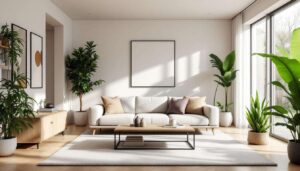
The minimalist movement that championed empty surfaces and bare walls has run its course according to leading designers. Homeowners increasingly find these spaces cold and uninviting rather than serene and sophisticated. The appeal of owning fewer possessions and maintaining spotless environments proved unsustainable for most families dealing with everyday life.
Design experts note several reasons for this shift:
- Minimalist spaces often lack personality and warmth
- Maintaining such strict aesthetics requires constant effort
- The trend ignored practical storage needs
- Emotional connections to meaningful objects were discouraged
What replaces minimalism
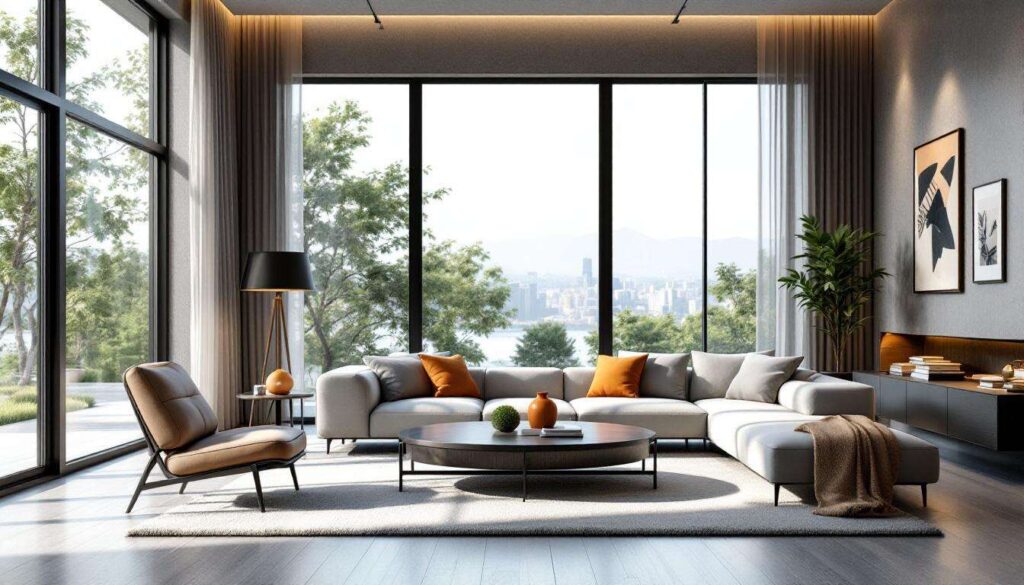
Instead of sparse interiors, designers now advocate for curated maximalism that celebrates personal collections and meaningful items. This approach allows homeowners to display cherished possessions while maintaining visual harmony through thoughtful arrangement and color coordination. The new direction emphasizes comfort and livability over aesthetic purity.
This evolution naturally leads to examining another material trend that designers believe has reached its conclusion.
The end of synthetic materials
The backlash against artificial finishes
Synthetic materials that once promised durability and affordability now face rejection from design-conscious homeowners. Laminate flooring, vinyl upholstery, and plastic fixtures that dominated budget-friendly renovations are increasingly viewed as environmentally problematic and aesthetically inferior. Consumers have become more educated about the long-term costs of these materials, both financially and ecologically.
| Synthetic Material | Natural Alternative | Key Advantage |
|---|---|---|
| Laminate flooring | Hardwood or cork | Longevity and refinishing options |
| Vinyl upholstery | Leather or natural fabrics | Breathability and aging character |
| Plastic fixtures | Metal or ceramic | Durability and timeless appeal |
The return to authentic materials
Designers now recommend investing in natural materials that develop character over time. Wood, stone, metal, and natural fibers offer tactile richness that synthetic alternatives cannot replicate. While initial costs may be higher, these materials typically last decades and can be refinished or repaired rather than replaced entirely.
Material choices directly impact how spaces function, particularly in areas where form and function intersect most dramatically.
Open kitchens lagging behind
The practical problems of open floor plans
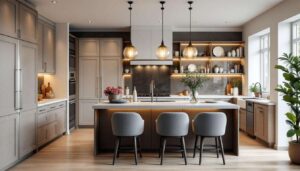
The open concept kitchen that merged cooking, dining, and living spaces into one continuous area has lost favor among design professionals. While initially praised for creating social connectivity and maximizing space, homeowners discovered significant drawbacks that outweighed the benefits.
Common complaints include:
- Cooking odors permeating entire living areas
- Kitchen noise disrupting conversations and entertainment
- Constant pressure to maintain spotless kitchen appearance
- Lack of privacy when preparing meals
- Difficulty controlling heating and cooling costs
The revival of defined spaces
Contemporary designs now incorporate semi-separated kitchens using strategic partitions, sliding doors, or thoughtful layouts that maintain connection while providing functional separation. These solutions allow cooks to work without feeling isolated while containing mess and odors within a defined space. Pocket doors and glass partitions offer flexibility, enabling homeowners to open or close spaces as needed.
Just as spatial arrangements are being reconsidered, surface treatments and patterns face similar reevaluation.
The extinction of large geometric patterns
When bold patterns overwhelm spaces
The trend toward oversized geometric patterns on walls, floors, and textiles has reached its saturation point. Designers report that clients increasingly express fatigue with visually aggressive patterns that dominate rooms and limit decorating flexibility. These bold designs often date spaces quickly and prove difficult to coordinate with furniture and accessories.
Subtler pattern approaches gain ground
Current recommendations favor smaller-scale patterns and organic motifs that add visual interest without overwhelming senses. Botanical prints, subtle textures, and delicate repeating patterns provide depth and character while maintaining versatility. This approach allows for easier updates to room aesthetics without requiring complete overhauls.
Pattern choices connect closely with color selections, another area experiencing significant transformation.
The appeal of pastel colors fades
Why soft hues no longer satisfy
The pastel palette that dominated interiors for several years now feels tired and uninspiring to design professionals. These muted tones often create spaces that lack energy and personality, particularly in homes with limited natural light. The ubiquity of blush pinks, powder blues, and mint greens has diminished their impact and freshness.
Richer color palettes emerge
Designers now advocate for saturated jewel tones and earthy neutrals that bring warmth and sophistication to interiors. Deep emeralds, rich terracottas, and warm ochres create inviting environments with greater visual depth. These colors work particularly well with natural materials and provide better contrast for artwork and furnishings.
Color transitions naturally extend to decorative elements, including heating features that serve both functional and aesthetic purposes.
Electric fireplaces lose their flame
The artificial ambiance problem
Electric fireplaces that promised hassle-free warmth and instant ambiance have fallen out of favor with discerning homeowners. The artificial flames and plastic construction fail to deliver the authentic experience of real fire. Design professionals note that these units often appear cheap and detract from room aesthetics rather than enhancing them.
Alternative heating and focal points
Contemporary designs favor architectural features that create visual interest without relying on imitation flames. Built-in shelving, statement artwork, or quality wood-burning stoves provide genuine focal points with lasting appeal. For those seeking warmth without traditional fireplaces, radiant heating systems and stylish radiators offer effective solutions that integrate seamlessly into modern interiors.
Design trends inevitably shift as cultural values and practical needs evolve. The movements away from minimalism, synthetic materials, open kitchens, large geometric patterns, pastel colors, and electric fireplaces reflect growing desires for authenticity, functionality, and personal expression in home environments. Homeowners benefit from understanding these transitions, allowing them to create spaces that feel current while avoiding investments in aesthetics already losing momentum. The most successful interiors balance timeless principles with carefully selected contemporary elements that reflect individual tastes rather than fleeting trends.