

Maintaining an organized home can transform daily routines and reduce stress levels significantly. Every room presents unique challenges when it comes to storage and functionality, but with strategic planning and smart solutions, any space can become more efficient and visually appealing. These practical organization tips address common clutter issues while maximizing the potential of each area in your home.
Organizing the entryway for optimal welcome
Creating designated drop zones
The entryway serves as the first line of defense against household clutter. Establishing specific zones for keys, mail, shoes, and outerwear prevents items from migrating throughout the home. A well-designed drop zone includes hooks at varying heights for family members, a small tray or bowl for pocket items, and a mail sorting system.
- Install wall-mounted hooks for bags, coats, and umbrellas
- Place a decorative bowl or tray near the door for keys and wallets
- Add a small bench with storage underneath for shoes
- Incorporate a mail organizer with sections for incoming, outgoing, and urgent items
Maximizing vertical space
When floor space is limited, vertical storage solutions become essential. Wall-mounted shelving units, pegboards, and tall cabinets utilize often-wasted wall space. A narrow console table with drawers provides surface area without consuming excessive floor space, while floating shelves above can hold decorative baskets containing seasonal accessories.
Beyond basic storage, the entryway organization system should accommodate seasonal changes. Rotating items based on weather conditions keeps the space functional year-round while maintaining a clean appearance that welcomes both residents and guests.
Maximizing space in the kitchen
Implementing drawer dividers and organizers
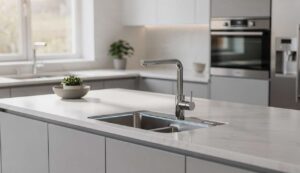
Kitchen drawers often become chaotic collections of utensils and gadgets. Customizable drawer dividers transform these spaces into efficient storage areas where every item has a designated spot. Investing in expandable organizers accommodates different drawer sizes and allows for adjustments as needs change.
| Kitchen Zone | Organization Solution | Benefit |
|---|---|---|
| Utensil drawer | Compartmentalized dividers | Quick access to frequently used tools |
| Spice cabinet | Tiered shelf risers | Visibility of all containers |
| Pantry shelves | Clear storage bins | Easy inventory monitoring |
| Under sink | Pull-out organizers | Maximized awkward space |
Utilizing cabinet door storage
The inside of cabinet doors represents valuable untapped real estate in most kitchens. Adhesive hooks can hold measuring cups and spoons, while mounted racks accommodate pot lids, cutting boards, or cleaning supplies. This approach keeps frequently used items accessible without cluttering countertops or shelves.
Establishing zones for meal preparation
Grouping items by function creates a more intuitive cooking experience. Store baking supplies together, keep coffee and tea items near the water source, and position cooking utensils near the stove. This zoning strategy reduces unnecessary movement during meal preparation and helps maintain organization over time.
These kitchen organization strategies not only improve functionality but also make cooking more enjoyable, naturally leading to better organization in adjacent living spaces where families gather.
Arranging a functional and pleasant living room
Managing media and technology clutter
Entertainment systems generate significant cable clutter and equipment sprawl. Cable management solutions like cord covers, zip ties, and cable boxes conceal unsightly wires while maintaining accessibility for adjustments. Media consoles with closed storage hide gaming systems, remotes, and accessories when not in use.
- Label all cables at both ends for easy identification
- Use velcro ties instead of twist ties for flexibility
- Install a charging station in a drawer or cabinet
- Store remote controls in a decorative tray on the coffee table
Incorporating multifunctional furniture
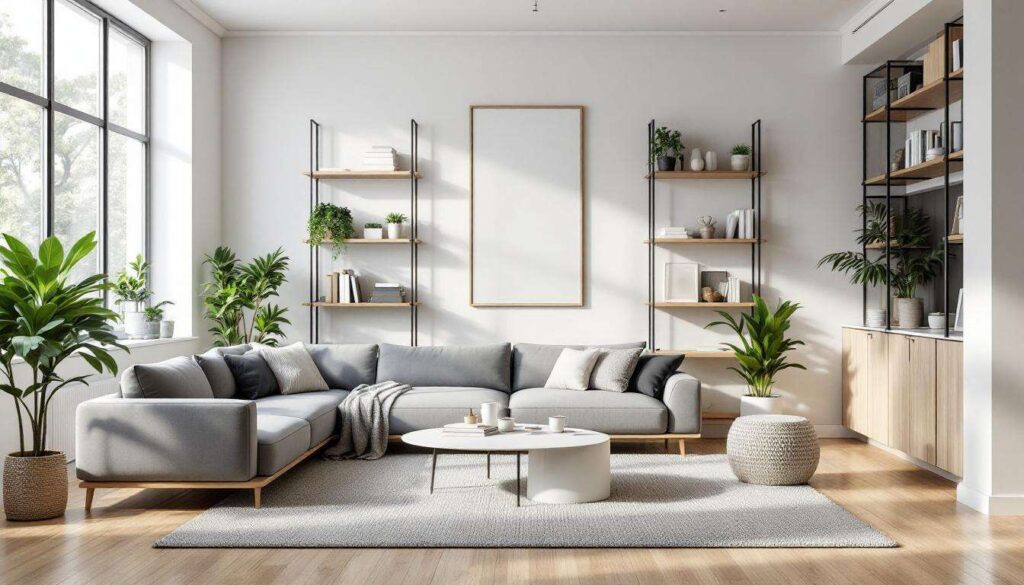
Furniture that serves multiple purposes maximizes living room functionality without sacrificing style. Ottoman storage units provide seating, footrests, and hidden storage for blankets or magazines. Coffee tables with shelves or drawers offer display space while concealing everyday items. Nesting tables can be separated when needed and tucked away to save space.
Creating reading and hobby nooks
Designating specific areas for activities prevents supplies from spreading throughout the room. A dedicated reading corner with a small bookshelf and basket for current reads keeps literature organized. Hobby supplies stored in attractive containers on shelving units remain accessible yet tidy.
With the living room organized and functional, attention naturally shifts to the private spaces where rest and rejuvenation occur.
Optimizing bedroom storage
Maximizing closet efficiency
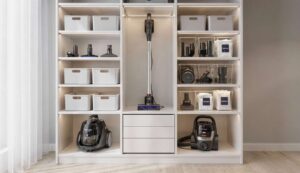
Closet organization begins with honest assessment of clothing inventory. Remove items that no longer fit or suit current lifestyle needs. Uniform hangers create visual cohesion and maximize hanging space. Shelf dividers prevent folded stacks from toppling, while hanging organizers utilize vertical space for shoes, accessories, or folded items.
Utilizing under-bed storage
The space beneath the bed offers substantial storage potential often left unused. Rolling storage containers designed for this purpose accommodate seasonal clothing, extra linens, or rarely used items. For beds without built-in storage, bed risers create additional clearance for larger containers.
- Store off-season clothing in vacuum-sealed bags
- Keep extra bedding sets in labeled containers
- Use shallow bins for shoes or accessories
- Ensure containers have wheels for easy access
Organizing nightstand essentials
Nightstands should contain only essential bedtime items to maintain a calming atmosphere. A small tray corrals items like glasses, phone, and hand cream. The drawer can accommodate books, journals, or medications, while a lower shelf holds additional reading material.
Bedroom organization directly influences sleep quality and morning routines, making these efforts particularly valuable as daily rituals extend into adjacent bathroom spaces.
Creating a harmonious and practical bathroom
Organizing under-sink cabinets
Bathroom cabinets beneath sinks present challenges due to plumbing fixtures. Stackable bins and tiered organizers work around pipes while maximizing vertical space. Grouping products by category—hair care, skincare, cleaning supplies—simplifies retrieval and inventory management.
Implementing drawer organization systems
Bathroom drawers quickly become jumbled collections of small items. Expandable drawer organizers with multiple compartments separate makeup, dental care items, and grooming tools. Clear dividers allow visual inventory checks, reducing duplicate purchases.
| Storage Area | Best Practice |
|---|---|
| Medicine cabinet | Use small bins to group similar items; check expiration dates quarterly |
| Shower caddy | Limit to daily-use products only; store backups elsewhere |
| Linen closet | Fold towels uniformly; store sheet sets inside pillowcases |
Managing towel and linen storage
Towels consume significant storage space but require accessibility. Rolling towels instead of folding creates space-efficient storage in baskets or on shelves. Storing complete sheet sets inside one of their pillowcases keeps sets together and simplifies bed-making.
Bathroom organization supports daily hygiene routines and contributes to overall household efficiency, complementing the productivity-focused organization needed in home office spaces.
Uncluttering the office with effective solutions
Establishing paper management systems
Paper accumulation remains a primary source of office clutter. Implementing a filing system with clear categories prevents document buildup. Action folders for items requiring immediate attention, reference files for important documents, and archive boxes for tax records create a comprehensive paper management strategy.
- Sort incoming mail immediately over a recycling bin
- Scan important documents and store digitally when possible
- Create a filing system with broad categories that make sense for your needs
- Schedule quarterly purging sessions to remove outdated materials
Organizing desk surfaces and supplies
A clutter-free desk surface promotes focus and productivity. Desk organizers with compartments contain pens, paper clips, and sticky notes. Vertical file holders manage active projects without consuming horizontal space. Cable management clips secure charging cables and prevent them from sliding off the desk.
Optimizing digital organization
Physical organization should extend to digital spaces. Creating logical folder structures on computers mirrors physical filing systems. Regular desktop cleanup, email inbox management, and cloud storage organization prevent digital clutter from impacting productivity. Automated backup systems protect important files while maintaining organization.
An organized home office supports professional activities and personal projects alike, creating an environment where productivity flourishes. These targeted strategies for each room combine to transform entire homes into well-organized, functional spaces that support daily life while reducing stress and saving time. Implementing even a few of these tips in each room creates noticeable improvements in household efficiency and overall quality of life.