

Design trends shift constantly, and color preferences evolve with them. What once felt fresh and innovative can quickly become a visual cliche that designers actively avoid. As the industry moves forward, certain hues have fallen out of favor with professionals who understand the importance of staying ahead of aesthetic curves. These colors, once celebrated for their boldness or versatility, now signal dated design choices that can undermine a project’s credibility. Understanding which shades to retire helps maintain contemporary relevance and ensures visual communication remains effective and engaging.
Neon colors: why they are losing their shine
The oversaturation problem
Neon colors dominated digital design for several years, particularly in user interface elements and branding materials. However, their aggressive presence has created visual fatigue among audiences. These electric shades demand attention in ways that feel exhausting rather than energizing. Designers now recognize that subtlety often communicates more effectively than screaming for attention through color alone.
The physiological impact of neon hues cannot be ignored. Extended exposure to these intense colors can cause:
- Eye strain and visual discomfort
- Difficulty focusing on content
- Reduced readability of text elements
- Headaches in sensitive individuals
The accessibility concerns
Beyond aesthetic considerations, neon colors present serious accessibility challenges. They often fail contrast ratio requirements established by WCAG guidelines, making content difficult to read for users with visual impairments. The design community has become increasingly aware that inclusive design requires thoughtful color choices that serve all users, not just those seeking visual novelty. This shift toward accessible color palettes has naturally pushed neon shades to the sidelines.
| Neon Color | Contrast Issues | Accessibility Rating |
|---|---|---|
| Neon Green | Poor text readability | 2.1/10 |
| Electric Pink | Insufficient background contrast | 2.5/10 |
| Neon Yellow | Visibility problems | 3.0/10 |
As designers prioritize user experience and visual comfort, the conversation naturally extends to other problematic color choices that have overstayed their welcome.
The unwanted comeback of burnt orange
Retro associations gone wrong
Burnt orange experienced a resurgence as part of the broader retro design movement, particularly drawing from 1970s aesthetics. While nostalgia can be powerful, this particular shade has become synonymous with dated interiors and outdated branding. The color carries heavy cultural baggage that makes it difficult to use without evoking unwanted associations with harvest-themed decorations and vintage kitchen appliances.
Limited versatility in modern palettes
Professional designers struggle to integrate burnt orange into contemporary color schemes without compromising the overall aesthetic. The shade’s warmth and earthiness clash with the cooler, more sophisticated tones that dominate current design trends. When paired with modern neutrals like concrete gray or soft white, burnt orange creates jarring contrasts that feel unintentional rather than deliberate.
The challenges of working with burnt orange include:
- Difficulty pairing with contemporary accent colors
- Tendency to overwhelm minimalist compositions
- Association with seasonal rather than timeless design
- Limited appeal across diverse demographic groups
This struggle with versatility extends to other colors that once enjoyed widespread popularity but now feel restrictive rather than liberating.
Chocolate brown, a tired classic
From sophisticated to stagnant
Chocolate brown once represented elegance and stability in design applications ranging from corporate branding to interior spaces. However, overuse has stripped the color of its sophisticated connotations. What was once considered a safe, professional choice now reads as uninspired and risk-averse. Designers seeking to convey contemporary professionalism have moved toward richer, more complex neutrals that offer depth without the staleness.
The weight problem
Beyond its overexposure, chocolate brown carries a visual heaviness that conflicts with modern design preferences for lightness and airiness. This shade absorbs light rather than reflecting it, creating spaces and designs that feel closed-in and oppressive. Contemporary aesthetics favor colors that enhance natural light and create a sense of openness, qualities that chocolate brown actively works against.
| Design Context | Chocolate Brown Impact | Preferred Alternative |
|---|---|---|
| Corporate branding | Feels outdated | Charcoal with warm undertones |
| Interior design | Creates heaviness | Warm taupe or greige |
| Digital interfaces | Reduces brightness | Soft mushroom tones |
While some colors feel too heavy, others present the opposite problem by appearing too delicate for contemporary sensibilities.
Pastels: an outdated trend ?
The oversaturation in digital spaces
Pastel colors flooded digital design over the past several years, particularly in social media graphics and lifestyle branding. This saturation has created a sense of sameness across platforms, with countless brands adopting virtually identical soft pink, baby blue, and mint green palettes. The result is a loss of distinctiveness that makes it nearly impossible for new projects to stand out when using these once-charming hues. Designers now recognize that differentiation requires bolder color choices that break from the pastel monotony.
Lack of visual impact
Beyond oversaturation, pastels struggle to create the strong visual hierarchy that effective design requires. Their gentle nature makes them poor choices for elements that need to command attention or guide user behavior. In an environment where capturing and maintaining attention is increasingly challenging, colors that whisper rather than speak clearly become liabilities rather than assets.
The limitations of pastel palettes include:
- Insufficient contrast for important call-to-action elements
- Difficulty establishing clear visual priorities
- Tendency to appear washed out in various lighting conditions
- Association with specific demographics that limits broader appeal
While pastels struggle with impact, other colors face criticism for their complete absence of personality.
Farewell to dull grays
The minimalism fatigue
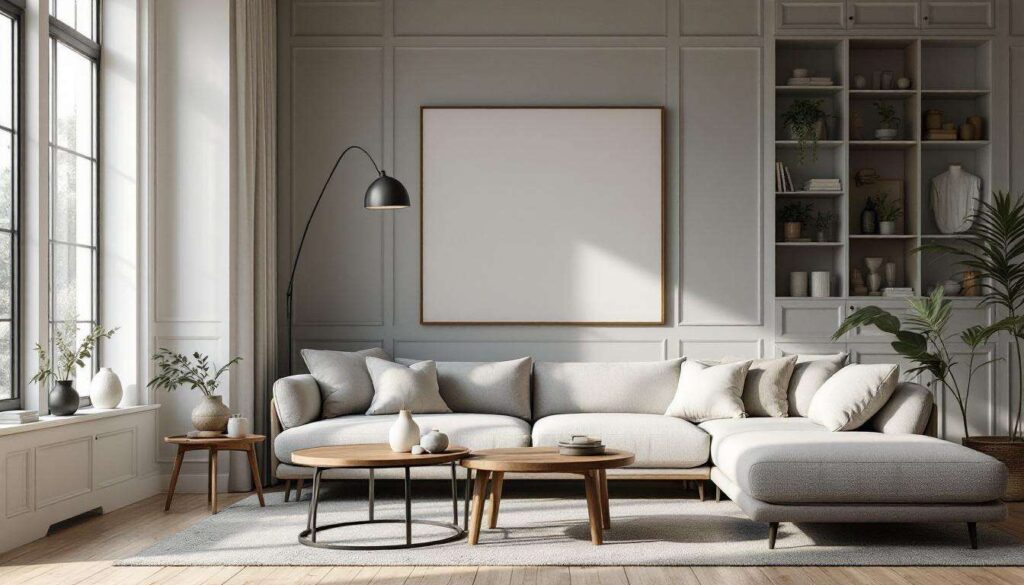
Dull, lifeless grays became the default choice during the height of minimalist design trends, appearing in everything from tech products to urban architecture. However, this ubiquity has created environments that feel sterile and unwelcoming. Designers and audiences alike are experiencing fatigue with spaces and products that prioritize aesthetic restraint over warmth and human connection. The pendulum is swinging toward colors that acknowledge emotion and personality rather than suppressing them.
The warmth deficit
Flat, cool grays lack the subtle warmth that makes spaces feel inhabitable and designs feel approachable. As understanding of color psychology deepens, professionals recognize that completely neutral tones can create psychological distance between users and products or spaces. The shift is toward grays with warm or cool undertones that maintain sophistication while offering a more inviting presence.
| Gray Type | Perceived Quality | Designer Preference |
|---|---|---|
| Flat cool gray | Sterile, uninviting | Declining |
| Warm greige | Sophisticated, welcoming | Rising |
| Blue-gray | Calming, refined | Stable |
Color trends reflect broader shifts in how we understand visual communication and user experience. The colors falling out of favor share common characteristics: they either demand too much attention, carry outdated associations, or fail to create the emotional connections that effective design requires. Moving forward means embracing palettes that balance visual interest with accessibility, distinctiveness with versatility, and contemporary aesthetics with timeless appeal. Designers who recognize these shifts position themselves to create work that feels current rather than dated, ensuring their projects maintain relevance in an ever-evolving visual landscape.