



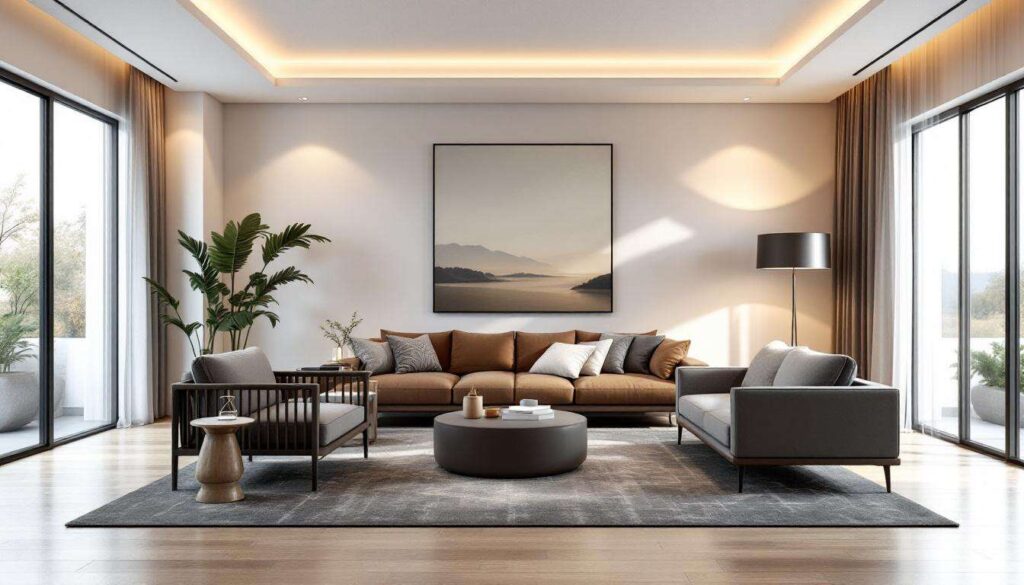
Interior designers are urging homeowners to take a fresh look at certain spaces that have quietly fallen into outdated patterns or lost their original purpose. As lifestyles evolve and priorities shift, some rooms in our homes require thoughtful reconsideration to better serve our daily needs and enhance overall comfort. Rather than focusing solely on aesthetic updates, the emphasis lies in functional transformation and creating environments that genuinely support how we live today. From underutilized formal spaces to overlooked work areas, these five rooms deserve attention and intentional redesign to maximize their potential and improve quality of life throughout the home.
Formal dining rooms to reconsider as a priority
Breaking away from traditional formality
The formal dining room has long occupied a peculiar position in many homes, reserved exclusively for special occasions while remaining largely empty throughout the year. Designers emphasize that this space deserves a complete reset to become more integrated into everyday life. The key lies in abandoning rigid formality in favor of a more relaxed and inviting atmosphere that encourages regular use rather than occasional appearances during holidays.
Creating flexible and intimate settings
To transform a formal dining room into a space that feels welcoming year-round, consider these essential changes:
- Replace oversized tables with smaller, more intimate options that suit daily meals
- Mix and match interesting chair styles rather than maintaining matching sets
- Install soft, ambient lighting such as wall sconces instead of harsh overhead fixtures
- Incorporate warm color temperatures around 2700K for a cozy atmosphere
- Add flexible furniture pieces that allow the room to serve multiple purposes
This approach transforms the dining room from a museum-like space into a functional area that adapts to various activities, from casual family dinners to homework sessions or even remote work when needed. The emphasis on softer lighting and comfortable seating creates an environment where people actually want to spend time, rather than feeling obligated to maintain uncomfortable formality.
With the dining room reimagined as a versatile and welcoming space, attention naturally turns to another room that has undergone significant changes in how we use it daily.
Reevaluating your home office
Adapting to evolving work patterns
The home office has experienced dramatic shifts in importance and function over recent years. What may have started as a hastily assembled workspace now requires serious reconsideration to support long-term productivity and well-being. Designers stress that this room should not simply exist as an afterthought but should be thoughtfully integrated into the overall flow of the home while maintaining its distinct purpose.
Prioritizing ergonomics and organization
A successful home office reset addresses several critical elements:
- Ergonomic furniture that supports proper posture during extended work sessions
- Strategic storage solutions that keep supplies accessible yet organized
- Intentional placement within the home to balance accessibility and separation
- Adequate lighting that reduces eye strain and enhances focus
- Technology integration that supports seamless connectivity
| Office Element | Priority Level | Impact on Productivity |
|---|---|---|
| Ergonomic chair | High | Reduces physical discomfort by 60% |
| Proper lighting | High | Decreases eye strain by 45% |
| Organized storage | Medium | Improves efficiency by 30% |
| Aesthetic appeal | Medium | Enhances motivation by 25% |
The goal is creating a workspace that feels intentional and integrated rather than cobbled together from whatever was available. This means investing in quality furniture and equipment that genuinely support the work being done, while ensuring the office doesn’t feel isolated from the rest of the living environment.
Beyond work-related spaces, designers also highlight rooms dedicated to hospitality that often fail to live up to their welcoming intentions.
Truly welcoming guest rooms
Moving beyond storage spaces
Guest rooms frequently become catch-all storage areas that barely function when visitors actually arrive. Designers advocate for a complete mindset shift that treats this space with the same care and attention given to primary living areas. A genuine guest room should offer comfort and thoughtfulness that makes visitors feel valued rather than accommodated as an afterthought.
Essential elements of hospitality
Transforming a guest room into a truly welcoming space requires attention to practical details:
- Quality bedding with appropriate pillows for different sleep preferences
- Clear surfaces and empty drawers for guests to unpack belongings
- Adequate lighting including reading lamps and ambient options
- Privacy features such as blackout curtains or window treatments
- Small amenities like water carafes, tissues, and charging stations
- Neutral decor that appeals to various tastes without feeling impersonal
The key lies in regularly evaluating the space from a guest’s perspective. Spending a night in your own guest room can reveal overlooked discomforts or missing conveniences that would significantly improve the experience. This room should function as a retreat within your home, offering the same level of comfort you would expect from a quality hotel stay.
While guest rooms focus on occasional hospitality, another frequently overlooked space handles essential daily tasks that deserve equal attention.
Functional laundry spaces
Elevating utilitarian areas
Laundry rooms often receive minimal design consideration despite their regular use and importance in household routines. Designers encourage homeowners to recognize these spaces as worthy of thoughtful planning and aesthetic attention. A well-designed laundry area can transform a dreaded chore into a more pleasant and efficient experience.
Combining efficiency with comfort
Creating a functional laundry space involves both practical improvements and aesthetic enhancements:
- Adequate counter space for folding and sorting clothes
- Organized storage for detergents, stain removers, and supplies
- Proper ventilation to prevent moisture and odor buildup
- Comfortable flooring that withstands water exposure
- Pleasant lighting that makes tasks easier and more enjoyable
- Decorative elements that create a more inviting atmosphere
Even small laundry areas can benefit from strategic organization systems and visual improvements. The goal is creating a space that supports efficiency while feeling less like a neglected utility closet and more like an integrated part of the home. Simple additions like attractive storage containers, artwork, or a fresh coat of paint can significantly improve both function and mood.
After addressing work, hospitality, and utility spaces, the most personal room in the home requires equally careful attention to support overall well-being.
Primary bedrooms focused on rest and well-being
Reclaiming the bedroom’s primary purpose
Primary bedrooms have gradually accumulated multiple functions that often interfere with their fundamental purpose: providing restful sleep and relaxation. Designers emphasize returning this space to its core function by removing distractions and creating an environment specifically designed to promote rest and rejuvenation. This means reconsidering everything from technology presence to color schemes and furniture arrangements.
Building a restorative environment
A bedroom reset should address these critical elements:
- Quality mattresses and bedding that support comfortable sleep
- Soothing color palettes that promote relaxation rather than stimulation
- Minimal technology to reduce sleep disruption and mental stimulation
- Appropriate window treatments for light control and privacy
- Comfortable temperature regulation through bedding and climate control
- Clutter-free surfaces that contribute to mental calm
The bedroom should function as a personal sanctuary where stress diminishes and rest becomes the priority. This might mean relocating work materials, exercise equipment, or entertainment devices to other areas of the home. Creating clear boundaries around the bedroom’s purpose helps establish healthier sleep patterns and improves overall well-being by providing a dedicated space for recovery and rest.
These five rooms represent significant opportunities for meaningful improvement in how homes function and support daily life. By moving beyond superficial updates to address fundamental purpose and usability, homeowners can create spaces that genuinely enhance comfort, productivity, and well-being. The emphasis on intentional design and thoughtful reconsideration transforms overlooked or underutilized areas into valuable assets that contribute to a more balanced and satisfying home environment. Whether tackling one room or all five, the focus remains on creating spaces that truly serve the people who live in them.