

Kitchen design trends come and go, but some spaces manage to maintain their appeal decade after decade. The secret lies not in following fleeting fads, but in understanding the fundamental principles that make a kitchen both beautiful and practical. Designers who master these core elements create spaces that feel fresh and inviting while avoiding the pitfalls of dated aesthetics. From lighting choices to material selection, every decision contributes to a kitchen that stands the test of time without sacrificing contemporary comfort or functionality.
Light and airy: the key to timeless lighting
Layered lighting creates depth and flexibility
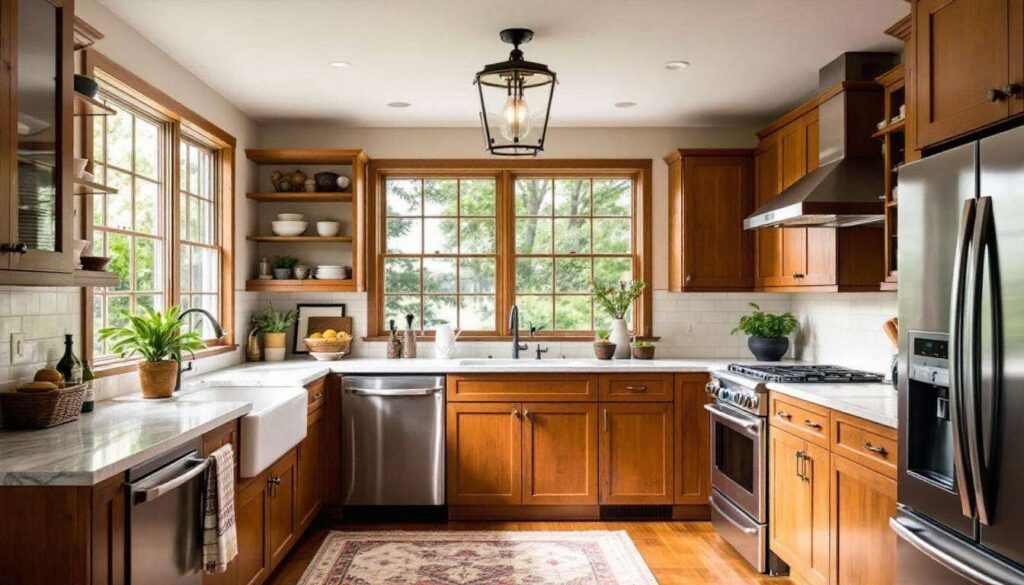
The most enduring kitchen designs incorporate multiple lighting sources that work together to create a welcoming atmosphere. Rather than relying on a single overhead fixture, timeless kitchens feature a combination of ambient, task, and accent lighting. This approach ensures that every corner of the space serves its purpose while maintaining visual interest throughout the day and evening hours.
- Recessed ceiling lights provide general illumination without dominating the visual field
- Under-cabinet fixtures illuminate work surfaces for food preparation
- Pendant lights over islands or dining areas add decorative elements while serving functional needs
- Natural light from strategically placed windows reduces dependence on artificial sources
Window treatments that maximize natural light
Designers who prioritize natural illumination understand that sunlight transforms a kitchen from merely functional to genuinely inviting. Large windows, skylights, or glass doors bring the outdoors inside while making spaces feel more expansive. When privacy concerns arise, simple roller shades or cafe curtains offer solutions without blocking precious daylight. The key is maintaining an unobstructed connection to natural light sources, which has been proven to enhance mood and make spaces feel more open and comfortable.
Beyond individual fixtures, the thoughtful placement of reflective surfaces amplifies available light. Materials like polished stone countertops, glass backsplashes, and glossy cabinet finishes bounce light throughout the room, creating a brighter environment without additional electrical fixtures. This understanding of how materials interact with light separates truly timeless designs from those that merely follow temporary trends.
The elegance of natural materials
Wood elements that age gracefully
Natural wood brings warmth and character that synthetic alternatives simply cannot replicate. Whether used for cabinetry, flooring, or exposed beams, wood develops a rich patina over time that enhances rather than diminishes its appeal. Timeless kitchens often feature hardwood species like oak, maple, or walnut in finishes that highlight the material’s inherent beauty rather than concealing it beneath heavy stains or paints.
| Material | Durability Rating | Maintenance Level | Timeless Appeal |
|---|---|---|---|
| Solid hardwood | High | Moderate | Excellent |
| Natural stone | Very high | Low to moderate | Excellent |
| Ceramic tile | High | Low | Very good |
| Stainless steel | Very high | Moderate | Good |
Stone countertops that withstand decades
Granite, marble, and quartzite have graced kitchen surfaces for generations because they combine practical durability with aesthetic sophistication. These materials resist heat, scratches, and stains when properly sealed, making them ideal for high-traffic cooking areas. More importantly, their natural variations ensure that no two installations look identical, providing uniqueness that manufactured materials struggle to achieve. The subtle veining and color variations in natural stone add visual interest without overwhelming the overall design scheme.
Authentic metal fixtures and hardware
Quality metal finishes in fixtures, hardware, and appliances contribute significantly to a kitchen’s longevity. Brushed nickel, oil-rubbed bronze, and polished chrome maintain their appearance through daily use, while cheaper plated alternatives often show wear within a few years. Timeless kitchens feature solid brass or stainless steel hardware with substantial weight and construction, signaling quality that homeowners can feel every time they open a drawer or cabinet door.
The investment in genuine materials pays dividends not just in appearance but in actual performance. Natural materials develop character through use, while synthetic alternatives simply deteriorate. This fundamental difference explains why kitchens featuring authentic wood, stone, and metal continue to feel relevant while those built with imitation products quickly appear outdated.
Calming neutral color palettes
The enduring appeal of white and cream
White kitchens dominate timeless design not because of trend cycles, but because light neutral tones create a sense of cleanliness and spaciousness that never feels wrong. Cream, ivory, and soft white variations provide warmth without the starkness of pure white, making spaces feel inviting rather than clinical. These colors serve as perfect backdrops for the natural materials and personal touches that give each kitchen its unique character.
Strategic use of accent colors
While neutrals form the foundation, carefully chosen accent colors prevent spaces from feeling sterile or bland. Timeless kitchens incorporate color through elements that can be easily updated: bar stools, window treatments, small appliances, or decorative accessories. This approach allows homeowners to refresh their space without undertaking major renovations, keeping the kitchen feeling current without compromising its fundamental design integrity.
- Navy blue islands provide contrast against white cabinetry
- Sage green accents bring natural warmth without overwhelming the space
- Warm gray tones offer sophistication while maintaining neutrality
- Black elements add definition and prevent washed-out appearances
Avoiding trendy color combinations
The kitchens that age poorly often feature color schemes tied to specific eras: avocado and harvest gold from the 1970s, or the bold primary colors popular in the 1980s. Timeless designs avoid these pitfalls by sticking with colors that have proven their staying power across multiple generations. When bold colors do appear, they’re used sparingly and in ways that complement rather than dominate the overall aesthetic.
Understanding color psychology also plays a role in creating lasting appeal. Neutral palettes reduce visual fatigue and create calm environments where families naturally want to gather. This emotional response to color explains why certain kitchens continue to feel welcoming years after installation, while others quickly become tiring to inhabit.
The art of functional layout
The work triangle principle
Successful kitchen layouts position the refrigerator, sink, and cooking surface in a triangular configuration that minimizes unnecessary movement during meal preparation. This principle, developed decades ago, remains relevant because it addresses fundamental human ergonomics rather than stylistic preferences. The ideal work triangle keeps these three stations within four to nine feet of each other, creating efficiency without cramping the space.
Adequate counter space and storage
Timeless kitchens provide generous work surfaces on either side of the sink and stove, allowing multiple cooks to work simultaneously without conflict. Storage solutions include deep drawers for pots and pans, pull-out shelves for easy access to back corners, and dedicated spaces for small appliances that might otherwise clutter countertops. These practical considerations ensure the kitchen functions smoothly regardless of changing cooking trends or family needs.
| Layout Element | Minimum Dimension | Optimal Dimension |
|---|---|---|
| Counter space beside sink | 18 inches | 24 inches |
| Counter space beside stove | 12 inches | 18 inches |
| Walkway width | 36 inches | 42 inches |
| Work aisle width | 42 inches | 48 inches |
Traffic flow considerations
The best kitchen designs account for how people move through the space, ensuring that traffic patterns don’t interfere with cooking activities. This means avoiding layouts that force family members to walk through the work triangle to reach other areas of the home. Islands and peninsulas should include adequate clearance on all sides, typically at least 42 inches, to prevent bottlenecks during busy meal preparation times.
These layout principles endure because they address universal human needs rather than temporary aesthetic preferences. A kitchen that functions efficiently remains relevant regardless of changing design trends, making thoughtful space planning one of the most important investments in long-term satisfaction.
Finishing touches: accessories and finishes
Classic cabinet door styles
Shaker-style cabinets with their simple recessed panels and clean lines have remained popular for over a century because they balance visual interest with restraint. Flat-panel contemporary doors offer similar longevity by avoiding ornate details that tie them to specific design movements. Both styles provide enough character to feel intentional while remaining neutral enough to accommodate changing tastes in hardware, countertops, and backsplashes.
Timeless backsplash choices
Subway tile continues to dominate timeless kitchen design because its rectangular format and simple installation pattern create visual interest without demanding attention. White or cream subway tiles with gray grout provide subtle definition, while natural stone tiles in neutral tones offer texture and depth. The key is selecting materials and patterns that complement rather than compete with other design elements in the space.
- Classic 3-by-6-inch subway tiles in brick pattern
- Natural stone tiles in neutral earth tones
- Simple ceramic tiles with minimal pattern variation
- Solid slab backsplashes that match countertop materials
Hardware that enhances without overwhelming
Cabinet hardware should feel substantial in the hand while maintaining visual simplicity. Simple bar pulls and cup handles in brushed finishes work with virtually any cabinet style, providing functionality without becoming focal points. Timeless kitchens avoid overly decorative hardware that dates the space or hardware so minimal it becomes difficult to use comfortably.
Appliance integration strategies
Professional-grade stainless steel appliances maintain their appeal because they signal quality and performance rather than following design trends. Alternatively, panel-ready appliances that accept custom cabinetry fronts create seamless integration that never looks dated. Both approaches work because they either embrace appliances as functional tools or conceal them entirely, avoiding the middle ground where appliance styling becomes a dated design statement.
Kitchen design excellence emerges from understanding that true timelessness comes from respecting fundamental principles of light, material quality, color restraint, functional planning, and thoughtful detail work. These elements work together to create spaces that feel both current and enduring, avoiding the dated appearance that plagues kitchens built around temporary trends. By focusing on these core principles, homeowners and designers create kitchens that serve families beautifully for decades, adapting to changing needs without requiring complete renovations. The most successful kitchens balance aesthetic appeal with practical function, ensuring that beauty and usability reinforce rather than compromise each other throughout the life of the space.