



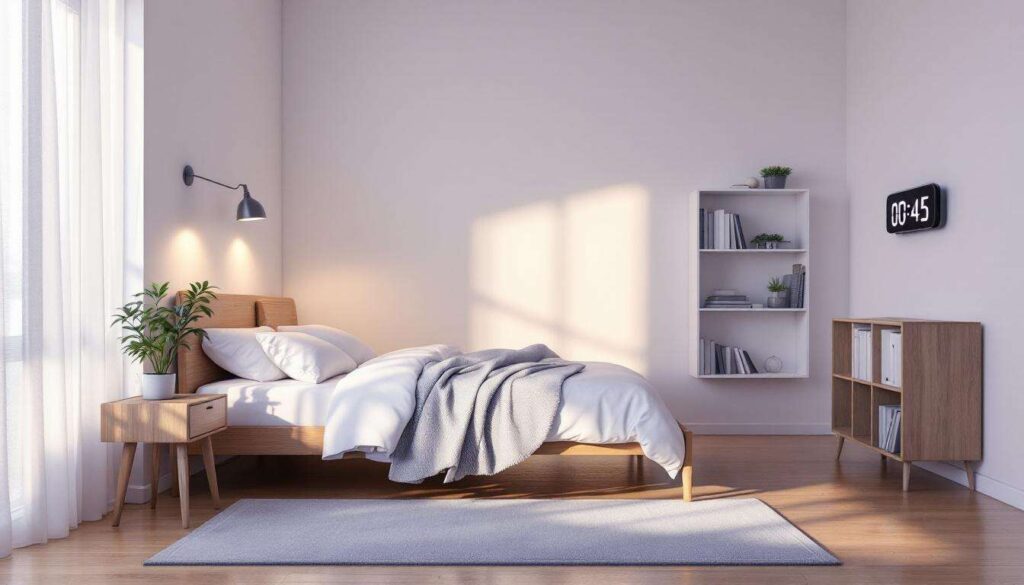
Walking into a bedroom that radiates calm and order isn’t the result of luck or endless hours of cleaning. People who maintain consistently tidy bedrooms share specific habits and possessions that make organization effortless. These individuals understand that a serene sleeping environment directly impacts sleep quality, mental clarity, and overall well-being. By examining what these organized individuals always keep in their bedrooms, anyone can transform their own space into a peaceful retreat.
A place for each item
Designated storage solutions for every category
People with perpetually tidy bedrooms never leave items without a home. They invest in specific storage solutions that accommodate every possession, from jewelry to seasonal clothing. Drawer dividers separate undergarments, socks, and accessories into distinct compartments, eliminating the common problem of rummaging through tangled piles. Nightstand organizers contain reading glasses, hand cream, and charging cables in clearly defined sections.
These organized individuals also utilize vertical space effectively. Wall-mounted hooks hold bags, robes, and frequently worn jackets, while floating shelves display books and decorative items without cluttering horizontal surfaces. Under-bed storage containers house out-of-season clothing or extra linens, maximizing space that would otherwise remain unused.
Labeling systems that maintain order
Many tidy bedroom owners implement simple labeling systems that ensure items return to their proper locations. Clear bins with printed labels identify contents at a glance, making it easier for household members to maintain organization. This systematic approach includes:
- Labeled drawer dividers for different clothing categories
- Tagged storage boxes for accessories, electronics, and personal items
- Color-coded hangers for different garment types
- Shelf labels for books, magazines, and decorative objects
This organizational foundation creates a framework where maintaining tidiness becomes second nature rather than a constant struggle. With these systems in place, the transition to other visible aspects of bedroom organization becomes natural.
The bed always made
The psychological impact of a made bed
The single most visible indicator of a tidy bedroom is a properly made bed. People who maintain organized spaces make their beds within minutes of waking, understanding that this simple act sets a productive tone for the entire day. Research supports this habit, showing that individuals who make their beds report higher levels of productivity and life satisfaction.
A made bed instantly transforms a bedroom’s appearance, creating the impression of order even when other areas need attention. This visual anchor provides psychological momentum that encourages maintaining cleanliness throughout the space.
Simplified bedding for easier maintenance
Organized individuals often choose bedding that simplifies the bed-making process. They avoid excessive decorative pillows that require daily removal and replacement, opting instead for functional pillows and a streamlined duvet or comforter. Many prefer duvet covers that can be quickly straightened rather than complex layering systems involving top sheets, blankets, and bedspreads.
Beyond the visible surface of the bed, attention to what lies beneath and around it matters equally for maintaining overall bedroom organization.
Optimized storage and cable discretion
Hidden cable management systems
Tidy bedroom owners recognize that visible cables create visual clutter that disrupts the room’s peaceful atmosphere. They implement cable management solutions that keep charging cords, lamp wires, and electronic connections hidden from view. Cable clips attach to furniture backs, routing wires along edges rather than allowing them to drape across surfaces or pool on floors.
Behind nightstands and desks, these individuals use cable sleeves or raceways that bundle multiple cords together, creating a single clean line instead of a tangled mess. Power strips hide inside drawers or mount underneath furniture, with only necessary cables emerging at specific points.
Strategic furniture placement for functionality
Furniture arrangement in organized bedrooms prioritizes both aesthetics and practical storage needs. Nightstands with drawers keep essentials within reach but out of sight, while dressers position near closets to streamline the process of putting away clean laundry. The following storage optimization strategies appear consistently:
- Bedside tables with built-in charging stations
- Ottoman storage benches at the foot of beds
- Slim console tables behind doors for rarely used items
- Wall-mounted reading lights that eliminate bedside lamp cords
These practical considerations extend beyond storage to encompass the room’s overall ambiance and atmosphere.
The importance of natural light
Window treatments that balance light and privacy
People with consistently tidy bedrooms understand that natural light enhances the perception of cleanliness and spaciousness. They choose window treatments that maximize daylight during waking hours while providing complete darkness for sleep. Layered curtain systems combine sheer panels for daytime privacy with blackout curtains for nighttime, offering flexibility throughout the day.
Clean windows and dust-free sills remain priorities, as natural light reveals dirt and clutter that might hide in dimmer conditions. This awareness motivates regular maintenance and prevents accumulation of items on windowsills.
Mirrors that amplify brightness
Strategic mirror placement doubles available natural light by reflecting it throughout the room. Full-length mirrors positioned opposite or adjacent to windows brighten dark corners while serving functional purposes. These reflective surfaces also create the illusion of expanded space, making even small bedrooms feel more open and less cluttered.
The way light interacts with a room’s visual elements directly influences how decoration choices contribute to or detract from tidiness.
Conscious decoration choices
Minimalist approach to surface displays
Organized bedroom owners practice intentional decoration rather than allowing surfaces to become catchalls for random objects. Nightstands typically hold only essential items: a lamp, perhaps one book, and a small decorative object. Dressers remain largely clear except for a few carefully chosen pieces that bring joy without creating visual noise.
This selective approach extends to wall decorations, where a few meaningful pieces replace gallery walls that can feel busy and overwhelming. The result is a curated environment that feels personal without appearing cluttered.
Quality over quantity in decorative items
Rather than filling every available space with decorative objects, tidy bedroom owners invest in fewer, higher-quality pieces that make deliberate statements. A single striking piece of artwork carries more visual impact than multiple smaller prints. One substantial plant provides natural beauty without the maintenance demands of numerous small specimens.
While physical decorations remain minimal, another form of clutter increasingly threatens bedroom tranquility in modern homes.
Reduction of digital distractions
Designated charging stations outside the bedroom
People who maintain the tidiest bedrooms often establish phone-free sleeping environments by charging devices in other rooms overnight. This practice eliminates the temptation to scroll before sleep or immediately upon waking, while also removing the visual clutter of devices and their associated cables from nightstands.
For those who require phones for morning alarms, dedicated charging docks keep devices contained in specific locations rather than scattered across surfaces. Some organized individuals use traditional alarm clocks instead, completely removing smartphones from their sleeping spaces.
Limited electronics for better sleep hygiene
Tidy bedrooms typically contain minimal electronic devices beyond essential lighting. Televisions, gaming systems, and computers remain in other rooms, preserving the bedroom as a sanctuary dedicated to rest and relaxation. This intentional limitation serves dual purposes:
- Reducing physical clutter from devices and accessories
- Improving sleep quality by eliminating screen exposure before bed
- Minimizing cable management challenges
- Creating psychological separation between work and rest spaces
This digital minimalism represents perhaps the most modern challenge in maintaining bedroom organization, yet those who master it report the most significant improvements in both tidiness and sleep quality.
Maintaining a consistently tidy bedroom requires more than occasional cleaning sessions. The individuals who succeed in keeping their sleeping spaces perpetually organized share common possessions and habits: designated storage for every item, daily bed-making routines, hidden cable management, maximized natural light, intentional decoration, and limited digital devices. These elements work together to create environments that remain naturally orderly with minimal effort. By adopting even a few of these strategies, anyone can transform their bedroom into a peaceful, organized retreat that promotes better rest and mental clarity.