



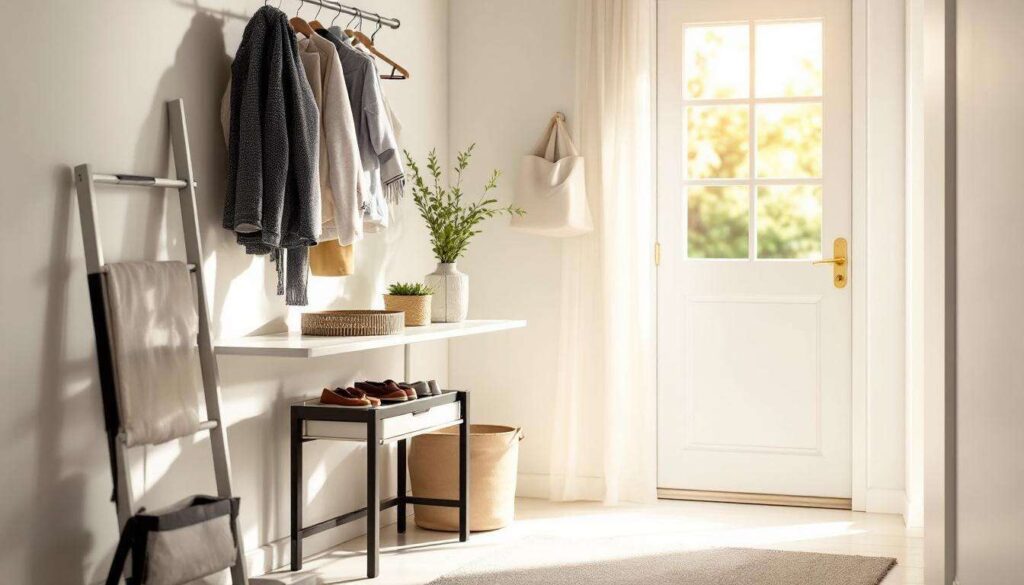
The hallway serves as the first impression of any home, setting the tone for what lies beyond. A tidy, well-organized entryway doesn’t happen by accident. People who consistently maintain an orderly hallway share common strategies and essential items that keep clutter at bay and create a welcoming atmosphere. These carefully chosen elements work together to transform a potentially chaotic space into a functional and inviting area that makes daily routines smoother and guests feel immediately comfortable.
Organization and storage of shoes
Strategic shoe storage solutions
People with consistently tidy hallways understand that shoe organization is non-negotiable. They invest in proper storage systems that prevent footwear from becoming scattered obstacles. A dedicated shoe rack, cabinet, or bench with built-in compartments ensures every pair has a designated home. These solutions come in various forms to accommodate different space constraints and aesthetic preferences.
The most effective shoe storage options include:
- Multi-tiered shoe racks that maximize vertical space
- Closed cabinets that conceal footwear while protecting it from dust
- Bench-style storage that combines seating with hidden compartments
- Wall-mounted organizers for smaller hallways
- Rotating shoe carousels for corner spaces
Maintaining the shoe zone
Regular maintenance distinguishes truly organized individuals from those who simply own storage solutions. They implement a simple rule: shoes worn daily stay in the hallway, while seasonal or occasional footwear moves to closets elsewhere. This rotation system prevents overcrowding and ensures the storage area remains functional rather than overflowing.
| Storage Type | Capacity | Best For |
|---|---|---|
| Open rack | 6-12 pairs | Quick access, ventilation |
| Closed cabinet | 12-20 pairs | Concealment, protection |
| Bench storage | 4-8 pairs | Small spaces, dual function |
Beyond footwear organization, the hallway requires equally thoughtful solutions for outerwear that families use daily.
Coat storage space
Designated hanging areas
A proper coat storage system prevents jackets, scarves, and bags from piling on furniture or floors. Organized homeowners install sturdy hooks, wall-mounted racks, or freestanding coat trees positioned at convenient heights. The key lies in providing enough hooks for all household members plus a few extras for guests, typically spacing them 4-6 inches apart to prevent overcrowding.
Seasonal rotation strategy
Those who maintain pristine hallways practice seasonal wardrobe rotation. Heavy winter coats move to storage when spring arrives, replaced by lighter jackets and rainwear. This approach prevents the hallway from becoming overwhelmed with unnecessary items and ensures only relevant outerwear occupies prime hanging space.
- Install hooks at varying heights for children and adults
- Use sturdy hardware rated for at least 10 pounds per hook
- Consider a coat closet with sliding doors for concealed storage
- Add a small shelf above hooks for hats and accessories
While coats hang vertically, smaller everyday items need their own horizontal solution to prevent surface clutter.
Basket for daily accessories
The catch-all solution
A designated basket or tray serves as a landing zone for keys, sunglasses, mail, and other small items that would otherwise scatter across surfaces. This simple addition dramatically reduces clutter by providing a specific home for transient objects. Organized individuals choose baskets with compartments or use multiple smaller containers to separate different categories of items.
Placement and accessibility
Strategic positioning makes this organizational tool effective. The basket sits on a console table, narrow shelf, or wall-mounted ledge near the door at a height that’s easily accessible without bending. This convenience encourages consistent use by all household members.
| Container Type | Best Use | Advantage |
|---|---|---|
| Divided tray | Keys, coins, receipts | Visual organization |
| Woven basket | Mail, small packages | Conceals contents |
| Wall-mounted organizer | Keys, sunglasses | Saves surface space |
Proper organization becomes fully visible only when lighting adequately illuminates the space.
Optimal lighting
Layered lighting approach
People with tidy hallways recognize that good lighting serves both practical and aesthetic purposes. They implement multiple light sources: overhead fixtures for general illumination, wall sconces for ambiance, and accent lighting to highlight organizational features. This layered approach eliminates dark corners where clutter can hide and makes the space feel more spacious.
Functional lighting choices
Motion-activated lights add convenience for late arrivals while ensuring the space never appears dim or unwelcoming. Dimmer switches provide flexibility to adjust brightness based on time of day or mood. Natural light receives equal consideration, with window treatments that maximize daylight while maintaining privacy.
- Install a statement ceiling fixture for primary illumination
- Add wall sconces at eye level for balanced lighting
- Use LED bulbs for energy efficiency and longevity
- Consider smart bulbs for adjustable color temperature
- Place table lamps on console tables for soft accent lighting
Even the most well-lit and organized hallway loses its appeal without attention to the floor’s first line of defense.
Clean and welcoming doormat
The protective barrier
A high-quality doormat represents the first defense against dirt and moisture entering the home. Organized homeowners invest in durable mats both outside and inside the entrance, creating a two-stage cleaning system. Exterior mats scrape away heavy debris, while interior mats absorb remaining moisture and fine particles.
Maintenance and replacement
The difference between tidy and cluttered hallways often comes down to doormat maintenance. Regular vacuuming, shaking out debris, and periodic washing keep these essential items functioning effectively. Organized individuals replace worn mats promptly rather than tolerating frayed edges or faded appearances that detract from the hallway’s overall presentation.
| Mat Material | Location | Cleaning Frequency |
|---|---|---|
| Rubber bristle | Exterior | Weekly shake-out |
| Microfiber | Interior | Weekly vacuum, monthly wash |
| Coir fiber | Covered exterior | Bi-weekly shake-out |
The final element that distinguishes exceptionally tidy hallways involves thoughtful aesthetic choices that enhance rather than complicate the space.
Minimalist and functional decor
Purposeful decorative elements
Organized individuals embrace minimalist decor principles in their hallways, selecting only items that serve dual purposes or bring genuine joy. A mirror expands the perceived space while providing a last-minute appearance check. A narrow console table offers surface space without obstructing traffic flow. Wall art adds personality without creating visual clutter.
The less-is-more philosophy
Every decorative item in a tidy hallway earns its place through functionality or meaningful beauty. Rather than filling surfaces with trinkets, organized homeowners display one or two carefully chosen pieces. They avoid seasonal decorations that require frequent changes, instead opting for timeless elements that maintain their appeal year-round.
- Choose a large mirror to reflect light and create spaciousness
- Select a console table with drawers for hidden storage
- Display a single statement piece of art or photography
- Add a small plant that thrives in available light conditions
- Use a decorative bowl or tray as the functional accessory basket
These six essential elements work together to create hallways that remain consistently organized and welcoming. The combination of proper storage for shoes and coats, a designated spot for daily accessories, adequate lighting, protective doormats, and thoughtfully minimal decor transforms the entryway from a clutter magnet into a functional space that sets a positive tone. People who maintain tidy hallways understand that organization isn’t about perfection but about implementing practical systems that make tidiness the path of least resistance for everyone who uses the space.