



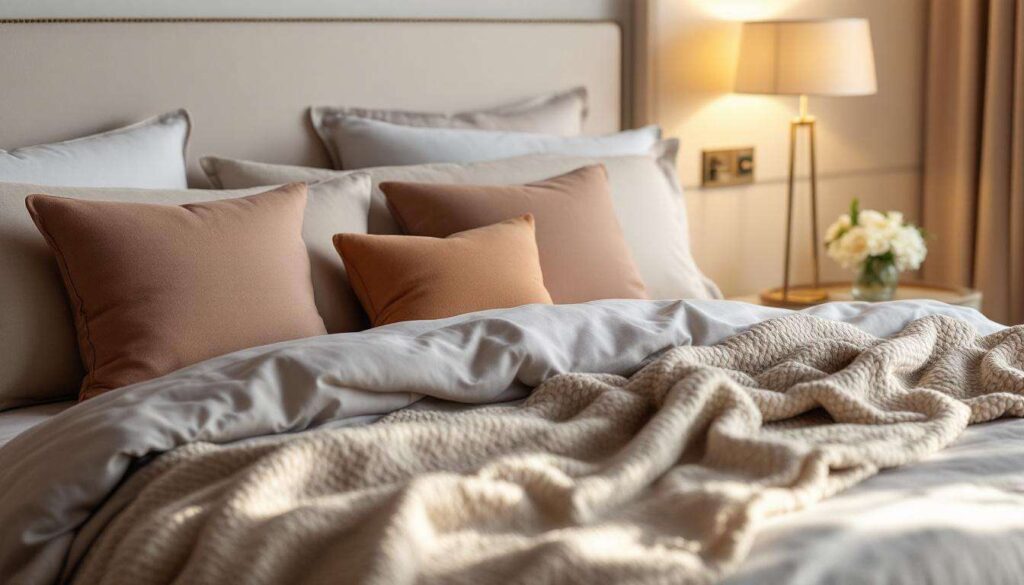
Transforming your bedroom into a sanctuary of comfort doesn’t require a complete overhaul or an extravagant budget. The secret lies in strategic choices that elevate everyday elements into something extraordinary. After years of experimenting with various bedding combinations and sleep accessories, I’ve discovered specific techniques that consistently deliver that coveted hotel-quality experience. These methods focus on texture, quality materials, and thoughtful layering to create a sleeping environment that feels indulgent from the moment you pull back the covers. Each morning becomes an opportunity to appreciate the deliberate comfort you’ve built into your personal space.
Choosing Egyptian cotton sheets
Understanding thread count and quality
The foundation of luxurious bedding starts with Egyptian cotton sheets, which offer unparalleled softness and durability. Unlike regular cotton, Egyptian cotton features extra-long staple fibers that create smoother, stronger threads. When selecting sheets, I focus on a thread count between 300 and 600, as anything higher often involves twisted threads that don’t necessarily improve quality. The weave matters significantly:
- Percale weave provides a crisp, cool feel perfect for warm sleepers
- Sateen weave delivers a silky, lustrous surface with gentle draping
- Jersey knit offers stretchy comfort similar to your favorite t-shirt
Proper care for longevity
Maintaining these premium sheets requires specific washing practices to preserve their luxurious feel. I wash my Egyptian cotton sheets in cold water with mild detergent, avoiding fabric softeners that can coat the fibers and reduce breathability. Line drying or tumble drying on low heat prevents excessive wear, and I’ve noticed that these sheets actually become softer with each wash when properly cared for. Rotating between two sets extends their lifespan considerably, allowing each set to rest between uses.
| Sheet Quality Factor | Standard Cotton | Egyptian Cotton |
|---|---|---|
| Fiber length | 0.5-1 inch | 1.5-2 inches |
| Average lifespan | 2-3 years | 5-7 years |
| Softness improvement | Minimal | Increases over time |
The right sheets set the stage for layering additional comfort elements that work together to create a cohesive sleeping experience.
Investing in a quality mattress topper
Selecting the right material
A premium mattress topper transforms even a mediocre mattress into a cloud-like sleeping surface. I’ve tested various materials and found that memory foam and down alternative toppers offer distinct advantages depending on personal preferences. Memory foam toppers contour to your body, relieving pressure points and providing support where needed. Down alternative toppers add plush softness without the allergen concerns associated with natural down. The thickness matters significantly, with two to four inches providing noticeable comfort enhancement without making the bed feel unstable.
Installation and maintenance tips
Proper installation ensures your topper stays in place throughout the night. I secure mine with elastic corner straps or a fitted sheet that accommodates the added height. Regular maintenance includes:
- Airing out the topper weekly by removing bedding
- Rotating it monthly to prevent uneven wear patterns
- Spot cleaning stains immediately with mild soap
- Using a waterproof mattress protector underneath
This foundation of comfort naturally leads to considering the warming layers that complete the sensory experience.
Adding a soft wool blanket
Benefits of natural wool fibers
A soft wool blanket serves as the perfect middle layer, providing temperature regulation that synthetic materials simply cannot match. Wool naturally wicks moisture away from your body while maintaining warmth, creating a microclimate that adapts to your needs throughout the night. I position mine between the top sheet and duvet, where it adds subtle weight and texture. Merino wool offers exceptional softness without the itchiness associated with traditional wool blankets, making it ideal for direct skin contact.
Styling and practical considerations
Beyond functionality, a wool blanket adds visual depth and texture to your bed’s appearance. I fold mine at the foot of the bed during warmer months, creating an inviting layered look while keeping it accessible for cooler evenings. The natural crimp in wool fibers traps air pockets that provide insulation without excessive bulk. When selecting colors, neutral tones like cream, gray, or camel complement most bedding schemes while hiding minor wear better than stark white alternatives.
With the foundational layers established, attention turns to the elements that cradle your head and neck throughout the night.
Using feather pillows
Comparing feather and down fills
Feather pillows provide the moldable support that synthetic fills struggle to replicate. Pure down offers the softest, most luxurious feel but comes with a higher price point. I prefer a down and feather blend that balances support with plushness, typically containing 70% feathers for structure and 30% down for softness. The fill power measurement indicates quality, with 600-800 fill power delivering optimal loft and durability.
Pillow care and fluffing techniques
Maintaining feather pillows requires daily fluffing to redistribute the fill and restore loft. I grasp opposite corners and push them together repeatedly, then shake vigorously to separate clumped feathers. Professional cleaning every six months removes oils and dust while preserving the natural properties of the feathers. Using pillow protectors under your pillowcases extends their life considerably by preventing:
- Oil and sweat absorption that breaks down feathers
- Dust mite accumulation in the fill material
- Premature flattening from direct contact
- Staining that requires harsh cleaning methods
These functional pillows create the perfect backdrop for adding decorative elements that complete the luxurious aesthetic.
Including decorative pillows
Selecting sizes and arrangements
Decorative pillows transform a bed from merely comfortable to visually stunning. I use a layered approach starting with European squares against the headboard, followed by standard sleeping pillows, then smaller accent pillows in front. The arrangement should feel intentional but not overly fussy, with three to five decorative pillows providing sufficient visual interest without overwhelming the space. Texture variation matters more than matching patterns exactly, so I mix velvet, linen, and embroidered fabrics.
Practical storage solutions
Managing decorative pillows each night requires a designated storage system to maintain the morning’s pristine appearance. I keep a large basket beside the bed or use a bedroom bench to neatly stack pillows during sleep hours. This routine takes less than thirty seconds but makes the difference between a cluttered bedroom and a magazine-worthy retreat. Choosing pillows with removable, washable covers allows for easy maintenance without professional cleaning expenses.
The final sensory element involves engaging your sense of smell to complete the luxurious experience.
Scenting bedding with essential oils
Choosing calming fragrances
Essential oils add an invisible layer of luxury that engages your senses the moment you enter the bedroom. I prefer lavender, chamomile, and sandalwood for their proven relaxation properties, though personal preference should guide your selection. The application method matters significantly, as direct application to fabric can leave stains. Instead, I use a linen spray by mixing 10-15 drops of essential oil with distilled water and witch hazel in a spray bottle, misting pillows and sheets lightly before making the bed.
Application techniques and frequency
Proper scenting requires restraint and consistency to avoid overwhelming the space. I apply linen spray after washing bedding and again mid-week for refreshment, always allowing the mist to dry completely before use. Alternative methods include:
- Adding drops to wool dryer balls during the drying cycle
- Placing sachets filled with dried lavender between pillows
- Using a diffuser in the bedroom for ambient scenting
- Applying diluted oil to the mattress corners before adding sheets
The subtle fragrance creates a multisensory experience that signals your brain it’s time to relax, enhancing the physical comfort you’ve carefully constructed through each previous layer.
Creating a cozy and luxurious bed involves deliberate choices across multiple elements that work synergistically. Egyptian cotton sheets provide the smooth foundation, while a quality mattress topper adds transformative comfort. Wool blankets regulate temperature naturally, and feather pillows offer moldable support throughout the night. Decorative pillows complete the visual appeal, and essential oil scenting engages your sense of smell for a complete sensory experience. These techniques require initial investment but deliver daily returns in improved sleep quality and morning satisfaction. The combination of premium materials, proper maintenance, and thoughtful layering transforms your bed into a personal retreat that rivals any luxury hotel experience.