


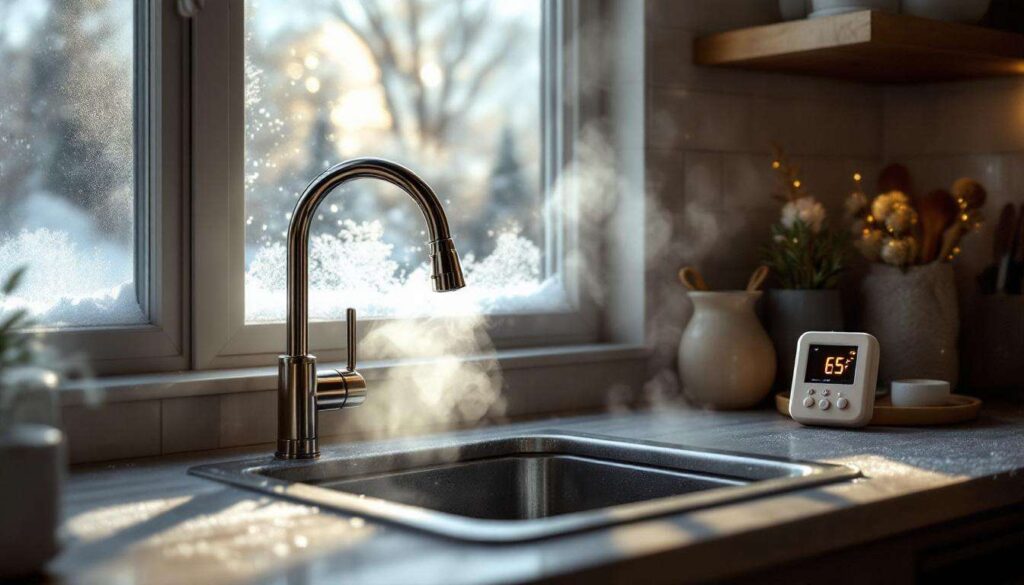
Winter weather poses serious threats to home plumbing systems, with frozen pipes ranking among the most common and costly problems homeowners face during cold snaps. When water inside pipes freezes, it expands and creates pressure that can cause pipes to burst, leading to extensive water damage and expensive repairs. Taking proactive steps to protect your plumbing before temperatures drop can save you thousands of dollars and prevent the headache of dealing with emergency repairs during the coldest months of the year.
Preparing your pipes for winter
Identifying vulnerable areas in your home
The first step in protecting your plumbing involves locating pipes most susceptible to freezing. These typically include pipes running through unheated spaces such as basements, attics, crawl spaces, and garages. Pipes installed against exterior walls are particularly vulnerable since they have less insulation between them and the cold outdoor air. Walk through your property and make a list of all exposed pipes, paying special attention to outdoor faucets and hose connections.
Draining outdoor water systems
Before the first hard freeze arrives, disconnecting and draining outdoor hoses is essential. Water left in hoses can freeze and expand back into the pipes inside your walls, causing damage you won’t see until it’s too late. Additionally, shut off water to outdoor faucets using the interior shut-off valve, then open the outdoor faucet to allow any remaining water to drain completely. For homes with irrigation systems, schedule a professional blow-out service to remove all water from underground lines.
Sealing gaps and cracks
Cold air entering through small openings can quickly lower temperatures around pipes. Inspect areas where pipes enter your home and seal any gaps with:
- Caulk for small cracks around pipe penetrations
- Expanding foam for larger gaps in foundations or walls
- Weather stripping around doors and windows near plumbing
- Insulation in crawl spaces and unfinished basements
These preventive measures create the foundation for keeping your entire plumbing system protected throughout winter.
Maintaining a constant temperature
Setting your thermostat strategically
One of the most effective strategies involves keeping your home heated consistently rather than allowing temperatures to fluctuate. Experts recommend maintaining an indoor temperature of at least 70°F (21°C) throughout the day and night, even when you’re away from home. While this approach may increase heating costs slightly, it’s significantly less expensive than repairing burst pipes and water damage.
Avoiding thermostat setbacks during cold snaps
Many homeowners habitually lower their thermostats at night or when leaving for work to save energy. However, during periods of extreme cold weather, this practice can be risky. The money saved on heating bills pales in comparison to potential repair costs. Consider these temperature guidelines:
| Outdoor Temperature | Recommended Indoor Setting | Risk Level |
|---|---|---|
| Above 32°F | Normal settings acceptable | Low |
| 20°F to 32°F | Maintain 68°F minimum | Moderate |
| Below 20°F | Keep at 70°F or higher | High |
Managing heat distribution throughout your home
Keeping interior doors open allows warm air to circulate freely, ensuring that heat reaches pipes in closets, bathrooms, and utility rooms. This simple action helps maintain consistent temperatures in spaces that might otherwise become cold enough for pipes to freeze. Open cabinet doors under sinks to let warm air reach pipes running through exterior walls.
Beyond temperature control, allowing water movement through your pipes provides another layer of protection against freezing.
Letting a trickle of water run
Understanding the science behind running water
Moving water is much harder to freeze than standing water. When you allow a faucet to drip, you accomplish two important goals: reducing pressure within the pipes and keeping water molecules in motion. Even a small trickle, roughly the width of a pencil lead, can make a significant difference in preventing ice formation.
Choosing which faucets to run
Focus on faucets connected to pipes that run through unheated or poorly insulated areas. These typically include:
- Bathroom sinks on exterior walls
- Kitchen faucets if pipes run through outside walls
- Laundry room sinks in unheated spaces
- Basement utility sinks
Balancing water conservation with protection
While letting water run does waste some water, the amount is minimal compared to the thousands of gallons that can flood your home from a single burst pipe. During severe cold warnings, the small increase in your water bill represents a worthwhile insurance policy. Run both hot and cold water if your home has separate supply lines, as both need protection.
While water movement helps, physical barriers against cold provide even more robust protection for vulnerable pipes.
Insulating exposed pipes
Selecting appropriate insulation materials
Pipe insulation comes in various forms, each suited to different applications. Foam pipe sleeves are the most common choice, offering easy installation and good thermal protection. These pre-slit tubes slide directly over pipes and come in various diameters to fit standard plumbing sizes. For pipes in extremely cold areas, consider fiberglass insulation wrapped with waterproof tape for enhanced protection.
Installing insulation properly
Proper installation ensures maximum effectiveness. Cut foam sleeves to length using a utility knife, then slip them over pipes with the slit facing away from exterior walls. Seal seams with duct tape or cable ties to prevent gaps where cold air could penetrate. Pay special attention to:
- Joints and elbows where pipes change direction
- Areas where pipes pass through unheated spaces
- The first few feet of pipe after it enters from outside
- Pipes near windows or vents
Adding heat tape for extra protection
For pipes in particularly vulnerable locations, heat tape provides active warming. This electrical heating element wraps around pipes and plugs into a standard outlet. Some models include thermostats that automatically activate when temperatures drop below a certain threshold. Always follow manufacturer instructions carefully, as improper installation can create fire hazards.
Even with all these precautions in place, vigilance during severe weather remains essential.
Monitoring pipes during storms
Conducting regular inspections
During cold weather events, check your pipes at least twice daily. Look for signs of freezing such as frost on exposed pipes, reduced water flow from faucets, or strange noises when turning on water. Early detection allows you to take action before pipes burst.
Using technology for remote monitoring
Smart home devices can alert you to dangerous temperature drops even when you’re away. Consider installing:
- Smart thermostats that send notifications if indoor temperatures fall below set thresholds
- Water leak detectors near vulnerable pipes
- Temperature sensors in crawl spaces and basements
- Smart home cameras to visually check pipe areas remotely
Keeping garage doors closed
If water supply lines run through your garage, keeping garage doors closed prevents cold air from entering and surrounding pipes. This is especially important for attached garages where pipes may run along shared walls with the main house. Avoid leaving garage doors open unnecessarily during cold snaps, even for short periods.
Despite your best efforts, pipes may still freeze, requiring immediate and careful action to prevent damage.
Safely thawing frozen pipes
Recognizing frozen pipe symptoms
If you turn on a faucet and only a trickle comes out, you likely have a frozen pipe. Other warning signs include visible frost on exposed pipes, unusual odors from drains, or gurgling sounds when running water. Act immediately upon noticing these symptoms, as frozen pipes can burst within hours.
Safe thawing methods
Never use open flames or high-heat sources like blowtorches to thaw pipes, as this can damage pipes and create fire hazards. Instead, use these safe approaches:
- Wrap pipes with towels soaked in hot water
- Use a hair dryer on low setting, moving it back and forth along the pipe
- Apply heating pads wrapped around frozen sections
- Increase room temperature and wait for gradual thawing
When to call a professional
If you cannot locate the frozen section, if pipes are inside walls or ceilings, or if you’ve already discovered a leak, contact a licensed plumber immediately. Attempting repairs beyond your skill level can worsen the situation and potentially void insurance coverage. Professional plumbers have specialized equipment to safely thaw pipes and assess damage.
Protecting your home’s plumbing system from winter freezing requires a combination of preparation, consistent heating, water movement, insulation, vigilant monitoring, and knowing how to respond when problems arise. By implementing these five strategies, you significantly reduce the risk of costly pipe damage and the disruption frozen pipes bring to your household. The small investment of time and resources in prevention pays substantial dividends compared to emergency repairs and water damage restoration. Take action before the next cold snap arrives, and your plumbing system will remain functional throughout even the harshest winter conditions.