


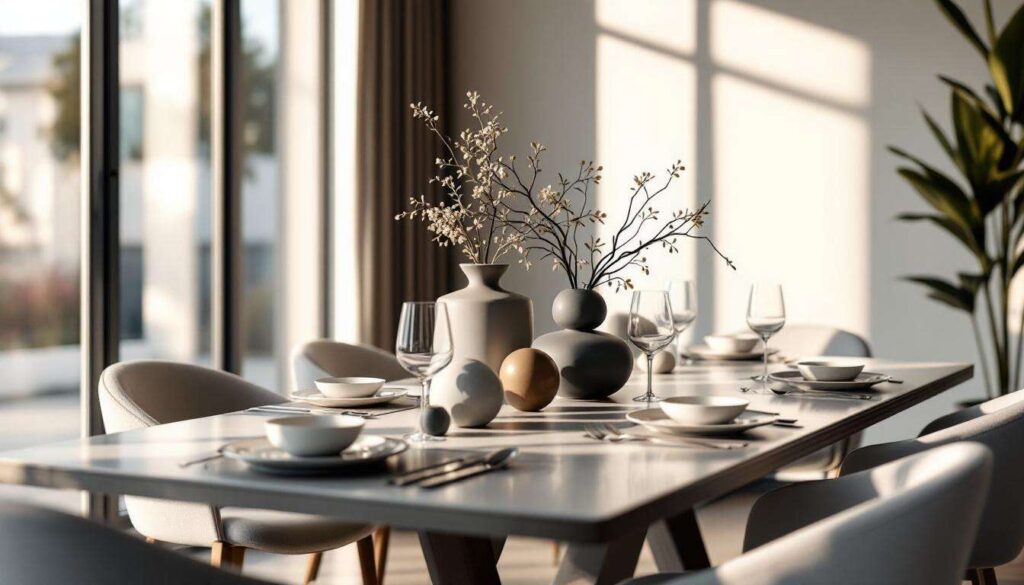
The dining table has long served as the centerpiece of home gatherings, traditionally adorned with carefully arranged flower bouquets. However, a striking shift is reshaping how households approach table decoration. Fresh produce, herbs, and edible plants are claiming their place as the new stars of tablescapes, offering both visual appeal and practical value. This movement responds to changing priorities around sustainability, functionality, and a desire to merge beauty with everyday utility in living spaces.
The influences behind the 2026 decorative trend
Economic pressures driving practical choices
Rising living costs have fundamentally altered consumer behavior in recent years. The Royal Horticultural Society documented this shift, noting that households increasingly prioritize purchases with dual purposes. Decorative elements that also serve as food resources align perfectly with budget-conscious decision-making. When grocery prices fluctuate unpredictably, investing in items that beautify spaces while remaining consumable makes financial sense. This practical approach doesn’t sacrifice aesthetics but rather redefines what constitutes thoughtful design.
Sustainability as a core expectation
Environmental consciousness has evolved from a niche concern to a mainstream expectation. Low-waste lifestyles now influence purchasing decisions across demographics. Traditional cut flowers, despite their beauty, present an inherent problem: they wilt within days, creating regular waste. Fresh produce offers longevity when properly displayed, and unlike flowers, these items transition seamlessly from decoration to meal ingredient. This circular approach to home styling reflects broader cultural shifts toward reducing unnecessary consumption and maximizing resource utility.
The home cultivation movement
Growing numbers of households have embraced home gardening, whether through backyard plots or windowsill herb containers. This hands-on relationship with food production naturally extends into decorative applications. Potted basil, rosemary, and thyme serve dual roles as living decorations and culinary resources. The satisfaction of harvesting herbs directly from a centerpiece adds an interactive dimension to home design that static floral arrangements cannot match.
These converging factors create fertile ground for the produce-based decoration trend, which addresses practical needs while satisfying aesthetic desires.
Tables transformed with fruits and vegetables
Citrus fruits as vibrant focal points
Lemons, oranges, and grapefruits bring bold color and organic texture to table settings. Their bright hues create visual interest without requiring elaborate arrangement skills. A simple bowl filled with mixed citrus varieties offers immediate impact, while the fruits’ natural fragrance adds a sensory layer beyond visual appeal. These items remain fresh for extended periods, making them practical choices for everyday display rather than special occasions only.
Heirloom tomatoes and seasonal vegetables
Vegetables with striking appearances have found new appreciation as decorative elements. Heirloom tomatoes in varied colors, purple eggplants, and vibrant peppers create unexpected tablescapes that challenge conventional decoration norms. Arranging these items on wooden boards or ceramic platters evokes farmers market aesthetics while keeping ingredients accessible for cooking. This approach works particularly well in kitchens and dining areas where the transition from display to food preparation feels natural.
Living herb arrangements
Potted herbs represent perhaps the most functional iteration of this trend. Unlike cut elements, these plants continue growing, providing ongoing visual interest and culinary resources. Clustering various herb pots creates dimensional displays with different heights and textures. The practical benefits extend beyond decoration:
- Fresh herbs available for cooking without grocery store trips
- Natural air freshening through aromatic leaves
- Educational opportunities for children to observe plant growth
- Lower maintenance than many ornamental houseplants
These diverse applications demonstrate how edible elements adapt to various aesthetic preferences and functional requirements.
How to integrate this trend into your home
Starting with existing grocery purchases
The most sustainable approach involves displaying items already part of regular shopping habits. Rather than buying produce specifically for decoration, select attractive specimens during normal grocery runs. This strategy prevents waste while maintaining the trend’s practical foundation. A wire basket filled with apples, pears, and bananas serves both as kitchen decor and readily available snacks.
Matching displays to room functions
Context matters when incorporating edible decorations. Dining tables naturally accommodate produce displays, but other spaces benefit from thoughtful placement. Kitchen counters work well for frequently used items like garlic, onions, and root vegetables stored in open containers. Living room coffee tables might feature more polished presentations with carefully selected citrus arrangements or decorative vegetable assortments in refined bowls.
Combining textures and colors
Successful produce displays balance visual elements much like traditional floral arrangements. Consider these composition principles:
- Mix round and elongated shapes for dimensional interest
- Combine smooth and textured surfaces
- Group complementary colors or create contrast with opposing hues
- Vary heights using pedestals, stacked books, or tiered stands
Incorporating non-edible natural elements
While produce takes center stage, complementary natural materials enhance overall presentations. Wooden cutting boards provide rustic foundations, while linen napkins add softness. Small branches, pinecones, or dried grasses introduce additional textures without competing with edible focal points. These supporting elements help bridge the gap between traditional decorating and this emerging approach.
Understanding implementation strategies helps homeowners adopt this trend confidently, but awareness of common pitfalls ensures successful execution.
Mistakes to avoid in table decoration
Purchasing solely for appearance
The greatest contradiction to this trend’s philosophy involves buying produce exclusively for decorative purposes without intention to consume it. This practice generates the same waste problems associated with cut flowers while adding food waste concerns. Decoration should feature items that fit into meal planning, ensuring everything displayed eventually serves its primary purpose as nourishment.
Neglecting food safety considerations
Produce displayed at room temperature requires monitoring to prevent spoilage. Items like leafy greens or berries deteriorate quickly outside refrigeration. Choose hardy options that maintain quality during extended display periods. Root vegetables, citrus fruits, and hard squashes tolerate ambient conditions better than delicate items. Rotate displays regularly, moving older items into cooking rotation before they decline.
Overcrowding arrangements
Enthusiasm for this trend sometimes leads to cluttered presentations that overwhelm spaces. Effective displays embrace negative space, allowing individual elements to shine. A few perfectly ripe pears arranged with intention create more impact than a heaping bowl of mixed produce. Restraint and curation distinguish thoughtful design from mere accumulation.
Ignoring seasonal availability
Forcing out-of-season produce into decorative schemes contradicts sustainability principles. Imported items carry environmental costs that undermine the trend’s eco-conscious foundations. Embrace seasonal variations, allowing displays to reflect natural growing cycles. Summer tomatoes give way to autumn squashes, which transition to winter citrus. This approach keeps decorations fresh, affordable, and environmentally responsible.
Avoiding these missteps ensures decorative choices align with the practical and sustainable values driving this movement, which connects to broader aesthetic developments.
Natural luxury: an essential style
The earthy luxe aesthetic
Contemporary design increasingly favors understated elegance over ostentatious display. The earthy luxe movement embraces neutral palettes, natural textures, and organic materials. This aesthetic finds perfect expression in produce-based decorations, where the inherent beauty of fruits and vegetables needs no artificial enhancement. Cream-colored vegetables, tan mushrooms, and beige potatoes create sophisticated monochromatic arrangements that feel both refined and approachable.
Elevating everyday items
Luxury in contemporary contexts involves celebrating quality in ordinary objects rather than relying on rare or expensive materials. A perfectly ripe avocado displayed on handcrafted pottery embodies this philosophy. The focus shifts from monetary value to appreciation of craftsmanship, natural beauty, and thoughtful presentation. This democratized approach to luxury makes sophisticated design accessible regardless of budget constraints.
Textural richness through natural elements
Natural materials provide visual and tactile complexity that synthetic alternatives cannot replicate. The waxy sheen of apples, the dimpled surface of citrus peels, and the papery layers of garlic cloves offer sensory experiences that engage beyond mere visual appeal. These organic textures add depth to spaces, creating environments that feel grounded and authentic rather than sterile or overly designed.
This emphasis on natural luxury extends to color choices, which play crucial roles in establishing desired atmospheres.
Key colors to adopt for a unique ambiance
Warm citrus tones for energy
Yellow lemons, orange mandarins, and pink grapefruits inject vibrant energy into spaces. These warm hues create welcoming environments particularly suited to social areas like dining rooms and kitchens. The sunny citrus palette works especially well during colder months, providing visual warmth when natural light diminishes. These colors stimulate appetite and conversation, making them ideal for entertaining spaces.
Deep jewel tones for drama
Purple eggplants, deep red tomatoes, and burgundy beets offer rich, saturated colors that add sophistication and depth. These jewel tones create dramatic focal points without overwhelming spaces. When displayed against neutral backgrounds, their intensity becomes a design feature that anchors entire rooms. This color approach suits formal settings or spaces seeking bold visual statements.
Soft neutrals for calm sophistication
Not all produce-based decoration requires bright colors. White onions, tan mushrooms, pale green artichokes, and cream-colored cauliflower create serene palettes that promote relaxation. These subtle tones work beautifully in bedrooms, bathrooms, or any space designed for tranquility. The neutral approach allows architectural features and furniture to take precedence while produce adds organic softness.
Seasonal color transitions
| Season | Featured Colors | Representative Produce |
|---|---|---|
| Spring | Soft greens, pale yellows | Asparagus, lemons, herbs |
| Summer | Bright reds, deep purples | Tomatoes, berries, eggplant |
| Autumn | Oranges, browns, golds | Squash, pumpkins, pears |
| Winter | Deep greens, bright citrus | Kale, oranges, pomegranates |
Following these seasonal color patterns keeps decorations feeling current and connected to natural cycles.
The movement toward produce-based table decoration represents more than aesthetic preference. It reflects evolving values around sustainability, functionality, and mindful consumption. By replacing traditional cut flowers with edible elements, households create beautiful spaces while reducing waste and maximizing resource utility. Success with this trend requires thoughtful selection of items already integrated into meal planning, attention to seasonal availability, and appreciation for natural beauty in everyday objects. The approach works across various aesthetic preferences, from vibrant citrus displays to sophisticated neutral arrangements. As living costs continue influencing design choices and environmental consciousness shapes consumer behavior, this practical yet beautiful trend positions itself as a lasting evolution in home decoration rather than a passing fad.