
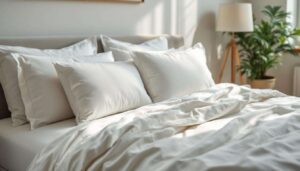

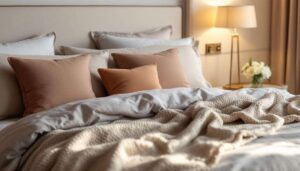

Household textiles often accumulate in closets, forgotten after years of faithful service. Rather than discarding worn bedsheets, resourceful homeowners are discovering innovative methods to transform these fabric remnants into practical cleaning tools and household essentials. This approach not only reduces textile waste but also provides cost-effective solutions for maintaining a pristine living environment.
Transform your sheets into cleaning cloths
Creating durable cleaning rags
Cotton bedsheets represent an excellent source material for homemade cleaning cloths. The fabric’s absorbent nature and durability make it ideal for tackling various household cleaning tasks. Simply cut old sheets into manageable squares measuring approximately twelve to eighteen inches, and hem the edges to prevent fraying. These reusable cleaning cloths can withstand multiple wash cycles, making them far more economical than disposable paper towels.
- Cut sheets into uniform squares for consistent cleaning coverage
- Create different sizes for specific cleaning purposes
- Store folded cloths in easily accessible containers near cleaning supplies
- Designate specific colors for different rooms to prevent cross-contamination
Specialized cleaning applications
Different fabric weights serve distinct cleaning purposes throughout the home. Thicker sheets work exceptionally well for scrubbing surfaces and cleaning windows, while lighter materials excel at dusting delicate items and polishing furniture. The versatility of repurposed bedsheets allows homeowners to create a comprehensive cleaning cloth collection tailored to specific household needs.
| Fabric Type | Best Cleaning Use | Durability Rating |
|---|---|---|
| Thick cotton | Kitchen counters, bathrooms | High |
| Lightweight cotton | Dusting, polishing | Medium |
| Flannel sheets | Glass surfaces, mirrors | High |
Beyond basic cleaning applications, these transformed textiles offer surprising benefits for maintaining household cleanliness while addressing environmental concerns about disposable products.
Make original pillow covers
Simple envelope-style designs
Repurposing bedsheets into decorative pillow covers requires minimal sewing skills and provides an opportunity to refresh home décor without significant expense. The envelope-style pillow cover represents the simplest construction method, requiring only basic straight stitching along three sides. This design allows for easy removal and washing, maintaining hygiene standards while protecting throw pillows from daily wear.
Select sheet sections with interesting patterns or solid colors that complement existing interior design schemes. Measure existing pillows carefully, adding seam allowances to ensure proper fit. This creative reuse transforms outdated bedding into contemporary decorative accents that enhance living spaces.
Advanced decorative techniques
For those with intermediate sewing abilities, embellished pillow covers offer additional customization options. Add buttons, ribbons, or contrasting fabric strips to create unique designs that reflect personal style preferences. These handcrafted covers demonstrate how resourceful thinking transforms ordinary household items into distinctive home accessories.
The transition from decorative applications to functional window treatments demonstrates the remarkable versatility of repurposed bedsheets.
Create elegant curtains from sheets
Measuring and planning window treatments
Converting bedsheets into functional curtains provides an affordable alternative to expensive window treatments. Begin by measuring window dimensions accurately, accounting for desired curtain length and fullness. Standard flat sheets typically provide sufficient fabric for smaller windows, while fitted sheets can be deconstructed and reassembled for larger openings.
- Measure window width and add fifty percent for appropriate fullness
- Determine desired length from rod to floor or sill
- Calculate fabric requirements including hem allowances
- Consider lining options for improved light blocking and insulation
Installation and finishing touches
Creating rod pockets or clip-ring attachments allows for straightforward installation without professional assistance. Hem bottom edges to achieve a polished appearance, and consider adding decorative trim or contrasting borders to enhance visual appeal. These custom curtains provide privacy and light control while demonstrating creative problem-solving skills.
From window treatments, attention naturally shifts to another essential household textile category that benefits from sustainable repurposing practices.
Craft eco-friendly kitchen towels
Absorbent alternatives to paper products
Kitchen environments demand highly absorbent textiles capable of handling spills, drying dishes, and general food preparation tasks. Repurposed cotton bedsheets meet these requirements while reducing reliance on disposable paper towels. Cut sheets into rectangular pieces measuring approximately sixteen by twenty-four inches, creating practical kitchen towels that withstand frequent laundering.
The environmental impact of this substitution proves significant over time. A typical household uses multiple paper towel rolls monthly, generating substantial waste. Replacing these disposable products with reusable fabric alternatives reduces both environmental impact and household expenses.
| Product Type | Annual Cost | Environmental Impact |
|---|---|---|
| Paper towels | $150-200 | High waste generation |
| Reusable cloth towels | $0-30 | Minimal waste |
Maintenance and hygiene considerations
Proper care ensures these kitchen towels remain sanitary and effective. Wash towels in hot water with appropriate detergent after each use, especially when handling raw meat or poultry. Designate specific towels for different tasks to prevent cross-contamination between food preparation surfaces and general cleaning activities.
Kitchen applications naturally extend to broader household storage and organization solutions that leverage repurposed textiles.
Recycle into reusable shopping bags
Constructing durable shopping totes
Environmental consciousness drives increasing interest in reusable shopping bags as alternatives to single-use plastic options. Bedsheets provide excellent source material for creating sturdy totes capable of carrying groceries and general purchases. Basic bag construction requires sewing three sides of folded fabric and attaching handles fashioned from reinforced fabric strips or repurposed belt material.
- Double-layer construction increases strength and durability
- Reinforce handle attachment points with additional stitching
- Add interior pockets for organizing smaller items
- Consider waterproof lining for protecting delicate purchases
Customization and practical features
Personalize shopping bags with decorative elements that reflect individual style while maintaining functionality. Add exterior pockets for frequently accessed items, incorporate closures to secure contents during transport, or apply fabric paint to create unique designs. These handcrafted bags serve practical purposes while making environmental statements about sustainable living choices.
Storage solutions extend beyond portable bags to include stationary organizational systems within the home.
Use as lining for laundry baskets
Protecting and organizing laundry containers
Laundry baskets benefit significantly from fabric linings that protect delicate garments from rough wicker or plastic surfaces. Measure basket dimensions carefully, creating patterns that accommodate depth and width while allowing for secure attachment methods. Fitted sheet corners adapt particularly well to basket shapes, requiring minimal modification for effective installation.
These linings serve multiple purposes beyond simple protection. They prevent small items from slipping through basket openings, contain odors more effectively than unlined containers, and simplify the process of transporting laundry between rooms. When linings become soiled, simply remove and launder them alongside regular household textiles.
Multi-basket organization systems
Implement color-coded lining systems to streamline laundry sorting processes. Assign specific colors to different family members or clothing categories, reducing sorting time and preventing mix-ups. This organizational approach transforms mundane household chores into efficient routines that save time and reduce stress.
Repurposing old bedsheets demonstrates how creative thinking transforms potential waste into valuable household resources. These practical applications reduce environmental impact while maintaining high standards of home cleanliness and organization. The versatility of cotton fabric ensures that worn bedsheets continue serving useful purposes long after their original function concludes, proving that sustainable living practices align perfectly with maintaining spotless, well-organized homes.