



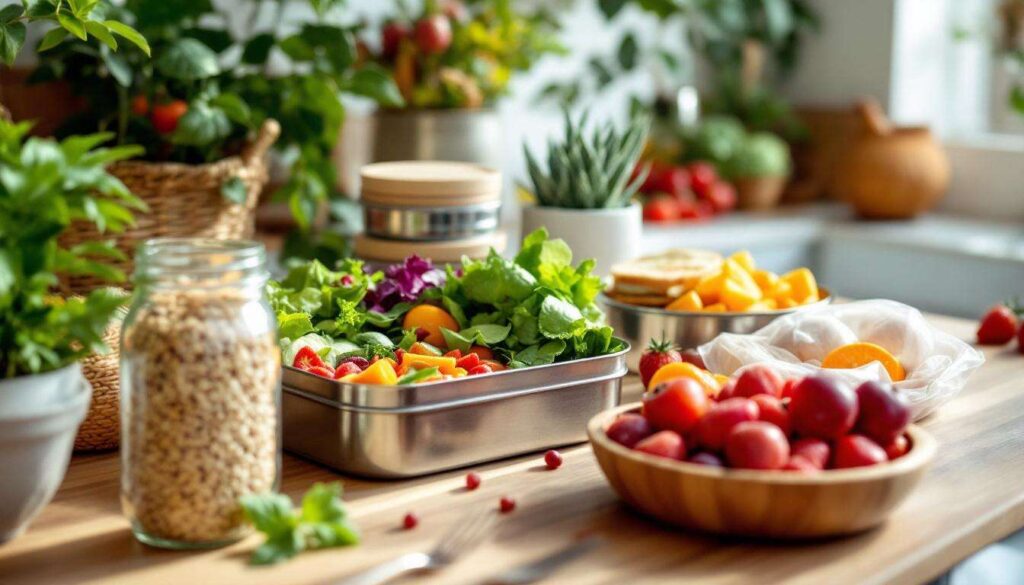
Kitchen storage has become more than just a practical necessity. As awareness grows about the health risks linked to certain plastics and the environmental toll of disposable containers, homeowners and apartment dwellers alike are rethinking how they store their food. The shift toward sustainable, non-toxic alternatives has sparked a design revolution in food storage, proving that eco-conscious choices can be both beautiful and functional. From sleek glass to warm bamboo, today’s plastic-free containers offer style without compromise.
Benefits of plastic food container alternatives
Health advantages of non-plastic storage
Switching away from plastic containers eliminates exposure to harmful chemicals that can migrate into food. Substances like BPA and phthalates, known endocrine disruptors, have been linked to various health concerns including hormonal imbalances and metabolic issues. Alternative materials such as glass, stainless steel, and ceramic are inert, meaning they do not leach chemicals into your meals, even when exposed to heat or acidic foods. This makes them particularly suitable for storing leftovers, meal prep, and children’s lunches.
Environmental impact reduction
The environmental case for ditching plastic is compelling. Consider these facts:
- Less than 10% of plastic containers ever produced have been recycled
- Plastic waste accumulates in landfills and oceans for centuries
- Durable alternatives can last decades, reducing replacement cycles
- Many plastic-free options are biodegradable or infinitely recyclable
By investing in reusable containers made from sustainable materials, households significantly decrease their contribution to plastic pollution. Each container replaced represents dozens or even hundreds of single-use plastics avoided over its lifetime.
Aesthetic and practical considerations
Modern plastic alternatives deliver on visual appeal as well as function. Clear glass containers showcase colorful ingredients beautifully, while brushed stainless steel adds industrial chic to any kitchen. These materials maintain their appearance over time, resisting stains and odors that plague plastic containers. Many designs feature airtight seals, stackable shapes, and oven-to-table versatility that plastic simply cannot match.
The combination of health safety, environmental responsibility, and attractive design makes plastic alternatives an increasingly popular choice for discerning consumers. These benefits extend beyond the kitchen into lifestyle choices that reflect personal values.
Glass food containers: elegance and durability
Timeless transparency and versatility
Glass containers offer unmatched clarity and purity for food storage. Their transparent nature allows instant identification of contents without opening lids, streamlining meal planning and reducing food waste. Borosilicate glass, the material used in premium containers, withstands extreme temperature changes, making it safe for freezer, microwave, and oven use. This versatility means fewer dishes and more efficient kitchen workflows.
Longevity and maintenance
Quality glass containers represent a long-term investment in kitchen organization. Unlike plastic that degrades, warps, and discolors, glass maintains its pristine condition for years. The material resists scratches and does not absorb food odors or stains, even after storing pungent ingredients like curry or tomato sauce. Most glass containers feature dishwasher-safe construction, simplifying cleanup.
| Feature | Glass Containers | Plastic Containers |
|---|---|---|
| Lifespan | 10+ years | 1-3 years |
| Temperature range | -40°F to 450°F | 0°F to 180°F |
| Stain resistance | Excellent | Poor |
| Chemical leaching | None | Possible |
The initial cost of glass containers pays dividends through their durability and multi-purpose functionality. They transition seamlessly from storage to serving, eliminating the need for transfer dishes and reducing overall kitchenware requirements.
While glass excels in many areas, some situations call for lighter, unbreakable alternatives that still avoid plastic’s drawbacks.
Stainless steel: a modern and aesthetic solution
Industrial strength meets contemporary design
Stainless steel containers bring professional-grade durability to home kitchens. Their sleek metallic finish complements modern interior design while providing exceptional resistance to dents, corrosion, and wear. Food-grade stainless steel contains no toxic coatings or linings, ensuring pure food contact surfaces. The material’s natural antimicrobial properties inhibit bacterial growth, adding an extra layer of food safety.
Temperature retention and portability
One standout feature of stainless steel is its thermal performance. These containers maintain food temperatures significantly longer than glass or plastic alternatives, making them ideal for packed lunches, picnics, and travel. The lightweight yet robust construction withstands drops and impacts that would shatter glass, perfect for active lifestyles and children’s use.
- Rust-proof construction for decades of service
- Non-reactive surface safe for acidic and alkaline foods
- Stackable designs maximize refrigerator and cabinet space
- Easy to clean with no residue buildup
Many stainless steel containers feature modular sizing systems that nest together when empty, conserving storage space. Silicone gaskets in lids provide airtight seals without introducing plastic into food contact zones.
For those seeking warmth and artisanal character in their kitchen storage, ceramic options offer distinctive appeal.
Ceramics: charm and functionality for the kitchen
Artisanal beauty with practical benefits
Ceramic containers introduce handcrafted elegance to food storage. Available in countless glazes, patterns, and textures, they transform functional items into decorative kitchen accents. Stoneware and porcelain varieties offer excellent temperature stability, keeping contents cool or warm as needed. The dense material provides natural insulation while remaining completely non-toxic and food-safe.
Specialized storage applications
Ceramic excels in specific storage scenarios where its unique properties shine. The material’s breathability makes it ideal for storing items like garlic, onions, and bread that benefit from air circulation. Glazed ceramic containers with tight-fitting lids work beautifully for pantry staples, coffee, and tea, protecting contents from moisture and light while adding visual interest to countertops and open shelving.
Traditional ceramic crocks and jars have experienced renewed popularity as consumers rediscover their time-tested functionality. These vessels maintain consistent internal temperatures and humidity levels, creating optimal conditions for fermenting vegetables, storing flour, and aging certain foods.
Sustainability-minded consumers often gravitate toward another natural material that combines environmental credentials with contemporary style.
Bamboo: an eco-friendly and trendy choice
Renewable resource with rapid growth
Bamboo represents one of the most sustainable materials available for food containers. This fast-growing grass reaches maturity in just three to five years, compared to decades for hardwood trees. Bamboo cultivation requires no pesticides, minimal water, and naturally regenerates from its root system without replanting. The resulting material is surprisingly durable, naturally antimicrobial, and biodegradable at end of life.
Contemporary aesthetic appeal
Bamboo containers bring organic warmth to modern kitchens. Their natural grain patterns and honey tones complement both minimalist and rustic design schemes. Many bamboo containers feature innovative designs with magnetic closures, modular stacking systems, and integrated utensil storage. The lightweight material makes these containers easy to handle while maintaining structural integrity.
- Naturally moisture-resistant without chemical treatments
- Lightweight construction ideal for everyday use
- Unique grain patterns make each piece distinctive
- Carbon-negative production process benefits the environment
Bamboo fiber composites expand the material’s applications, creating durable lunchboxes and storage sets that resist warping and cracking. These modern formulations maintain bamboo’s environmental benefits while enhancing practical performance.
With so many attractive options available, selecting the right containers for your specific needs requires thoughtful consideration of several factors.
How to choose the right non-plastic food containers
Assessing your storage needs
Begin by evaluating your typical food storage patterns. Consider the types of foods you store most frequently, portion sizes, and whether containers need to transition between refrigerator, freezer, microwave, or oven. Households that meal prep benefit from uniform, stackable sets, while those storing diverse items may prefer varied sizes and shapes. Take inventory of available storage space in cabinets and refrigerators to ensure new containers fit existing layouts.
Material selection criteria
Match container materials to their intended uses for optimal performance:
| Use Case | Recommended Material | Reason |
|---|---|---|
| Reheating food | Glass | Oven and microwave safe |
| Packed lunches | Stainless steel | Durable and temperature-retaining |
| Pantry storage | Ceramic or bamboo | Breathable and decorative |
| Freezer storage | Glass or stainless steel | Withstands extreme cold |
Budget and investment planning
Quality non-plastic containers require higher upfront investment than disposable alternatives, but their longevity justifies the cost. Start by replacing most-used containers first, gradually building a complete set. Look for multi-purpose designs that eliminate the need for specialized items. Many manufacturers offer starter sets at reduced per-unit costs, providing economical entry points into plastic-free storage.
Maintenance and care requirements
Consider the cleaning and maintenance demands of different materials. Glass and stainless steel typically offer dishwasher-safe convenience, while bamboo may require hand washing to preserve finish quality. Evaluate whether container designs feature removable gaskets or complex shapes that complicate cleaning. Simple, streamlined designs with fewer components generally provide easier long-term maintenance.
The transition away from plastic food containers represents an investment in health, environmental stewardship, and kitchen aesthetics. Glass offers unmatched versatility and transparency, while stainless steel provides durability and portability. Ceramic containers add artisanal charm alongside functional benefits, and bamboo brings sustainable style to modern kitchens. By carefully assessing storage needs, selecting appropriate materials, and investing in quality designs, anyone can create a beautiful, plastic-free food storage system that serves both practical requirements and personal values. Each container choice contributes to a healthier home and a more sustainable future.