



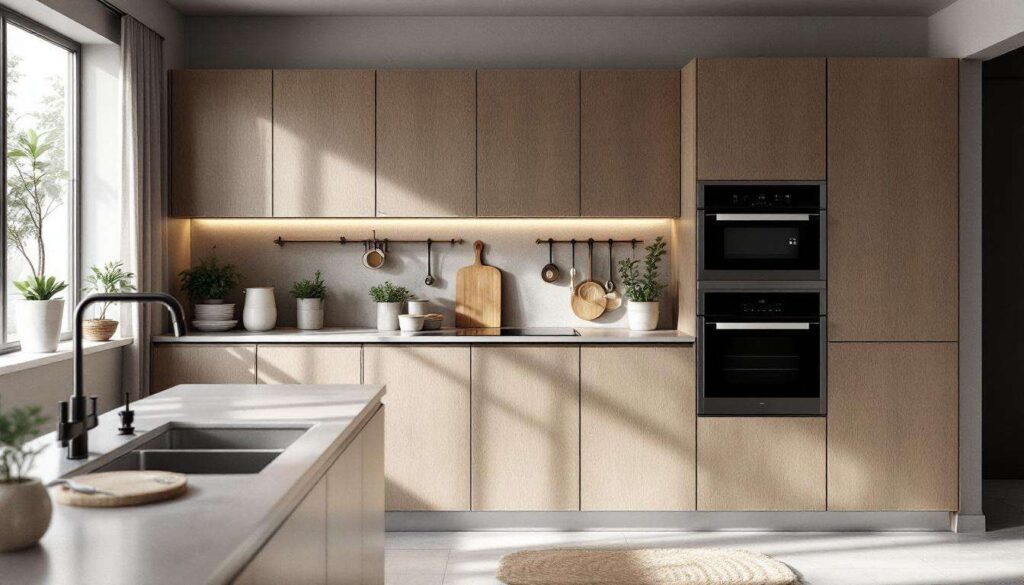
Open concept kitchens have dominated home design conversations for decades, with homeowners enthusiastically knocking down walls to create expansive, flowing spaces. Yet a remarkable shift is underway as closed kitchens reclaim their position in contemporary residential design, offering homeowners a return to intentional, well-defined spaces that prioritize functionality alongside aesthetic appeal.
Why Homeowners Are Returning to Closed Kitchens
The Practical Appeal of Separation
Homeowners are rediscovering the practical benefits that closed kitchens provide in daily living. Containing cooking odors, smoke, and noise within a dedicated space has become increasingly valuable, particularly for families who work from home or entertain frequently. The ability to close off kitchen clutter from view when guests arrive offers a level of control that open layouts simply cannot match.
Privacy and Focused Cooking Environments
The closed kitchen creates a sanctuary for culinary creativity. Cooks appreciate having a dedicated workspace where they can concentrate without distractions from television noise or living room conversations. This separation allows multiple household activities to occur simultaneously without interference, making daily routines more efficient and harmonious.
- Better containment of cooking smells and steam
- Reduced visual clutter visible from living areas
- Enhanced focus during meal preparation
- Greater privacy when entertaining guests
- Improved sound control for households with varied schedules
The resurgence also reflects changing household dynamics. As multigenerational living becomes more common, the need for defined spaces where different activities can happen concurrently has grown substantially. This practical consideration drives many renovation decisions toward compartmentalized layouts.
These functional considerations naturally lead to questions about how closed kitchens fit within broader design philosophies and renovation strategies.
A Timeless Approach for Kitchen Renovation
Preserving Architectural Integrity
Closed kitchens align beautifully with historic home architecture, particularly in older properties where original floor plans featured distinct rooms with specific purposes. Renovation projects that respect these original layouts often maintain load-bearing walls while updating finishes and fixtures, creating spaces that honor the home’s heritage while incorporating modern conveniences.
Strategic Renovation Considerations
When planning a kitchen renovation with a closed concept, homeowners benefit from strategic placement of doorways and pass-throughs. These architectural elements can provide visual connection and facilitate serving without sacrificing the benefits of separation. Kitchen islands positioned near openings create natural gathering points while maintaining spatial definition.
| Renovation Element | Open Concept | Closed Concept |
|---|---|---|
| Wall removal costs | $3,000-$10,000 | $0-$2,000 |
| HVAC modifications | Often required | Minimal changes |
| Structural engineering | Frequently necessary | Rarely needed |
| Project timeline | 8-12 weeks | 4-8 weeks |
The financial advantages of closed kitchen renovations often surprise homeowners. Without the expense of removing walls, installing support beams, or extensively rerouting mechanical systems, budgets can focus on quality finishes and appliances that enhance the cooking experience.
Understanding these renovation dynamics helps contextualize the broader design movements shaping kitchen spaces today.
Kitchen Trends 2026: Factors of Change
The Pendulum Swing in Design Philosophy
Design trends operate in cycles, and the movement toward closed kitchens represents a natural correction after years of open-concept dominance. Homeowners are seeking spaces that feel grounded and purposeful rather than expansive and undefined. This shift reflects a broader cultural movement toward intentional living and curated environments.
Influence of Remote Work and Lifestyle Changes
The widespread adoption of remote work has fundamentally altered how people use their homes. With professional video calls occurring throughout the day, the need to control background environments has intensified. A closed kitchen prevents unexpected appearances of dirty dishes or cooking activities during important meetings, addressing a very modern concern through traditional spatial planning.
- Increased need for quiet, professional home environments
- Desire for distinct zones separating work and leisure
- Growing appreciation for craftsmanship and detail
- Environmental consciousness favoring efficient heating and cooling
- Multigenerational living requiring flexible, private spaces
Aesthetic Movements Driving Change
Contemporary design increasingly values layered, collected interiors over minimalist uniformity. Closed kitchens provide opportunities for distinct color palettes, wallpaper, and decorative elements that might overwhelm an open space. This allows homeowners to express personality and create rooms with individual character.
These trend factors illuminate the specific advantages that make closed kitchens appealing for today’s homeowners.
The Advantages of Closed Concept Kitchens
Enhanced Energy Efficiency
Closed kitchens offer superior energy efficiency by containing heated or cooled air within smaller, defined spaces. This reduces the workload on HVAC systems and lowers utility costs, particularly in regions with extreme temperatures. The environmental and financial benefits align with growing sustainability priorities among homeowners.
Improved Organization and Storage
With four walls dedicated to kitchen functions, closed designs maximize cabinetry and storage potential. Every wall surface can accommodate shelving, pantries, or specialized storage solutions without concern for maintaining visual flow with adjacent rooms. This allows for highly organized, efficient kitchens where everything has a designated place.
Architectural Detail Opportunities
Closed kitchens provide canvases for distinctive architectural features such as coffered ceilings, decorative moldings, or specialty lighting fixtures. These elements create visual interest and elevate the space without competing with living area aesthetics. The ability to make bold design choices specific to the kitchen encourages creativity and personalization.
| Advantage | Impact |
|---|---|
| Noise containment | Reduced disruption to household activities |
| Odor control | Prevents cooking smells from permeating fabrics and furnishings |
| Visual privacy | Hides meal preparation mess from guests |
| Design flexibility | Allows bold choices without affecting whole-home aesthetic |
With these advantages established, practical implementation becomes the next consideration for homeowners embracing this design direction.
Tips for Embracing a Closed Kitchen Design
Maximizing Natural Light
The primary concern with closed kitchens involves adequate lighting. Address this by installing larger windows, adding skylights, or incorporating glass-paneled doors. These solutions maintain separation while preventing the space from feeling dark or confined. Thoughtful window treatments allow privacy when needed without permanently blocking daylight.
Creating Connection Points
Strategic openings such as pass-through windows or Dutch doors maintain connection with adjacent spaces while preserving the closed concept benefits. These features facilitate conversation and serving during gatherings without eliminating the kitchen’s defined boundaries. Consider positioning these openings to align with dining areas or breakfast nooks.
- Install glass-paneled upper cabinets to create visual depth
- Use light-colored paint to enhance brightness
- Incorporate mirrors or reflective surfaces strategically
- Select pendant lighting that provides both task and ambient illumination
- Consider pocket doors that can open when desired
Selecting Appropriate Scale
Furniture and fixture selection significantly impacts how a closed kitchen feels. Choose appropriately scaled elements that fit comfortably without overwhelming the space. Compact appliances, streamlined cabinetry, and multifunctional furniture maximize usability while maintaining an open, uncluttered atmosphere within the defined room.
These practical tips set the foundation for exploring specific design approaches that make closed kitchens both beautiful and functional.
Modern Design Ideas for Closed Kitchens
Incorporating Contemporary Materials
Modern closed kitchens successfully blend traditional spatial concepts with contemporary materials and finishes. Sleek quartz countertops, minimalist hardware, and integrated appliances create clean lines while maintaining the room’s defined boundaries. This combination delivers timeless appeal with current aesthetic sensibilities.
Color and Pattern Strategies
The enclosed nature of these kitchens permits bolder color choices than open concepts typically allow. Deep cabinet colors, patterned tile backsplashes, or dramatic wallpaper create personality without overwhelming adjacent spaces. This freedom encourages homeowners to express individual style and create truly distinctive environments.
- Two-tone cabinetry combining upper and lower contrasts
- Statement lighting fixtures as focal points
- Textured materials including wood, stone, and metal
- Vintage-inspired appliances in modern finishes
- Integrated breakfast nooks with built-in seating
Technology Integration
Smart home technology enhances closed kitchen functionality through voice-activated controls, automated lighting, and connected appliances. These innovations make the separate space feel integrated with the broader home ecosystem while maintaining physical boundaries. Technology bridges the gap between separation and connection.
The resurgence of closed kitchens represents more than a fleeting trend. This movement reflects fundamental shifts in how families live, work, and interact within their homes. The practical advantages of noise control, odor containment, and visual privacy address real needs that open concepts often overlook. Financial benefits through reduced renovation costs and improved energy efficiency provide compelling economic justifications. Most significantly, closed kitchens offer design freedom and architectural opportunities that allow homeowners to create spaces with genuine character and purpose. As residential design continues evolving, the closed kitchen stands as evidence that sometimes the most forward-thinking approach involves embracing time-tested spatial concepts with fresh perspective and modern execution.