



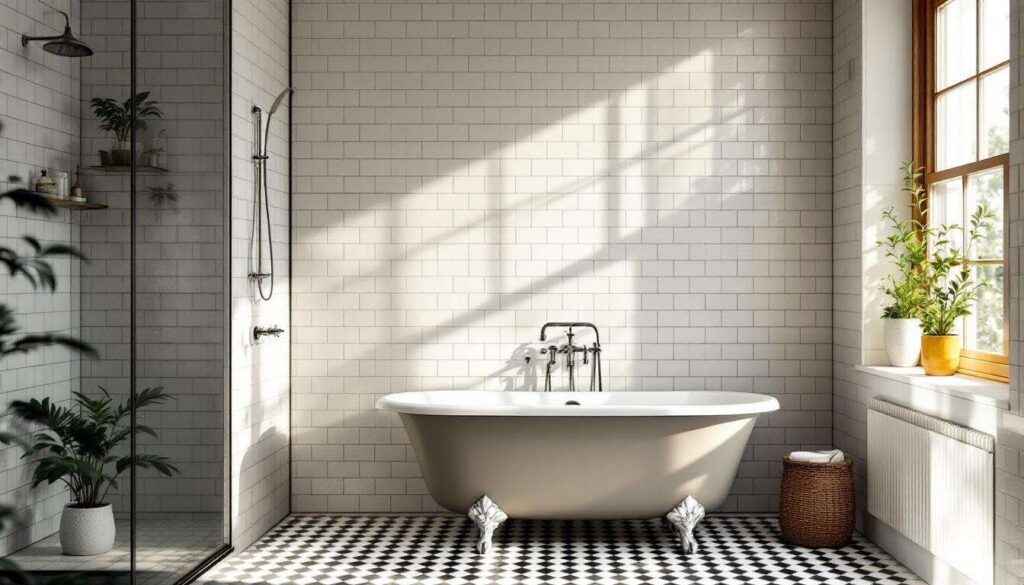
Bathroom design has evolved far beyond mere functionality, transforming these intimate spaces into personal sanctuaries that reflect individual style and aesthetic preferences. While fixtures and tiles often receive the most attention during renovations, one element frequently overlooked is the shower enclosure. Traditional shower curtains, though practical, can detract from the overall ambiance and require constant maintenance to prevent mold and mildew buildup. For homeowners seeking to infuse character and charm into their bathrooms, exploring retro solutions offers a refreshing departure from conventional options.
The retro trend in bathroom decor
The resurgence of vintage aesthetics in interior design has captivated homeowners and designers alike, with bathrooms becoming prime canvases for nostalgic expression. This movement draws inspiration from multiple eras, celebrating the bold patterns of the 1970s, the geometric precision of Art Deco, and the streamlined elegance of mid-century modern design. The appeal lies not merely in replicating past styles but in reinterpreting them through a contemporary lens.
Nostalgia as a design driver
Design professionals have observed that emotional connections to bygone eras significantly influence current decorating choices. This phenomenon transcends generational boundaries, as individuals gravitate toward styles they never personally experienced but find aesthetically compelling. The bathroom, traditionally a utilitarian space, now serves as an opportunity to showcase personality through carefully curated vintage elements that evoke warmth and authenticity.
Popular retro bathroom elements
Beyond shower enclosures, several vintage-inspired features have gained traction in modern bathroom renovations:
- Pedestal sinks with ornate detailing reminiscent of early twentieth-century design
- Checkerboard floor tiles in classic black and white configurations
- Exposed brass or copper plumbing fixtures with patinated finishes
- Freestanding clawfoot tubs that command attention as focal points
- Subway tiles arranged in traditional brick patterns
These elements create cohesive visual narratives that transport occupants to different time periods while maintaining contemporary comfort standards. The challenge becomes selecting which retro components will deliver maximum impact without overwhelming the space.
The advantages of vintage shower curtains
While glass blocks and other permanent installations offer compelling alternatives, vintage-style shower curtains provide unique benefits that deserve consideration. These textile solutions combine practicality with aesthetic versatility, allowing for seasonal updates and personal expression without significant financial investment.
Design flexibility and affordability
Retro shower curtains offer an accessible entry point for homeowners hesitant to commit to permanent renovations. Unlike structural changes that require professional installation, curtains can be changed easily, enabling experimentation with different patterns, colors, and styles. This flexibility proves particularly valuable for renters or those who enjoy refreshing their decor regularly.
Authentic patterns and motifs
Contemporary manufacturers have embraced retro aesthetics, producing shower curtains that faithfully reproduce period-appropriate designs:
- Psychedelic florals and geometric patterns from the 1960s and 1970s
- Art Deco fan motifs and chevron designs
- Atomic age starburst patterns and boomerang shapes
- Pastel color palettes characteristic of 1950s bathrooms
- Tropical and tiki-inspired prints popular in mid-century design
These authentic reproductions allow homeowners to achieve historically accurate looks while benefiting from modern materials engineered for moisture resistance and durability. Understanding material composition becomes essential when selecting curtains that will withstand daily use.
How to choose the ideal material for your retro curtain
Material selection directly impacts both the longevity and maintenance requirements of vintage shower curtains. Different fabrics offer distinct advantages depending on usage patterns, ventilation conditions, and aesthetic priorities.
Natural versus synthetic fibers
The debate between natural and synthetic materials involves weighing authenticity against practicality. Cotton and linen curtains provide authentic vintage appeal and environmental benefits but require diligent care to prevent water damage and mildew formation. Synthetic options like polyester and nylon resist moisture more effectively while maintaining vibrant colors through repeated washings.
Material comparison for retro curtains
| Material | Water Resistance | Durability | Maintenance Level | Authenticity |
|---|---|---|---|---|
| Cotton | Low | Medium | High | Excellent |
| Polyester | High | High | Low | Good |
| Vinyl/PEVA | Excellent | Medium | Very Low | Fair |
| Linen Blend | Medium | High | Medium | Very Good |
For optimal results, many designers recommend fabric outer curtains paired with waterproof liners, combining aesthetic appeal with practical protection. This dual-layer approach preserves decorative fabrics while ensuring effective water containment. Proper installation techniques maximize the effectiveness of any material choice.
Tips for installing a retro shower curtain
Successful installation extends beyond simply hanging fabric on a rod. Thoughtful execution ensures both functional performance and visual harmony within the broader bathroom design.
Rod selection and placement
The curtain rod serves as both functional hardware and decorative element. Period-appropriate options include:
- Brass or bronze tension rods with ornate finials
- Curved shower rods that create additional interior space
- Industrial-style pipe rods for urban vintage aesthetics
- Chrome fixtures that complement mid-century modern themes
Mounting height significantly affects perceived ceiling height and overall proportions. Installing rods closer to the ceiling creates vertical emphasis, making compact bathrooms feel more spacious.
Proper length and width measurements
Accurate measurements prevent common installation errors. Curtain width should measure one and a half to two times the rod length to achieve appropriate fullness and pleating. Length depends on desired aesthetic: floor-length curtains create drama and formality, while shorter versions offer casual charm and practical benefits in smaller spaces. These installation considerations naturally lead to questions about integrating vintage elements within contemporary contexts.
Integrating retro elements into a modern bathroom
Successfully blending vintage and contemporary design requires balancing nostalgic references with modern functionality. The goal involves creating cohesive spaces that feel intentional rather than haphazard collections of disparate elements.
The principle of selective emphasis
Design professionals recommend the 60-30-10 rule for mixing styles: sixty percent modern elements, thirty percent transitional pieces, and ten percent bold vintage statements. This proportion prevents retro components from overwhelming spaces while ensuring they make meaningful contributions to overall aesthetics.
Complementary modern features
Certain contemporary elements enhance rather than compete with vintage shower curtains:
- Minimalist floating vanities that provide visual contrast
- Frameless mirrors that maintain clean sightlines
- Recessed lighting that illuminates without visual clutter
- Neutral wall colors that allow patterned curtains to shine
- Streamlined storage solutions that reduce visual complexity
This balanced approach creates dynamic tension between old and new, resulting in bathrooms that feel both fresh and familiar. Maintaining these carefully curated spaces requires understanding proper care techniques.
Maintenance and durability of vintage shower curtains
Preserving the appearance and functionality of retro shower curtains demands regular attention and appropriate cleaning methods. Different materials require tailored maintenance approaches to maximize lifespan while preventing common deterioration issues.
Cleaning frequency and methods
Fabric curtains benefit from monthly machine washing using gentle cycles and mild detergents. Adding white vinegar to rinse cycles helps prevent mildew formation and removes soap residue. Vinyl and plastic curtains can be wiped down weekly with diluted bleach solutions or sprayed with mildew-preventive treatments.
Extending curtain lifespan
Several practices significantly prolong curtain durability:
- Ensuring adequate bathroom ventilation through exhaust fans or open windows
- Spreading curtains fully after each shower to promote air circulation
- Rotating between multiple curtains to reduce wear on individual pieces
- Addressing stains and mildew spots immediately upon detection
- Storing seasonal curtains in cool, dry locations when not in use
Investment in quality materials and consistent maintenance routines transforms shower curtains from disposable accessories into enduring design elements that continue delivering aesthetic value for years.
Embracing retro shower solutions offers homeowners practical alternatives to conventional bathroom design while celebrating the aesthetic richness of past eras. Whether selecting vintage-patterned curtains or exploring architectural elements like glass blocks, these choices transform utilitarian spaces into personalized retreats. The key lies in thoughtful material selection, proper installation, and balanced integration with contemporary features. With appropriate maintenance, retro bathroom elements provide lasting beauty that transcends fleeting trends, creating environments that feel both timeless and distinctly individual.