



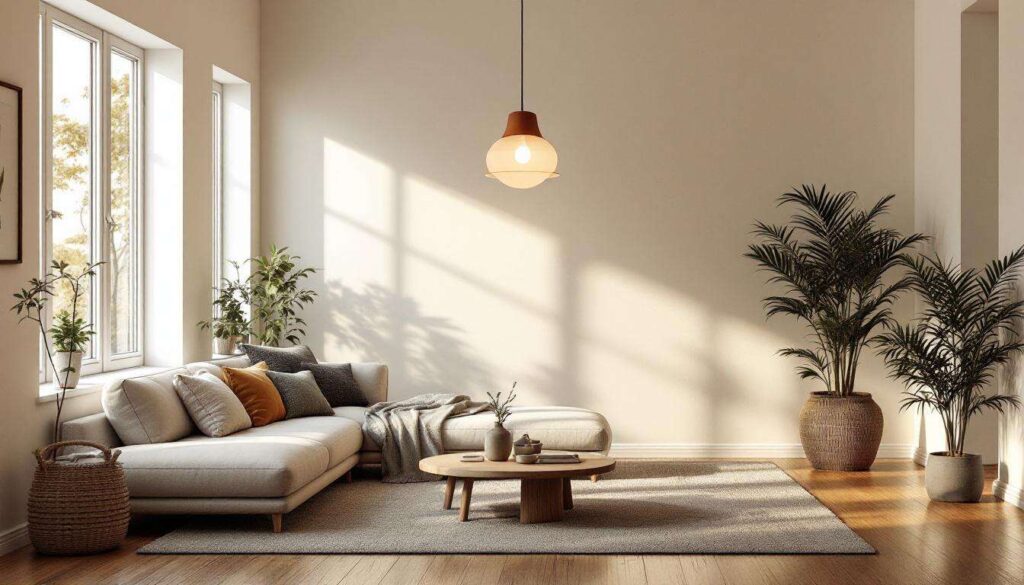
Lighting technology continues to evolve at a rapid pace, bringing fresh possibilities to interior spaces that were once limited to conventional bulbs and fixtures. While LED lights have dominated the market for years due to their energy efficiency and longevity, a groundbreaking alternative is now challenging their supremacy. OLED technology represents a paradigm shift in how we illuminate our homes, offering unprecedented design flexibility and a quality of light that closely resembles natural daylight. Beyond this technological advancement, homeowners are discovering innovative strategies to maximize brightness through thoughtful furniture placement, strategic use of reflective surfaces, and careful bulb selection. These combined approaches are reshaping our understanding of what it means to create a well-lit, inviting living environment.
OLEDs, a revolution for interior decoration
Understanding OLED technology and its unique properties
Organic Light Emitting Diodes represent a fundamental departure from traditional lighting solutions. Unlike LEDs that rely on point sources of light requiring diffusers and reflectors, OLEDs emit light across their entire surface area. This characteristic produces an exceptionally uniform illumination without harsh shadows or glare points. The technology utilizes thin layers of organic compounds that emit light when electricity passes through them, creating panels that can be as slim as a few millimeters thick.
The flexibility of OLED panels opens remarkable design possibilities that were previously impossible with rigid lighting fixtures. These panels can be manufactured on flexible substrates, allowing them to curve around architectural features or integrate seamlessly into furniture pieces. Designers can now incorporate lighting directly into wall coverings, ceiling treatments, and decorative elements without the visual interruption of traditional fixtures.
Color rendering and ambiance creation
One of the most compelling advantages of OLED technology lies in its superior color rendering capabilities. These lights produce a spectrum that closely mimics natural daylight, with a Color Rendering Index often exceeding 90. This quality ensures that colors appear true and vibrant, making OLEDs particularly valuable in spaces where accurate color perception matters, such as:
- Art studios and galleries where color accuracy is essential
- Kitchens where food preparation benefits from natural-looking illumination
- Dressing areas where clothing colors need to appear as they will in daylight
- Home offices where eye strain reduction improves productivity
The diffused nature of OLED light creates an ambient glow rather than directional beams, resulting in spaces that feel naturally illuminated without obvious light sources. This characteristic makes rooms appear larger and more open while maintaining a warm, inviting atmosphere that harsh LED spotlights often fail to achieve.
These aesthetic and functional benefits naturally lead to considerations about the broader impact of our lighting choices on the environment.
The environmental advantages of OLEDs
Energy consumption and efficiency metrics
OLED technology delivers impressive energy efficiency that surpasses many conventional lighting solutions. While LEDs have long been celebrated for their low power consumption, OLEDs achieve comparable or better efficiency ratings while providing superior light quality. The absence of heat-generating components means that nearly all consumed energy converts directly to visible light rather than wasted thermal energy.
| Lighting Type | Average Lifespan (hours) | Energy Efficiency | Heat Generation |
|---|---|---|---|
| Incandescent | 1,000 | Low | High |
| LED | 25,000 | High | Moderate |
| OLED | 30,000 | Very High | Minimal |
Sustainable materials and manufacturing processes
The production of OLED panels increasingly incorporates sustainable manufacturing practices and materials. Unlike traditional bulbs that contain mercury or other hazardous substances, OLEDs utilize organic compounds that pose fewer environmental risks. The thin, lightweight construction requires less raw material, reducing the carbon footprint associated with production and transportation.
Additionally, the longevity of OLED panels means fewer replacements over time, resulting in reduced waste generation. When panels do reach the end of their functional life, the materials can often be recycled more easily than the complex assemblies found in conventional light fixtures.
Understanding these environmental benefits helps inform decisions about implementing innovative lighting approaches throughout living spaces.
Avant-garde design solutions to illuminate your interior
Architectural integration of light sources
Contemporary design increasingly treats lighting as an integral architectural element rather than an afterthought. This approach involves embedding light sources within structural components, creating seamless illumination that enhances spatial perception. Techniques include installing LED strips within recessed ceiling details, incorporating backlit panels behind translucent materials, and using edge-lighting techniques to make surfaces appear to glow from within.
Layered lighting strategies combine multiple sources at different heights and intensities to create dynamic, adjustable environments. This methodology typically includes:
- Ambient lighting that provides overall illumination
- Task lighting focused on specific work areas
- Accent lighting that highlights architectural features or artwork
- Decorative lighting that serves as visual focal points
Smart lighting systems and automation
Modern lighting control systems enable unprecedented customization of interior environments. Smart bulbs and fixtures can adjust color temperature throughout the day, mimicking natural light patterns to support circadian rhythms. Automated systems can respond to occupancy, ambient light levels, and user preferences, optimizing both comfort and energy efficiency without requiring manual intervention.
These technological advances complement physical design strategies that leverage existing elements within your space.
Using furniture as a light source
Illuminated furniture concepts
The boundary between furniture and lighting continues to blur as designers create pieces that serve both functions simultaneously. Illuminated furniture ranges from subtly backlit shelving units to statement pieces like glowing coffee tables or bedside tables with integrated lighting. These hybrid designs eliminate the need for separate lamps while creating unique visual effects that enhance room aesthetics.
Translucent materials such as frosted acrylic, resin, or specialized glass allow light to diffuse through furniture surfaces, creating soft ambient illumination that contributes to overall room brightness without harsh glare. This approach works particularly well in smaller spaces where traditional floor or table lamps would consume valuable square footage.
Strategic furniture placement for light distribution
The arrangement of furniture significantly impacts how light travels through a room. Positioning reflective or light-colored furniture pieces near windows or primary light sources helps bounce illumination into darker corners. Low-profile furniture prevents light blockage, allowing natural and artificial light to flow freely throughout the space.
Creating clear pathways for light movement involves considering furniture height, density, and surface characteristics when planning room layouts. This strategic approach maximizes the effectiveness of existing light sources before adding supplementary fixtures.
Beyond furniture considerations, selecting appropriate bulbs remains fundamental to achieving optimal illumination.
The art of choosing suitable bulbs
Understanding color temperature and brightness levels
Color temperature, measured in Kelvin, dramatically affects the mood and functionality of illuminated spaces. Warm light (2700-3000K) creates cozy, relaxing environments ideal for living rooms and bedrooms, while cool light (5000-6500K) promotes alertness and concentration in workspaces. Neutral temperatures (3500-4100K) offer versatility for multipurpose areas.
Brightness requirements vary based on room function and personal preference. Measured in lumens rather than watts, appropriate brightness levels ensure comfortable visibility without eye strain. General guidelines suggest:
- Living rooms: 1,500-3,000 lumens
- Kitchens: 5,000-10,000 lumens
- Bedrooms: 2,000-4,000 lumens
- Bathrooms: 4,000-8,000 lumens
Matching bulbs to fixtures and purposes
Different fixtures require specific bulb types to function optimally and safely. Enclosed fixtures need bulbs rated for such use to prevent overheating, while dimmable fixtures require compatible bulbs to avoid flickering or buzzing. Directional bulbs work best in recessed cans and track lighting, whereas omnidirectional bulbs suit table lamps and pendant fixtures.
Specialty bulbs address unique needs, including daylight-spectrum bulbs for plant growth, vintage-style Edison bulbs for decorative purposes, and color-changing bulbs for entertainment spaces. Selecting appropriate bulbs for each application ensures both aesthetic satisfaction and functional performance.
Artificial lighting works most effectively when complementing and enhancing available natural light.
Maximizing natural light with mirrors and windows
Strategic mirror placement techniques
Mirrors function as powerful light multipliers when positioned to reflect natural or artificial light sources. Placing large mirrors opposite windows captures incoming daylight and redirects it throughout the room, effectively doubling the perceived light levels. Positioning mirrors adjacent to light sources at angles creates interesting light patterns while distributing illumination to previously dark areas.
Multiple smaller mirrors arranged in clusters or gallery walls can achieve similar effects while adding decorative interest. Mirrored furniture, accessories, and architectural elements like mirrored backsplashes contribute to overall brightness without the visual weight of traditional mirrors.
Window treatments and optimization
Window treatments significantly influence how much natural light enters interior spaces. Sheer curtains, light-filtering shades, and translucent panels allow daylight penetration while maintaining privacy. Mounting curtain rods higher and wider than window frames creates the illusion of larger windows and permits maximum light entry when treatments are open.
Keeping windows clean and unobstructed ensures optimal light transmission. Removing heavy drapes, replacing dark window frames with lighter colors, and trimming exterior vegetation that blocks sunlight are simple yet effective strategies for increasing natural illumination.
The evolution of lighting technology, particularly the emergence of OLED solutions, combined with thoughtful design strategies offers homeowners unprecedented control over their interior environments. From selecting appropriate bulbs and strategically placing furniture to maximizing natural light through mirrors and window optimization, multiple approaches work synergistically to create bright, welcoming spaces. As technology continues advancing and design philosophies evolve, the possibilities for illuminating our homes will only expand, providing ever more sophisticated tools for crafting the perfect ambiance in every room.