



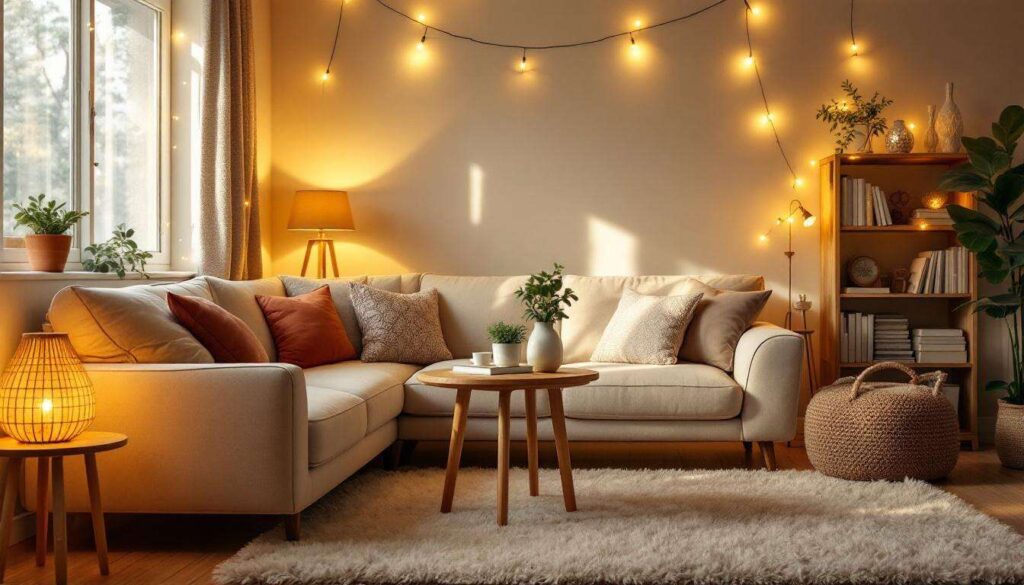
Creating a cozy and inviting atmosphere at home often comes down to one critical element: lighting. The right lighting choices can dramatically transform a cold, sterile space into a warm sanctuary where you feel comfortable and relaxed. Whether you’re looking to enhance your living room, bedroom, or entire home, strategic lighting decisions can make all the difference. From selecting the proper bulbs to layering light sources thoughtfully, these techniques offer practical solutions for anyone seeking to infuse their space with warmth and comfort.
Adopt warm light bulbs
Understanding color temperature
The secret to creating a warm ambiance starts with selecting bulbs with the right color temperature. Measured in Kelvin (K), color temperature determines whether light appears warm or cool. Bulbs ranging from 1500K to 3000K produce a warm, golden glow that mimics the natural light of candles or a sunset. This type of lighting creates an immediate sense of comfort and relaxation, making it ideal for spaces where you unwind, such as living rooms and bedrooms.
Choosing the right bulb type
When shopping for warm bulbs, consider these options:
- LED bulbs labeled as “warm white” or “soft white”
- Vintage-style Edison bulbs for decorative warmth
- Dimmable options that allow you to adjust intensity
- Smart bulbs that let you customize color temperature throughout the day
The psychological impact of warm lighting cannot be overstated. Studies consistently show that warm-toned light positively influences mood and creates environments conducive to relaxation and social interaction. By replacing harsh, cool-toned bulbs with warmer alternatives, you can instantly transform the feel of any room.
Understanding these fundamentals of color temperature sets the stage for exploring how specific fixtures and shades can further enhance your home’s warmth.
Opt for fabric lampshades
The diffusion advantage
The material of your lampshades plays a surprisingly significant role in creating ambiance. Fabric lampshades excel at diffusing light evenly, softening harsh glare and creating a gentle, welcoming glow throughout the room. Unlike plastic or metal shades that can produce sharp shadows and cold reflections, fabric materials filter light in a way that feels naturally warm and inviting.
Material choices matter
Different fabric types offer varying levels of light diffusion:
- Linen shades provide a textured, natural appearance with excellent light softening
- Cotton shades offer versatility and come in numerous colors and patterns
- Silk shades create an elegant, luxurious feel with superior light diffusion
- Burlap or jute shades add rustic warmth and organic texture
The color of your fabric shade also impacts the quality of light. Cream, beige, and warm earth tones enhance the warmth of your bulbs, while cooler colors can neutralize some of that cozy effect. Consider how the shade color interacts with your bulb’s color temperature to achieve the desired result.
| Shade Material | Light Diffusion | Warmth Level |
|---|---|---|
| Fabric (linen, cotton) | Excellent | High |
| Plastic | Poor | Low |
| Metal | Minimal | Low |
| Paper | Good | Medium |
With the right shades in place, the next step involves thinking about how multiple light sources can work together to create depth and dimension.
Layer lighting sources at different heights
Creating visual depth
Layering light sources at various heights is one of the most effective techniques for adding warmth and dimension to any space. Rather than relying on a single overhead fixture, incorporating multiple light sources creates a more dynamic and inviting environment. This approach mimics natural lighting patterns and prevents the flat, institutional feel that comes from single-source illumination.
Strategic placement techniques
Consider incorporating these lighting layers:
- Floor lamps positioned in corners to eliminate dark spaces
- Table lamps on side tables, desks, or console tables at mid-level
- Wall sconces that provide ambient lighting at eye level
- Pendant lights or chandeliers for overhead illumination
- Accent lights to highlight artwork, plants, or architectural features
The key is to distribute light sources throughout the room rather than concentrating them in one area. This creates pockets of warmth and encourages people to gather in different spaces. Accent lighting, in particular, adds character by drawing attention to specific elements you want to showcase, whether that’sa favorite painting, a bookshelf, or a decorative object.
Balancing ambient and task lighting
Each layer serves a specific purpose. Ambient lighting provides overall illumination, task lighting supports specific activities like reading or cooking, and accent lighting adds visual interest. When these layers work together harmoniously, they create a rich, warm atmosphere that feels both functional and inviting.
Once you’ve established multiple light sources, ensuring they work together cohesively becomes the next important consideration.
Harmonize lighting for a uniform ambiance
Consistency is key
While variety in lighting placement is important, maintaining consistency in color temperature and style prevents visual discord. When different fixtures produce vastly different light qualities, the result can feel chaotic rather than cozy. Aim for uniformity by selecting bulbs with similar Kelvin ratings across all your fixtures.
Creating flow between rooms
Consider how lighting transitions from one space to another:
- Use similar color temperatures in adjacent rooms
- Maintain consistent brightness levels in connecting spaces
- Choose fixture styles that complement each other
- Avoid dramatic shifts from warm to cool lighting
This doesn’t mean every fixture must be identical, but they should share a cohesive aesthetic and light quality. For example, if your living room features warm, 2700K lighting, avoid installing bright, 5000K bulbs in the adjoining hallway. The jarring contrast will disrupt the warm atmosphere you’ve worked to create.
Adjusting for room function
While maintaining overall consistency, you can make subtle adjustments based on room purpose. Bedrooms might benefit from slightly warmer tones than kitchens, but keeping variations minimal ensures your home feels cohesive. Using dimmers allows you to adjust intensity while maintaining color temperature, offering flexibility without sacrificing harmony.
With a harmonized lighting scheme in place, incorporating natural elements can further enhance the warmth and character of your space.
Introduce natural and warm elements
Amber and tinted bulbs
Taking warmth to the next level involves incorporating amber or tinted bulbs in key fixtures. These specialty bulbs add a soft, golden hue that instantly makes spaces feel more intimate and inviting. Amber bulbs work particularly well in decorative fixtures, pendant lights, or exposed bulb designs where the bulb itself becomes part of the aesthetic.
Natural material integration
Pairing your lighting with natural materials amplifies the warm effect:
- Wooden lamp bases that add organic texture
- Rattan or wicker fixtures for bohemian warmth
- Stone or ceramic bases that ground the space
- Brass or copper finishes that reflect warm tones
These materials don’t just support your lighting; they interact with it. Wood grains catch and reflect warm light beautifully, while metallic finishes in warm tones amplify the golden glow. The combination of appropriate bulbs and thoughtfully chosen fixtures creates a synergistic effect that maximizes warmth and comfort.
Complementary decor elements
Consider how other elements in your room support your lighting choices. Warm-toned textiles, wooden furniture, and earth-toned accessories all work together with your lighting to create a cohesive, inviting atmosphere. The lighting becomes part of a larger design strategy focused on comfort and warmth.
Transforming your home’s atmosphere through lighting is both an art and a science. By carefully selecting warm bulbs, choosing fabric lampshades that diffuse light gently, layering sources at various heights, maintaining harmony across spaces, and incorporating natural elements, you create an environment that feels genuinely welcoming. These five techniques work together to combat the coldness that can plague modern interiors, replacing it with the kind of warmth that makes a house feel like home. The investment in proper lighting pays dividends in comfort, mood, and the overall enjoyment of your living space.