


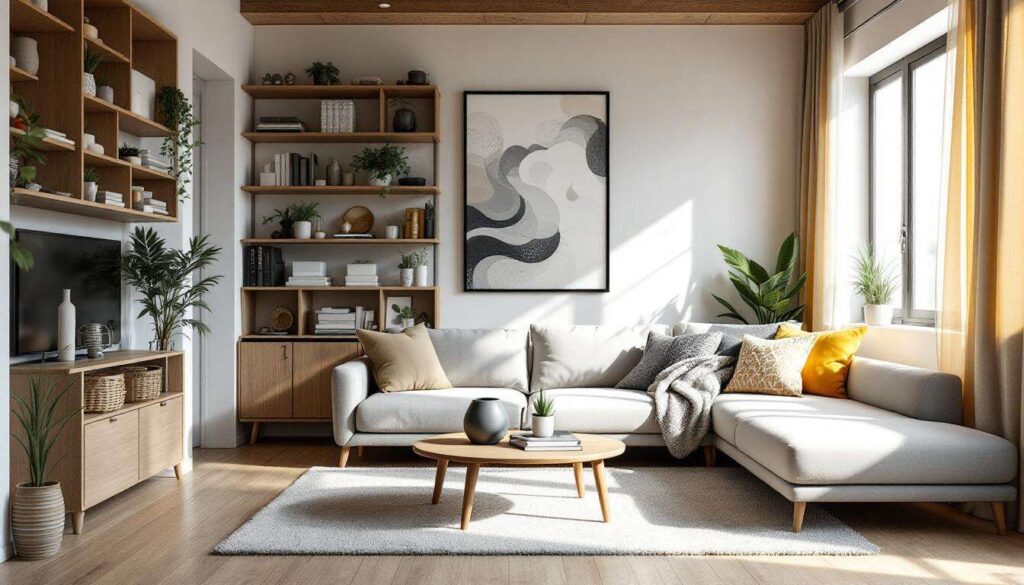
Transforming a compact living area into a stylish and functional haven requires strategic planning and creative design solutions. Small rooms present unique challenges, but with the right approach, they can become some of the most charming and efficient spaces in any home. Designers have developed numerous techniques that maximize every square inch while maintaining aesthetic appeal and comfort. From multipurpose furniture to clever color schemes, these proven strategies help homeowners make the most of limited square footage without sacrificing style or livability.
Optimizing space with versatile furniture
Multifunctional pieces that serve double duty
Furniture selection becomes critical when working with limited space. Designers recommend investing in pieces that serve multiple purposes simultaneously. A sofa bed transforms a living room into a guest bedroom within minutes, while an ottoman with hidden storage provides seating and organization. Coffee tables with lift-top mechanisms create instant workspaces, and dining tables with drop leaves expand when needed but remain compact during daily use.
Built-in solutions for seamless integration
Custom built-in furniture eliminates awkward gaps and maximizes every available inch. Banquette seating with integrated storage underneath provides dining space while hiding seasonal items or extra linens. Murphy beds fold into walls, instantly converting bedrooms into home offices or exercise areas. Window seats with lift-up cushions offer cozy reading nooks while concealing books, toys, or household supplies.
| Furniture Type | Space Saved | Additional Function |
|---|---|---|
| Murphy Bed | 25-30 sq ft | Desk/Workspace |
| Ottoman Storage | 4-6 sq ft | Seating/Table |
| Extendable Table | 10-15 sq ft | Dining/Work Surface |
Furniture with transparent or minimal profiles
Choosing furniture with transparent materials or slim profiles helps maintain visual openness. Acrylic chairs and glass tables allow light to pass through, creating an airy atmosphere. Furniture with exposed legs rather than solid bases prevents visual heaviness and makes floors appear more expansive. Nesting tables provide flexibility, offering multiple surfaces when entertaining but consolidating into a single footprint when not in use.
Beyond furniture selection, vertical space offers tremendous potential for expanding storage capacity without consuming precious floor area.
Utilizing height with wall storage
Floor-to-ceiling shelving systems
Vertical storage draws the eye upward while providing abundant organization options. Floor-to-ceiling bookshelves create dramatic focal points and house extensive collections without encroaching on living space. Open shelving in kitchens displays dishes and glassware while keeping essentials within easy reach. Installing shelves above doorways captures otherwise wasted space for storing items used less frequently.
Wall-mounted solutions and floating elements
Wall-mounted desks, floating nightstands, and suspended cabinets free up floor space while maintaining full functionality. These installations create clean lines and make cleaning easier since floors remain unobstructed. Pegboard systems offer customizable storage in kitchens, offices, and craft rooms, adapting as needs change over time.
- Floating shelves for displaying decorative items and books
- Wall-mounted TV units that eliminate bulky entertainment centers
- Hanging organizers for closets and pantries
- Magnetic strips for knife storage in compact kitchens
- Wall hooks for bags, coats, and accessories
Overhead storage opportunities
Ceiling-mounted pot racks in kitchens showcase cookware while clearing cabinet space. Overhead garage-style storage in closets holds seasonal clothing and luggage. Installing a shelf above the bathroom door provides space for extra towels and toiletries without requiring wall space or floor area.
Strategic storage solutions work hand-in-hand with thoughtful color and lighting choices to enhance spatial perception.
Playing with colors and lights
Light color palettes for spatial expansion
Pale hues reflect light and create an impression of openness. Whites, creams, and soft pastels make walls recede visually, expanding perceived room dimensions. Monochromatic color schemes eliminate visual breaks that fragment space, creating seamless flow throughout a room. Painting trim and walls the same shade further enhances this continuity.
Strategic use of darker tones
While counterintuitive, darker colors can add depth when applied thoughtfully. Painting one accent wall in a rich hue creates dimension without overwhelming the space. Dark ceilings can make rooms feel cozier and more intimate, particularly in bedrooms. Using darker shades on lower portions of walls with lighter tones above draws the eye upward, emphasizing height.
| Color Strategy | Visual Effect | Best Application |
|---|---|---|
| All White | Maximum Brightness | Studios, Bathrooms |
| Monochromatic | Seamless Flow | Open Floor Plans |
| Dark Accent Wall | Added Depth | Bedrooms, Living Rooms |
Layered lighting for ambiance and function
Multiple light sources at different heights create depth and eliminate harsh shadows. Ambient lighting provides overall illumination, task lighting serves specific work areas, and accent lighting highlights architectural features or artwork. Dimmer switches allow adjustment based on time of day and activity, making spaces feel larger and more adaptable.
Well-lit spaces with thoughtful color schemes provide the perfect foundation for creating specialized functional areas within small rooms.
Creating cozy and functional nooks
Defining zones without walls
Area rugs delineate distinct spaces within open layouts, creating visual boundaries between living, dining, and sleeping areas. Furniture arrangement establishes zones, with bookcases or screens serving as room dividers that maintain openness while providing definition. Different lighting in each zone reinforces separation without physical barriers.
Window seats and reading corners
Transforming underutilized spaces into purposeful nooks adds character and functionality. Window seats with cushions and throw pillows create inviting reading spots while incorporating hidden storage below. Corner spaces become cozy breakfast nooks with small tables and built-in benches, maximizing awkward areas that might otherwise remain empty.
- Under-stair nooks converted into mini offices or reading areas
- Closet conversions into compact workstations
- Alcove beds that feel like private retreats
- Bay window transformations into dining spaces
Compact workspace solutions
With remote work becoming commonplace, dedicated work areas are essential even in small homes. Wall-mounted fold-down desks provide full functionality when needed but disappear when not in use. Secretary desks close to conceal work materials, maintaining clean aesthetics in multipurpose rooms. Corner desks maximize space efficiency while offering adequate work surfaces.
These functional zones benefit tremendously from strategic mirror placement that amplifies both space and light.
Using mirrors to enlarge the room
Placement strategies for maximum impact
Mirror positioning dramatically affects spatial perception. Placing mirrors opposite windows reflects natural light throughout the room, doubling illumination and creating airiness. Floor-to-ceiling mirrors on one wall visually double room dimensions, particularly effective in narrow hallways or small bedrooms. Mirrored closet doors serve dual purposes, providing necessary reflection while concealing storage.
Decorative mirror arrangements
Gallery walls featuring multiple mirrors in varying shapes and sizes add visual interest while expanding space. Round mirrors soften angular rooms and create focal points without overwhelming compact areas. Antiqued or beveled mirrors introduce texture and depth, serving as both functional items and decorative artwork.
| Mirror Type | Ideal Location | Primary Benefit |
|---|---|---|
| Full-Length | Behind Doors | Space Doubling |
| Round Decorative | Above Furniture | Focal Point |
| Mirrored Furniture | Any Room | Light Reflection |
Mirrored furniture and surfaces
Reflective furniture pieces multiply light sources and create visual intrigue. Mirrored nightstands, coffee tables, and console tables introduce glamour while maintaining spatial openness. Metallic finishes on hardware, light fixtures, and accessories provide similar reflective benefits on a smaller scale, catching and bouncing light throughout the room.
While mirrors enhance artificial lighting effects, nothing compares to the transformative power of natural illumination.
Highlighting natural light and its advantages
Maximizing window exposure
Window treatments significantly impact light penetration. Sheer curtains filter harsh sunlight while maintaining brightness and privacy. Mounting curtain rods close to the ceiling and extending them beyond window frames creates the illusion of larger windows and taller walls. Avoiding heavy drapes prevents light blockage and maintains visual lightness.
Removing obstacles to light flow
Furniture placement should never obstruct natural light paths. Keeping window areas clear allows sunlight to penetrate deeply into rooms. Low-profile furniture near windows maintains sightlines and light flow. Removing unnecessary window screens when not needed for ventilation increases light transmission by up to fifteen percent.
- Trimming outdoor vegetation that blocks windows
- Using light-colored window frames that reflect rather than absorb light
- Installing skylights or solar tubes in windowless spaces
- Choosing furniture with reflective or light-colored upholstery
Health and psychological benefits
Natural light improves mood, enhances productivity, and regulates circadian rhythms. Rooms flooded with sunlight feel more spacious and welcoming, reducing the claustrophobic sensation that can accompany small spaces. Vitamin D synthesis occurs with sun exposure, supporting overall health even when spending time indoors.
Small spaces demand thoughtful design approaches that balance aesthetics with functionality. By implementing versatile furniture solutions, maximizing vertical storage, employing strategic color and lighting choices, creating purposeful nooks, incorporating mirrors, and emphasizing natural light, even the most compact rooms transform into comfortable and stylish living environments. These designer-approved techniques prove that square footage limitations need not compromise quality of life or personal style. With creativity and intentional planning, small spaces become efficient, beautiful sanctuaries that meet all practical needs while reflecting individual taste and personality.