



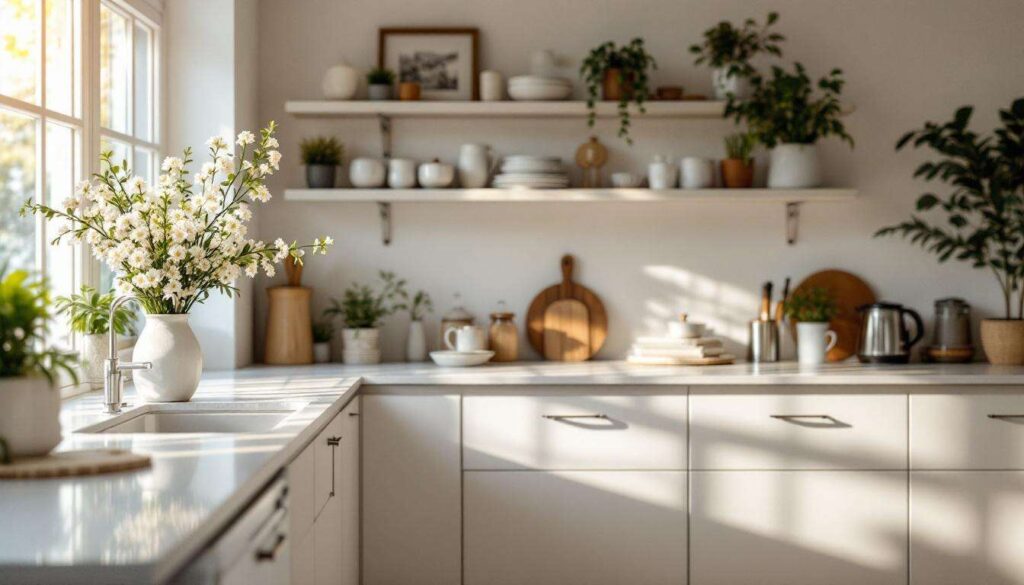
A clean and organized home sets the foundation for a productive and peaceful lifestyle. Whether you’re looking to refresh your living space or establish better habits, implementing smart cleaning strategies can transform your daily routine. These twelve practical tips will help you create a more efficient, sustainable, and enjoyable approach to maintaining your home.
Tips for organizing your cleaning space
Creating a dedicated cleaning station
Establishing a centralized cleaning hub streamlines your entire housekeeping process. Designate a specific closet, cabinet, or storage area where all your cleaning supplies live together. This approach eliminates the frustration of searching for products scattered throughout your home and significantly reduces the time spent on each cleaning task.
Your cleaning station should include:
- A sturdy caddy or bucket for transporting supplies between rooms
- Clearly labeled containers for different product categories
- Microfiber cloths organized by color for specific purposes
- Gloves, brushes, and specialized tools within easy reach
- A small inventory list to track items needing replacement
Implementing the zone system
The zone cleaning method divides your home into manageable sections, each with its own supply kit. This strategy prevents unnecessary trips back and forth to your main cleaning station. Consider creating mini-kits for bathrooms, kitchens, and bedrooms, stocked with the essentials needed for each specific area.
| Zone | Essential Supplies | Frequency |
|---|---|---|
| Kitchen | Degreaser, dish soap, disinfectant | Daily |
| Bathroom | Tile cleaner, toilet bowl cleaner, glass spray | Weekly |
| Living Areas | Duster, vacuum, furniture polish | Bi-weekly |
With your cleaning space properly organized, the next step involves selecting products that align with both effectiveness and environmental responsibility.
Eco-friendly cleaning products: a sustainable choice
Understanding natural cleaning alternatives
Natural cleaning solutions offer powerful results without the harsh chemicals found in conventional products. Common household items like white vinegar, baking soda, and lemon juice can tackle most cleaning challenges while protecting your family’s health and the environment. These ingredients are biodegradable, non-toxic, and significantly more affordable than commercial cleaners.
DIY cleaning recipes that work
Creating your own homemade cleaning products gives you complete control over ingredients while reducing plastic waste. Here are proven formulas for everyday cleaning needs:
- All-purpose cleaner: mix equal parts water and white vinegar with ten drops of essential oil
- Glass cleaner: combine two cups water, half cup vinegar, and quarter cup rubbing alcohol
- Scouring powder: blend one cup baking soda with half cup salt and twenty drops tea tree oil
- Floor cleaner: add quarter cup vinegar and two tablespoons castile soap to one gallon warm water
Choosing certified green products
When purchasing ready-made cleaners, look for third-party certifications like EPA Safer Choice, Green Seal, or EcoLogo. These labels guarantee that products meet rigorous environmental and health standards. Additionally, opt for concentrated formulas that require dilution, reducing packaging waste and transportation emissions.
Once you’ve equipped yourself with the right products, applying them effectively to challenging surfaces becomes the next priority.
Easy methods for cleaning stubborn surfaces
Tackling grease and grime buildup
Kitchen grease presents one of the most persistent cleaning challenges. For stovetops and range hoods, create a paste using baking soda and dish soap, apply generously, and let it sit for fifteen minutes before scrubbing with a non-abrasive sponge. The combination of alkaline baking soda and degreasing soap breaks down oil molecules effectively.
Removing hard water stains and soap scum
Mineral deposits on faucets, showerheads, and glass doors require acidic solutions for removal. Soak a cloth in white vinegar and wrap it around affected fixtures for thirty minutes. For shower doors, spray undiluted vinegar, let it work for ten minutes, then scrub with a brush and rinse thoroughly.
Restoring tile and grout appearance
Discolored grout responds well to a targeted approach. Mix hydrogen peroxide with baking soda to form a thick paste, apply directly to grout lines, and allow it to sit for ten minutes. Use a stiff-bristled brush or old toothbrush to scrub in circular motions, then rinse with clean water.
- Test cleaning solutions on inconspicuous areas first
- Work from top to bottom to avoid re-cleaning surfaces
- Use separate tools for different areas to prevent cross-contamination
- Allow adequate dwell time for products to work effectively
Mastering these techniques for difficult surfaces naturally leads to developing a comprehensive approach that maximizes efficiency throughout your entire home.
Optimizing your cleaning routine
Establishing a realistic schedule
A sustainable cleaning routine balances thoroughness with time constraints. Rather than attempting marathon cleaning sessions, distribute tasks throughout the week based on priority and frequency requirements. This approach prevents burnout and maintains consistent cleanliness levels.
| Task Type | Recommended Frequency | Time Required |
|---|---|---|
| Daily tasks | Every day | 15-20 minutes |
| Weekly tasks | Once per week | 2-3 hours |
| Monthly tasks | Once per month | 3-4 hours |
| Seasonal tasks | Quarterly | Full day |
The power of the fifteen-minute reset
Implementing quick daily resets prevents small messes from becoming overwhelming projects. Set a timer for fifteen minutes each evening and focus on high-traffic areas. This habit maintains baseline cleanliness and reduces the need for intensive weekend cleaning sessions.
Leveraging technology and tools
Modern cleaning tools significantly reduce effort and time investment. Robotic vacuums handle daily floor maintenance, steam mops sanitize without chemicals, and cordless vacuums provide convenient spot-cleaning capabilities. Invest in quality tools that match your specific needs and home layout.
An efficient routine works best in spaces free from unnecessary items, making decluttering an essential component of any cleaning strategy.
Effective decluttering techniques
The one-in-one-out principle
Maintaining a clutter-free environment requires ongoing vigilance. Adopt the simple rule that for every new item entering your home, one existing item must leave. This practice prevents accumulation and forces intentional purchasing decisions.
Room-by-room decluttering strategy
Systematic decluttering prevents overwhelm by focusing on one space at a time. Dedicate specific days to individual rooms, sorting items into four categories: keep, donate, sell, and discard. Be honest about what you actually use and what simply occupies valuable space.
- Start with the easiest room to build momentum
- Use the six-month rule for clothing and seasonal items
- Digitize papers and documents whenever possible
- Create designated homes for frequently used items
- Utilize vertical storage solutions to maximize space
Preventing future clutter accumulation
Establish clear boundaries for incoming items by designating specific storage limits for each category. When a drawer, closet, or shelf reaches capacity, something must be removed before adding more. This visual constraint naturally regulates possessions without requiring constant decision-making.
With clutter under control and efficient systems in place, maintaining these improvements throughout the year becomes the final consideration.
Maintaining a fresh and healthy home year-round
Indoor air quality improvements
Air quality directly impacts health and comfort. Open windows regularly to promote air circulation, even during colder months. Incorporate houseplants like snake plants, spider plants, and peace lilies that naturally filter airborne toxins. Replace HVAC filters every three months and consider investing in a quality air purifier for bedrooms and main living areas.
Seasonal deep cleaning priorities
Each season brings specific maintenance requirements that preserve your home’s condition. Spring demands window washing and outdoor space preparation, summer focuses on pest prevention and appliance maintenance, fall requires gutter cleaning and weatherproofing, while winter emphasizes indoor air quality and moisture control.
Building healthy cleaning habits
Consistency trumps intensity when maintaining a clean home. Small daily actions compound into significant results over time. Make beds immediately upon waking, wipe kitchen counters after meal preparation, and address spills immediately rather than allowing them to set.
- Vacuum high-traffic areas twice weekly
- Wash bedding every seven to ten days
- Disinfect frequently touched surfaces daily
- Clean refrigerator shelves monthly
- Rotate and flip mattresses seasonally
Implementing these twelve smart cleaning strategies transforms home maintenance from an overwhelming chore into a manageable routine. By organizing your cleaning space efficiently, choosing sustainable products, mastering techniques for difficult surfaces, optimizing your schedule, decluttering systematically, and maintaining consistent habits, you create an environment that supports health, productivity, and peace of mind. The key lies not in perfection but in establishing realistic systems that adapt to your lifestyle while keeping your living space consistently fresh and welcoming.