



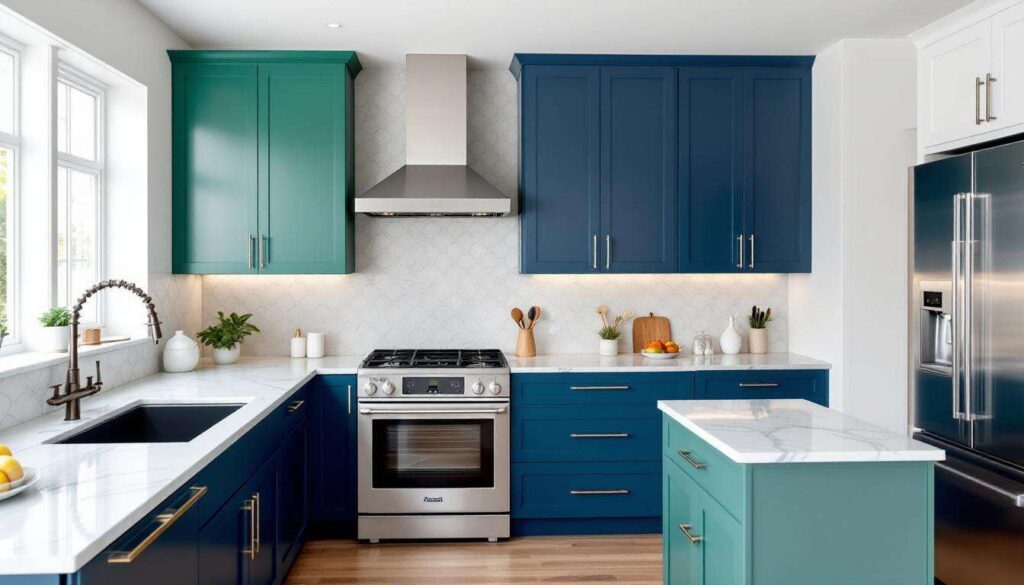
Kitchen cabinets serve as the foundation of any culinary space, and their color can dramatically influence the overall aesthetic and atmosphere. When seeking to elevate a kitchen’s design, selecting the right cabinet color becomes a crucial decision that affects both style and functionality. Professional designers have identified specific color palettes that consistently deliver impressive results, transforming ordinary kitchens into sophisticated spaces. These expert-approved choices range from subtle neutrals to striking statement hues, each offering unique advantages for homeowners looking to refresh their cooking environment.
Neutral tones for a sleek style
Designers consistently recommend neutral cabinet colors as a foundation for creating sophisticated, timeless kitchens. These versatile shades provide the perfect backdrop for various design elements while maintaining a clean, contemporary appearance.
The versatility of greige
The combination of gray and beige, known as greige, has emerged as a favorite among interior designers for its remarkable adaptability. This hybrid tone offers warmth without appearing dated, making it ideal for homeowners who want a neutral palette that feels inviting rather than sterile. Greige cabinets complement both modern and traditional hardware finishes, from brushed nickel to brass, and pair beautifully with various countertop materials.
Soft gray sophistication
Light to medium gray cabinets deliver an understated elegance that works exceptionally well in contemporary kitchens. These shades create visual interest without overwhelming the space and provide excellent contrast against white walls or backsplashes. Key benefits include:
- Enhanced perception of space in smaller kitchens
- Seamless integration with stainless steel appliances
- Ability to hide minor wear and fingerprints better than pure white
- Compatibility with both cool and warm accent colors
These neutral foundations create opportunities for introducing color through accessories, artwork, and textiles, allowing homeowners to update their kitchen’s personality without major renovations. The flexibility of neutral cabinets extends to their resale value, as they appeal to a broader range of potential buyers.
Cabinets in soft, earthy hues
Designers have observed a significant shift toward nature-inspired cabinet colors that bring organic warmth into kitchen spaces. These earthy tones create a grounded, comfortable atmosphere while remaining stylish and current.
Warm terracotta and clay tones
Terracotta-inspired cabinet colors have gained popularity for their ability to infuse kitchens with Mediterranean warmth. These reddish-brown hues work particularly well in kitchens with abundant natural light, where they create a sun-kissed ambiance. Designers recommend pairing these cabinets with natural wood elements and brass fixtures to enhance their earthy appeal.
Sage green for natural serenity
Soft sage green cabinets offer a refreshing alternative to traditional neutrals while maintaining versatility. This muted green shade connects interior spaces to the natural world, promoting a sense of calm and tranquility. The color works exceptionally well in farmhouse and transitional kitchen designs, complementing butcher block countertops and open shelving.
| Earthy Hue | Best Lighting | Ideal Style |
|---|---|---|
| Terracotta | Bright natural light | Mediterranean, rustic |
| Sage green | Moderate to bright | Farmhouse, transitional |
| Warm taupe | Any lighting | Contemporary, traditional |
These earthy palettes provide a foundation that feels both current and enduring, avoiding the risk of appearing trendy or dated within a few years. Their connection to natural elements makes them particularly appealing in urban environments where homeowners seek to bring outdoor inspiration inside.
Bold hues that transform the space
For homeowners willing to make a dramatic statement, designers recommend several bold cabinet colors that instantly elevate kitchen design. These confident choices require careful planning but deliver remarkable visual impact.
Navy blue for depth and sophistication
Deep navy cabinets create an luxurious atmosphere that feels both classic and contemporary. This rich hue adds architectural depth to kitchens, making them feel more substantial and considered. Navy works particularly well when balanced with lighter elements such as marble countertops, white subway tiles, or light wood flooring. The color’s versatility allows it to function as either a dominant feature or a striking accent when used on a kitchen island while perimeter cabinets remain neutral.
Forest green for organic richness
Deeper than sage, forest green cabinets bring dramatic elegance to kitchen spaces. This saturated tone creates a jewel-box effect, particularly in kitchens with gold or brass hardware. Designers suggest using forest green in kitchens with adequate lighting to prevent the space from feeling too dark or enclosed. Strategic placement of under-cabinet lighting and pendant fixtures enhances the color’s richness.
Implementation considerations
When selecting bold cabinet colors, designers emphasize several important factors:
- Room size and natural light availability
- Existing architectural features and their compatibility
- Long-term commitment to the color choice
- Balance between bold cabinets and other design elements
- Quality of paint finish to ensure color longevity
These vibrant options work best when homeowners embrace them fully, creating cohesive designs that integrate the bold color throughout the space rather than treating it as an afterthought. The confidence these colors bring can redefine an entire home’s aesthetic.
The timeless elegance of black and white
The classic combination of black and white cabinets remains a designer favorite for its enduring sophistication and graphic impact. These contrasting tones create visual drama while maintaining a refined aesthetic.
Pure white for brightness and space
White cabinets continue to dominate kitchen design for their ability to maximize light reflection and create an illusion of expanded space. Designers recommend choosing warm whites over stark, cool whites to avoid a clinical appearance. The versatility of white cabinets allows homeowners to experiment with colorful backsplashes, bold flooring, or statement lighting fixtures without visual competition.
Black cabinets for modern drama
Matte black cabinets deliver contemporary sophistication that feels both bold and refined. This dramatic choice works exceptionally well in larger kitchens with ample natural light or in designs that embrace a moody, intimate atmosphere. Black cabinets provide stunning contrast against light-colored countertops and create a gallery-like backdrop for displaying decorative items and artwork.
The monochromatic palette offers flexibility in styling and accessories, allowing homeowners to shift the kitchen’s personality through simple updates to textiles, hardware, and decorative elements without requiring major renovations.
Natural shades for a warm ambiance
Wood-toned cabinets and natural finishes have experienced a resurgence, with designers championing their ability to create inviting, comfortable kitchens that feel lived-in and welcoming.
Honey and golden oak tones
Lighter wood tones bring organic warmth without the heaviness of darker woods. These shades work beautifully in Scandinavian-inspired designs and create a bright, airy atmosphere. Designers recommend pairing honey-toned cabinets with white countertops and simple hardware to maintain a clean, modern aesthetic while celebrating natural materials.
Rich walnut and cherry finishes
Deeper wood tones provide traditional elegance with contemporary appeal when styled appropriately. These rich finishes add warmth and character, particularly in kitchens with high ceilings or abundant square footage. The natural grain patterns create visual interest without requiring additional decorative elements.
Natural wood cabinets offer unique advantages including improved durability, the ability to refinish over time, and a connection to sustainable design principles that appeal to environmentally conscious homeowners.
Style inspirations for perfect combinations
Creating a cohesive kitchen design requires understanding how cabinet colors interact with other elements. Designers share their favorite combinations for achieving professional results.
Mixing cabinet colors strategically
Two-toned kitchens allow homeowners to incorporate multiple preferred colors while maintaining visual balance. Common approaches include:
- Dark lower cabinets with light upper cabinets to ground the space
- Contrasting island color to create a focal point
- Perimeter cabinets in one shade with different-colored pantry or accent cabinets
- Open shelving in natural wood combined with painted cabinets
Coordinating with countertops and backsplashes
Successful kitchen designs consider the relationship between cabinets and surrounding surfaces. Light cabinets pair well with darker countertops for contrast, while dark cabinets benefit from lighter stone or quartz surfaces. Backsplash selections should complement rather than compete with cabinet colors, using either harmonious tones or strategic contrast.
Hardware selection significantly impacts the overall effect of cabinet colors. Brass and gold finishes enhance warm-toned cabinets, while chrome and nickel complement cooler shades. Designers increasingly recommend larger, statement hardware pieces that add architectural interest beyond mere functionality.
The cabinet colors that truly upgrade a kitchen balance personal preference with design principles that ensure longevity and versatility. Whether choosing serene neutrals, earthy tones, bold statements, classic contrasts, or natural wood finishes, the key lies in selecting colors that reflect individual style while enhancing the kitchen’s functionality and atmosphere. These designer-approved options provide starting points for creating spaces that feel both current and enduring, transforming kitchens into the heart of the home where aesthetics and practicality coexist harmoniously.