



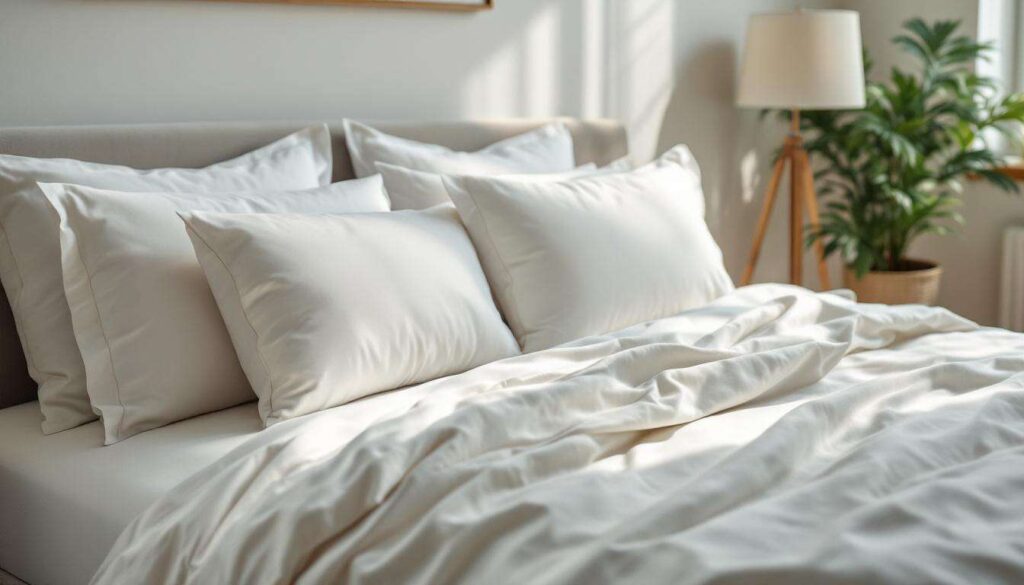
Sleep quality depends on many factors, and the cleanliness of bedding plays a crucial role in overall health and comfort. Most people follow arbitrary schedules for changing their sheets, often based on habit rather than scientific guidance. Experts in hygiene and sleep science have determined specific recommendations that balance cleanliness with practical considerations. Understanding the optimal frequency for changing bed linens can improve sleep quality, reduce allergens, and maintain proper hygiene without unnecessary effort or environmental impact.
The ideal frequency for changing sheets according to experts
The weekly standard recommended by sleep specialists
Sleep experts and dermatologists consistently recommend changing bed sheets once per week as the optimal frequency for most individuals. This timeframe strikes a balance between maintaining hygiene and practicality. During sleep, the human body sheds approximately 15 million skin cells per night, creates moisture through perspiration, and transfers oils from skin and hair onto bedding surfaces. These biological processes create an environment where bacteria, dust mites, and fungi can thrive if left unchecked for extended periods.
The weekly recommendation accounts for the accumulation of these elements while remaining manageable for most households. Dr. Philip Tierno, a microbiologist and immunologist at New York University, emphasizes that this frequency prevents the buildup of potentially harmful microorganisms without creating excessive laundry demands.
Factors that may require adjustments to the standard schedule
Certain circumstances warrant more frequent sheet changes than the standard weekly recommendation:
- Individuals with allergies or asthma may benefit from changing sheets twice weekly to minimize allergen exposure
- People who perspire heavily during sleep should consider more frequent changes
- Those recovering from illness should change sheets more often to prevent reinfection
- Pet owners who allow animals on the bed may need to adjust their schedule
- Individuals with skin conditions may require more frequent bedding changes as recommended by their dermatologist
Understanding these personal factors helps establish a customized approach that goes beyond the general recommendation. The connection between sheet cleanliness and potential health concerns becomes particularly important when considering what happens if sheets remain unchanged for too long.
The dangers of changing sheets too frequently
Environmental and economic impacts of excessive washing
While cleanliness is important, changing sheets too frequently creates unnecessary environmental strain and financial costs. Each washing cycle consumes significant water and energy resources. The average washing machine uses between 15 to 30 gallons of water per load, and the energy required for heating water and running the dryer contributes to household carbon footprints.
| Washing Frequency | Annual Water Usage (gallons) | Annual Energy Cost |
|---|---|---|
| Daily | 5,475-10,950 | $180-$250 |
| Twice Weekly | 1,560-3,120 | $50-$70 |
| Weekly | 780-1,560 | $25-$35 |
Fabric degradation and reduced lifespan
Excessive washing accelerates the deterioration of bedding materials. Frequent laundering causes fibers to break down more quickly, leading to thinning, pilling, and loss of softness. High-quality sheets that could last several years with proper care may need replacement within months if washed too often. The mechanical action of washing machines, combined with detergents and high temperatures, gradually weakens fabric integrity.
Additionally, overwashing can strip natural oils from certain materials like cotton, making them feel rough and uncomfortable. This creates a counterproductive cycle where the pursuit of cleanliness actually diminishes the quality of sleep environment. Recognizing when sheets genuinely need washing rather than following an unnecessarily aggressive schedule becomes essential for both practical and comfort reasons.
Signs that indicate it’s time to wash your sheets
Visual and olfactory indicators
Several obvious signs indicate that bedding requires immediate washing regardless of the schedule:
- Visible stains from spills, sweat, or other substances
- Noticeable odors that persist even in a well-ventilated room
- Discoloration or yellowing of fabric
- Visible accumulation of hair, dust, or debris
- Any evidence of pest activity or droppings
Physical sensations and comfort changes
The body often signals when sheets need changing through physical discomfort. If bedding feels gritty, sticky, or uncomfortable against the skin, this indicates buildup of dead skin cells, body oils, and other residues. Some individuals notice increased itching or skin irritation when sheets have accumulated too much debris. The fabric may also feel less breathable, creating a stuffy sensation during sleep.
These sensory cues provide valuable feedback that complements time-based schedules. Paying attention to both scheduled maintenance and responsive cleaning based on actual conditions ensures optimal bedding hygiene. Beyond recognizing when to wash, implementing proper practices for maintaining cleanliness extends the usability of bedding between washes.
Recommended practices for keeping your bedding clean
Daily habits that reduce contamination
Implementing simple daily practices significantly extends the cleanliness of bed sheets between washes:
- Shower before bed to remove dirt, oils, and environmental pollutants from skin
- Remove makeup completely before sleeping
- Keep pets off the bed or use protective covers
- Avoid eating in bed to prevent food particles and stains
- Air out bedding each morning by pulling back covers for at least 30 minutes
- Wear clean sleepwear to create a barrier between body and sheets
Proper washing and drying techniques
When washing day arrives, proper laundering techniques maximize cleanliness and preserve fabric quality. Use hot water when fabric care labels permit, as temperatures above 130°F effectively kill dust mites and bacteria. Select a gentle cycle to minimize mechanical stress on fibers, and use appropriate detergent amounts to avoid residue buildup.
Drying methods also impact both cleanliness and longevity. High heat in dryers provides additional sanitization but may damage delicate fabrics. Line drying offers a gentler alternative while UV rays from sunlight provide natural antibacterial benefits. Regardless of method, ensure sheets are completely dry before returning them to the bed to prevent mildew growth.
The choice of bedding materials themselves plays a significant role in determining how often sheets require washing and how well they maintain freshness between launderings.
The impact of bedding materials on washing frequency
Natural fibers versus synthetic materials
Cotton sheets remain the most popular choice due to breathability and comfort, typically adhering well to the weekly washing schedule. However, different cotton types vary in performance. Egyptian and Pima cotton with higher thread counts tend to resist odor and moisture accumulation better than standard cotton varieties.
Linen naturally possesses antibacterial properties and excellent moisture-wicking capabilities, potentially allowing for slightly extended periods between washes. Bamboo-derived fabrics offer similar benefits with enhanced softness. In contrast, synthetic materials like polyester may trap heat and moisture more readily, sometimes requiring more frequent washing despite their durability.
Thread count and weave considerations
| Material Type | Breathability | Recommended Wash Frequency |
|---|---|---|
| Cotton (200-400 thread count) | High | Weekly |
| Linen | Very High | 7-10 days |
| Bamboo | High | Weekly |
| Polyester/Microfiber | Low | Every 5-7 days |
Understanding these material differences helps in selecting bedding that aligns with personal washing preferences and lifestyle demands. For those seeking to minimize laundry frequency while maintaining hygiene standards, specific strategies can effectively extend the time between washes.
How to extend the time between washes without compromising hygiene
Protective layers and barriers
Using mattress protectors and pillow covers creates additional barriers that capture much of the debris that would otherwise penetrate sheets. These protective layers can be washed on the same weekly schedule while allowing top sheets to remain fresh longer. Duvet covers serve a similar function for comforters, which typically require washing only monthly or seasonally.
Layering the bed with a top sheet between the sleeper and blankets or duvets also helps. This washable barrier prevents body contact with heavier bedding items that are more cumbersome to launder frequently.
Room environment optimization
Maintaining proper bedroom conditions reduces the rate at which sheets accumulate contaminants:
- Keep bedroom temperature between 60-67°F to minimize perspiration during sleep
- Use air purifiers to reduce airborne particles that settle on bedding
- Maintain humidity levels between 30-50% to discourage dust mite proliferation
- Vacuum mattresses and surrounding areas regularly to reduce dust accumulation
- Keep windows closed during high pollen seasons if allergies are a concern
These environmental controls work synergistically with proper bedding selection and maintenance practices to create an optimal sleep environment that requires less frequent intensive cleaning while still meeting hygiene standards.
Maintaining clean bedding involves finding the right balance between hygiene, practicality, and resource conservation. The expert-recommended weekly washing schedule serves most people well, though individual circumstances may warrant adjustments. Recognizing the signs that sheets need washing, implementing daily protective habits, selecting appropriate materials, and optimizing the sleep environment all contribute to fresher bedding between washes. By understanding these principles rather than following arbitrary schedules, anyone can maintain a clean, comfortable sleep space that supports both health and sustainability.