



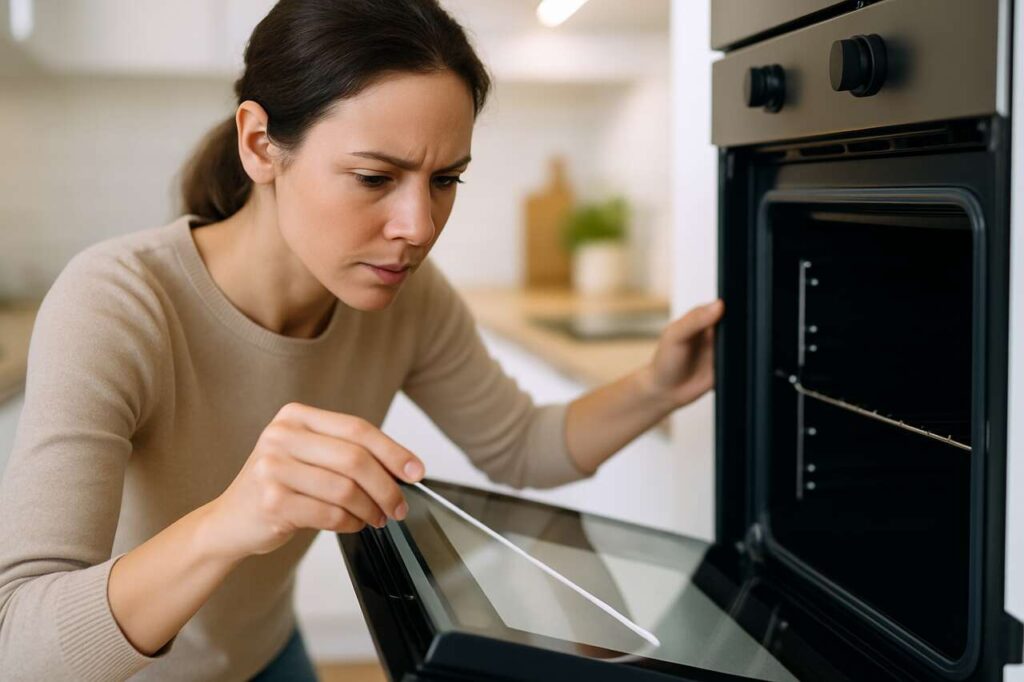
Discovering grimy streaks and baked-on splatters trapped between the double panes of your oven door can be frustrating. This seemingly inaccessible space collects grease, food particles, and residue over time, creating an unsightly mess that affects the appearance of your kitchen. While many homeowners believe removing the entire door is the only solution, there are effective methods to clean this hard-to-reach area without disassembling your appliance. These techniques save time, reduce the risk of damage, and restore clarity to your oven glass.
Understanding the issue of cleaning between oven glass
How debris gets trapped between glass panels
Oven doors typically feature two or three layers of glass designed to provide insulation and safety. The space between these panes is not completely sealed, which allows air circulation to prevent overheating. Unfortunately, this design also creates an entry point for grease vapors, steam, and food particles. During cooking, especially when roasting or baking at high temperatures, microscopic droplets of grease can travel through the small vents at the top or bottom of the door. Over time, these particles accumulate and bake onto the interior glass surfaces, creating stubborn stains that are visible but seemingly unreachable.
Why traditional cleaning methods fail
Standard oven cleaning approaches cannot address this problem effectively because the affected area is physically separated from both the interior and exterior surfaces. Spraying cleaners on the outside or inside of the door simply cannot penetrate to the space between the panes. This limitation leads many people to believe that complete door disassembly is necessary, which involves removing screws, separating glass panels, and risking damage to seals or hinges. However, most oven doors include access points that make cleaning possible without such extensive work.
Understanding the construction of your oven door is essential before attempting any cleaning method. Most manufacturers design doors with narrow openings or slots that provide access to the interior space, though these entry points are not immediately obvious to the casual observer.
The tools needed for effective cleaning
Essential cleaning implements
Successfully cleaning between oven glass requires specialized tools that can reach into narrow spaces. The following items will make the task manageable:
- Wire coat hanger or flexible cleaning rod
- Microfiber cloths or lint-free rags
- Rubber bands or string for securing cloth
- Glass cleaner or vinegar solution
- Small bowl of warm water
- Screwdriver (if needed to access vents)
- Flashlight or headlamp for visibility
- Protective gloves
Creating your cleaning tool
The most effective approach involves fashioning a custom cleaning wand from common household items. Straighten a wire coat hanger, leaving a small hook at one end. Wrap a damp microfiber cloth around the hooked end and secure it tightly with rubber bands. This creates a flexible tool that can navigate the narrow space between glass panels. Alternatively, purchase a specialized oven glass cleaning tool designed for this purpose, which typically features an extendable handle with a cloth attachment.
| Tool Type | Cost | Effectiveness |
|---|---|---|
| DIY coat hanger wand | $0-2 | High for light to moderate buildup |
| Commercial cleaning wand | $8-15 | High for all buildup levels |
| Flexible cleaning brush | $5-12 | Moderate, may scratch glass |
Having the right combination of tools ensures you can tackle the job efficiently without causing scratches or leaving lint behind.
Steps to clean between the oven glass without taking the door apart
Locating the access point
Begin by examining your oven door carefully. Most models feature vent slots or openings at either the top or bottom edge of the door. These may appear as narrow horizontal gaps or small rectangular openings. Consult your oven’s user manual if you cannot identify these access points visually. Some doors require removing a small panel or loosening screws to expose the opening, but this is far simpler than complete disassembly. Use your flashlight to shine light into the space between the glass panes, which will help you assess the level of buildup and plan your cleaning approach.
Preparing the cleaning solution
Mix a cleaning solution appropriate for glass surfaces. A combination of equal parts white vinegar and water works effectively for most situations. For heavier grease buildup, add a small amount of dish soap to the mixture. Avoid harsh chemical cleaners that might leave residue or create fumes when the oven heats. Dampen your cloth-wrapped cleaning wand thoroughly but not excessively, as you want to avoid dripping liquid into the door mechanism.
Executing the cleaning process
Insert your cleaning tool through the access opening and gently maneuver it between the glass panes. Work systematically from one side to the other, using gentle wiping motions rather than aggressive scrubbing. The cloth should make contact with both glass surfaces as you move the tool. You may need to reposition the cloth and re-dampen it several times during the process. For stubborn spots, allow the dampened cloth to rest against the stain for a few moments before wiping. After cleaning with the damp cloth, repeat the process with a dry cloth to remove moisture and prevent streaking. This step is crucial for achieving crystal-clear results.
Verifying your results
Once you have cleaned the entire accessible area, close the oven door and inspect your work from both sides. Look at the glass from different angles and in various lighting conditions to identify any remaining streaks or spots. If necessary, repeat the cleaning process in specific areas. This thorough approach ensures you achieve professional-quality results.
After completing the cleaning process, proper maintenance practices will help prevent rapid re-accumulation of debris.
Precautions to take to avoid damaging the oven
Protecting glass surfaces
Exercise caution when inserting tools between glass panes to avoid scratching or cracking. Use only soft materials like microfiber or cotton cloths wrapped around your cleaning implement. Never use abrasive scrubbers, steel wool, or rough brushes that could permanently damage the glass. Apply gentle pressure throughout the cleaning process, as excessive force can stress the glass panels or dislodge seals. If you encounter significant resistance when moving your cleaning tool, do not force it through the space.
Avoiding moisture damage
While moisture is necessary for effective cleaning, excessive liquid can cause problems. Water that drips into the door mechanism may damage insulation, corrode metal components, or create electrical hazards in models with door lighting. Always wring out cloths thoroughly before use, ensuring they are damp rather than wet. If liquid does accumulate in the door, leave the oven door open for several hours to allow complete drying before use.
Respecting manufacturer guidelines
Different oven models have varying construction methods and tolerances. Some manufacturers specifically advise against inserting objects between glass panes, as this may void warranties or damage proprietary seals. Review your appliance documentation before proceeding with any cleaning method. If your oven is still under warranty, consider consulting with the manufacturer or an authorized service technician before attempting this procedure.
Taking these preventive measures protects your investment while achieving the desired cleaning results. Beyond addressing existing buildup, establishing ongoing maintenance habits will reduce the frequency of intensive cleaning sessions.
Tips for keeping oven glass clean
Preventive cooking practices
Reducing the amount of grease and debris that enters the space between glass panes begins with mindful cooking habits. Cover dishes when possible to minimize splattering, especially when roasting meats or cooking at high temperatures. Use appropriately sized cookware that fits comfortably on racks without crowding the oven interior. Clean up spills promptly before they have a chance to bake on and create smoke or vapors. These simple adjustments significantly decrease the amount of airborne particles that can migrate into the door cavity.
Regular maintenance schedule
Establish a routine for cleaning all oven surfaces, including the glass. Wipe down the exterior and interior glass surfaces weekly with a quality glass cleaner. This prevents buildup on accessible surfaces and reduces the likelihood of particles working their way between panes. Perform a thorough inspection of the space between glass panels monthly, using a flashlight to check for developing issues. Address minor accumulation immediately rather than waiting for it to become baked-on and difficult to remove.
Proper ventilation during cooking
Adequate ventilation helps remove airborne grease particles before they settle throughout your kitchen, including in your oven door. Use your range hood or exhaust fan whenever cooking, particularly when preparing foods that generate significant smoke or steam. Ensure your ventilation system is functioning properly and that filters are clean. Good airflow reduces the concentration of particles that can find their way into enclosed spaces.
Quick maintenance techniques
Between deep cleaning sessions, consider these quick maintenance approaches:
- Wipe accessible glass surfaces after each use while the oven is still slightly warm
- Use the self-cleaning cycle periodically if your oven has this feature, as high heat can help break down some deposits
- Keep a dedicated microfiber cloth near your oven for immediate spot cleaning
- Address visible buildup between panes as soon as it appears rather than delaying
Maintaining clean oven glass enhances both the functionality and appearance of your appliance. Clear glass allows you to monitor cooking progress without opening the door, which maintains consistent temperatures and improves energy efficiency. The aesthetic benefit of spotless glass contributes to an overall sense of kitchen cleanliness and pride in your home. By understanding the construction of your oven door, using appropriate tools and techniques, exercising proper caution, and establishing preventive habits, you can keep the space between glass panes clean without the complexity and risk of complete door disassembly. This practical approach saves time and money while extending the life and appearance of your oven.