
Many homeowners invest in humidifiers to combat dry indoor air, particularly during winter months when heating systems strip moisture from living spaces. While these devices offer numerous health benefits and improved comfort, they also introduce concerns about potential damage to household furnishings. Excess moisture in the air can wreak havoc on various materials, causing warping, discoloration, and structural deterioration. Understanding the relationship between humidity levels and furniture preservation helps homeowners strike the right balance between comfort and protection of their valuable possessions.
Understanding How a Humidifier Works
Basic Principles of Humidification
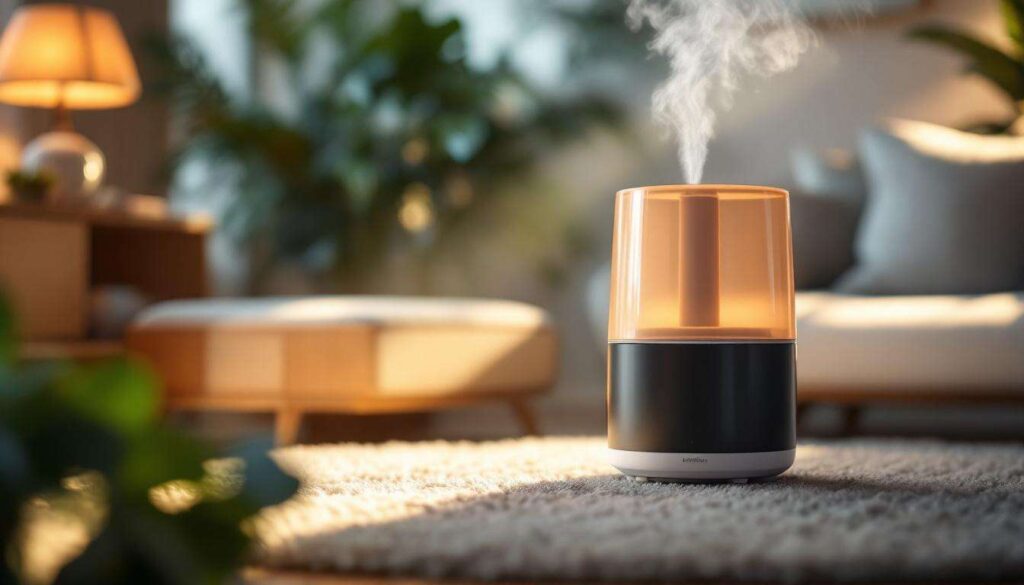
Humidifiers add moisture to indoor air through several mechanisms. Evaporative humidifiers use a fan to blow air through a wet wick or filter, naturally releasing water vapor into the environment. Ultrasonic models create a fine mist using high-frequency vibrations, while steam vaporizers boil water to produce steam that cools before entering the room. Each type delivers moisture differently, but all increase relative humidity levels in enclosed spaces.
Output Capacity and Coverage Area
Different humidifier models produce varying amounts of moisture based on their design and capacity. Small personal units may output less than one gallon per day, suitable for individual rooms, while whole-house systems integrated with HVAC equipment can add several gallons daily throughout an entire home. The coverage area and output rate directly influence how quickly humidity levels rise and how evenly moisture distributes across living spaces.
Understanding these operational characteristics becomes essential when considering how humidifiers might impact furniture, as concentrated moisture output near specific pieces can create localized high-humidity zones.
How Humidity Can Affect Your Furniture
Moisture Absorption and Swelling
Furniture materials respond to environmental moisture by absorbing water molecules from the air. Hygroscopic materials like wood naturally expand when exposed to high humidity levels. This swelling can cause joints to loosen, drawers to stick, and surfaces to warp. The expansion occurs unevenly depending on grain direction and wood species, creating internal stresses that may result in cracks or splits over time.
Surface Damage and Finish Deterioration
Excessive humidity attacks protective finishes on furniture surfaces. Water vapor can penetrate lacquer, varnish, and polyurethane coatings, causing:
- Cloudy or milky discoloration known as blushing
- Bubbling or peeling of finish layers
- White rings or spots where moisture accumulates
- Loss of shine and protective properties
Mold and Mildew Growth
When relative humidity exceeds recommended levels for extended periods, furniture becomes vulnerable to biological growth. Mold spores present in most indoor environments require only moisture, organic material, and moderate temperatures to colonize. Upholstered pieces, wooden frames, and fabric components provide ideal substrates for fungal growth, which not only damages materials but also poses health risks to occupants.
These moisture-related problems demonstrate why proper humidity management matters when operating humidifiers near valuable furnishings.
Materials Most Sensitive to Humidity
Solid Wood and Veneer
Natural wood ranks among the most humidity-sensitive furniture materials. Solid hardwoods like oak, maple, and cherry expand and contract significantly with moisture fluctuations. Antique furniture with hide glue joints faces particular vulnerability, as excessive humidity weakens these traditional adhesives. Veneered pieces present additional concerns, as moisture differential between the veneer and substrate can cause delamination or bubbling.
Upholstery and Fabric
Textile materials absorb atmospheric moisture readily, making upholstered furniture susceptible to humidity damage. Natural fibers including cotton, linen, silk, and wool hold more moisture than synthetic alternatives. Prolonged exposure to high humidity creates conditions favorable for:
- Musty odors from bacterial growth
- Staining from moisture-activated dyes or finishes
- Weakening of fabric structure and seams
- Attraction of dust mites and other pests
Leather and Metal Components
Leather furniture requires moderate humidity to remain supple, but excessive moisture causes deterioration. High humidity levels promote mold growth on leather surfaces, create water stains, and accelerate degradation of protective treatments. Metal hardware, hinges, and decorative elements oxidize more rapidly in humid conditions, producing rust or corrosion that stains surrounding materials and compromises structural integrity.
| Material Type | Humidity Sensitivity | Primary Concern |
|---|---|---|
| Solid Wood | Very High | Warping and swelling |
| Veneer | High | Delamination |
| Natural Fabric | High | Mold growth |
| Leather | Moderate | Staining and mildew |
| Metal Hardware | Moderate | Corrosion |
Recognizing which furniture pieces face greatest risk allows homeowners to implement targeted protective strategies when using humidifiers.
Precautions to Protect Your Furniture
Strategic Humidifier Placement
Positioning humidifiers away from furniture minimizes direct moisture exposure. Place units at least three to four feet from wooden pieces, upholstered items, and other sensitive furnishings. Avoid directing mist output toward furniture surfaces, and never place humidifiers on wooden tables or cabinets without protective barriers, as condensation underneath the unit can cause permanent damage.
Using Hygrometers for Monitoring
Installing hygrometers throughout living spaces provides accurate humidity readings that prevent over-humidification. Digital models offer precise measurements and often include temperature readings. Position these devices away from humidifier output streams and exterior walls for representative readings. Regular monitoring allows prompt adjustments before humidity reaches damaging levels.
Protective Treatments and Barriers
Applying protective measures to vulnerable furniture adds defense against moisture damage:
- Use furniture wax or polish to seal wood surfaces
- Apply leather conditioner containing moisture barriers
- Position furniture away from exterior walls where condensation occurs
- Utilize dehumidifying packets in enclosed cabinets and drawers
- Ensure adequate air circulation around all furniture pieces
These preventive measures work in conjunction with proper humidity level management to safeguard furnishings.
Recommended Temperature and Humidity Levels
Optimal Indoor Humidity Range
Maintaining relative humidity between 30 and 50 percent balances human comfort with furniture preservation. Levels below 30 percent cause dry skin, respiratory irritation, and static electricity, while readings above 50 percent increase risks of condensation, mold growth, and material damage. Most furniture manufacturers recommend staying within the 35 to 45 percent range for optimal protection of wooden and upholstered pieces.
Seasonal Adjustments
Indoor humidity requirements vary with outdoor conditions and heating system operation. Winter months typically demand active humidification as heating systems dry indoor air, but excessive compensation creates problems. Summer humidity often requires dehumidification rather than adding moisture. Adjust humidifier settings seasonally and monitor actual humidity levels rather than relying solely on device settings.
Temperature Considerations
Temperature interacts with relative humidity to determine absolute moisture content. Warmer air holds more moisture than cooler air at the same relative humidity percentage. Maintain indoor temperatures between 68 and 72 degrees Fahrenheit for optimal furniture preservation. Avoid temperature fluctuations that cause condensation cycles, particularly near exterior walls and windows where furniture often resides.
Achieving these ideal conditions requires attention to equipment maintenance and operational practices.
Maintaining Your Humidifier to Minimize Risks
Regular Cleaning Schedules
Dirty humidifiers distribute minerals, bacteria, and mold spores that settle on furniture surfaces and accelerate deterioration. Clean units according to manufacturer specifications, typically every three to seven days during active use. Disassemble removable components, wash with mild soap or vinegar solution, and rinse thoroughly. Replace filters as recommended to maintain proper function and prevent contamination.
Water Quality Matters
Tap water contains minerals that humidifiers disperse as white dust settling on furniture and other surfaces. This residue attracts moisture and can damage finishes. Using distilled or demineralized water eliminates this problem and extends humidifier life. While more expensive than tap water, distilled water prevents mineral buildup in equipment and reduces cleaning frequency.
Proper Shutdown and Storage
When humidification needs decrease, properly shutting down equipment prevents residual moisture problems. Empty all water reservoirs completely, clean and dry all components, and store units in dry locations. Never leave standing water in humidifiers between uses, as this promotes bacterial growth and creates musty odors that transfer to indoor air and furnishings when operation resumes.
Humidifiers provide valuable moisture control when operated responsibly, but improper use can indeed damage furniture. Understanding how these devices work, recognizing vulnerable materials, maintaining appropriate humidity levels, and following maintenance protocols protects furnishings while delivering comfort benefits. Strategic placement, regular monitoring, and preventive care create environments where both occupants and furniture thrive. The key lies not in avoiding humidifiers entirely but in using them intelligently with awareness of their potential impacts on household possessions.