



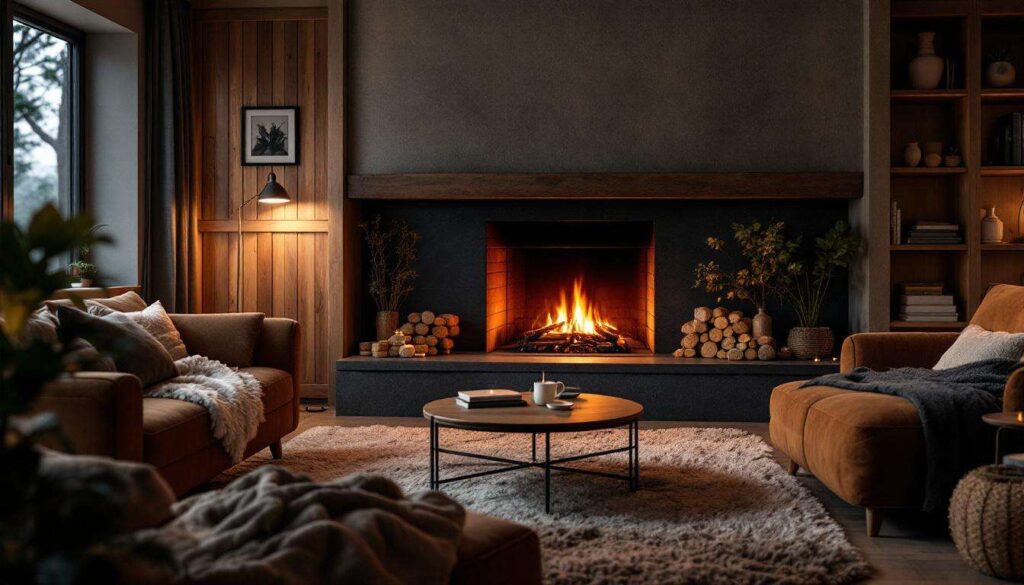
Winter chills have homeowners reaching for the thermostat, but interior designers know a secret: the right design choices can make a room feel significantly warmer without adjusting the temperature. From strategic color palettes to carefully selected textures, these professional techniques create spaces that radiate warmth and comfort. Understanding how visual and tactile elements influence our perception of temperature can transform cold, uninviting rooms into cozy retreats while keeping energy bills in check.
Create a Warm Atmosphere with Warm Colors
The Psychology Behind Warm Color Palettes
Color psychology plays a crucial role in how we perceive temperature in our living spaces. Warm hues trigger psychological associations with heat, sunlight, and comfort, making rooms feel several degrees warmer than they actually are. Designers consistently rely on this phenomenon to create inviting environments that embrace occupants the moment they enter.
The most effective warm colors for creating thermal comfort include:
- Rich terracotta and burnt orange tones that evoke Mediterranean warmth
- Deep reds and burgundies that suggest fireside coziness
- Golden yellows and amber shades that mimic candlelight
- Warm beiges and caramels that provide subtle heat
- Spicy cinnamon and paprika hues that add depth and warmth
Strategic Color Application Throughout the Space
Implementing warm colors requires thoughtful placement rather than overwhelming every surface. Designers recommend using warm tones on accent walls, particularly those that receive limited natural light. This approach draws the eye and creates focal points that radiate perceived warmth throughout the entire room. Pairing warm wall colors with neutral furnishings prevents the space from feeling too intense while maintaining the cozy atmosphere.
These color strategies establish the foundation for a warm environment, but physical materials amplify the effect even further.
Choose Soft and Comfortable Materials
Textile Selection for Maximum Warmth Perception
The materials we surround ourselves with dramatically influence how warm a space feels. Soft, plush textiles not only provide actual insulation but also signal comfort and warmth to our senses. Designers prioritize fabrics that invite touch and create visual softness, transforming sterile spaces into welcoming sanctuaries.
| Material Type | Warmth Rating | Best Application |
|---|---|---|
| Velvet | Very High | Upholstery, curtains, cushions |
| Wool | High | Throws, rugs, blankets |
| Chenille | High | Sofas, accent chairs |
| Faux Fur | Very High | Throw pillows, accent pieces |
| Flannel | Medium-High | Bedding, curtains |
Layering Textiles for Enhanced Coziness
Professional designers employ layering techniques to maximize the warming effect of soft materials. This approach involves combining multiple textile types at various heights and locations throughout the room. A plush area rug anchors the space, while velvet throw pillows on a chenille sofa create tactile interest. Adding a chunky knit blanket draped over furniture provides both visual warmth and functional comfort, encouraging inhabitants to settle in and relax.
While materials provide tactile warmth, the way we illuminate these textures determines how effectively they communicate coziness.
Opt for Soft and Enveloping Lighting
The Impact of Lighting Temperature on Perceived Warmth
Lighting choices represent one of the most powerful tools designers use to influence a room’s thermal perception. Cool, bright lighting creates a clinical atmosphere that feels several degrees colder, while warm, diffused light wraps spaces in a comforting glow. The color temperature of bulbs, measured in Kelvins, directly affects how warm a room appears to occupants.
Optimal lighting strategies for warmth include:
- Using bulbs with color temperatures between 2200K and 2700K for maximum warmth
- Installing dimmer switches to adjust intensity throughout the day
- Positioning multiple light sources at different heights to eliminate harsh shadows
- Incorporating table lamps and floor lamps rather than relying solely on overhead fixtures
- Adding candles or flameless alternatives for flickering, warm ambiance
Layered Lighting Design Principles
Designers avoid the common mistake of relying on a single overhead light source. Instead, they create lighting layers that combine ambient, task, and accent lighting to produce depth and warmth. This approach involves placing lamps in corners to eliminate dark spaces, using wall sconces to add mid-level illumination, and incorporating accent lighting to highlight warm textures and colors. The resulting environment feels embracing rather than exposed, with no harsh bright spots or cold shadows.
Lighting enhances the visual elements of warmth, but patterns and textures add another dimension to the sensory experience.
Integrate Cozy Patterns and Textures
Pattern Selection for Visual Warmth
Certain patterns naturally convey warmth and comfort through their visual complexity and traditional associations. Designers incorporate these patterns strategically to reinforce the cozy atmosphere established by color and material choices. The right patterns add visual interest without overwhelming the space, creating focal points that draw the eye and invite closer inspection.
Particularly effective warm patterns include:
- Plaids and tartans that evoke cabin retreats and traditional comfort
- Herringbone and chevron patterns that add sophisticated texture
- Paisley and damask designs that introduce ornate warmth
- Geometric patterns in warm color combinations
- Floral motifs with rich, saturated hues
Texture Contrast for Depth and Interest
Beyond pattern, physical texture creates visual and tactile warmth that flat surfaces cannot achieve. Designers deliberately combine contrasting textures to create richness and depth. A smooth velvet cushion against a nubby wool throw, or a sleek leather chair beside a chunky knit pouf, provides sensory variety that keeps spaces interesting while maintaining warmth. These textural contrasts catch light differently, creating shadows and highlights that add dimension and coziness to the room.
These decorative elements work in harmony with structural design choices that bring organic warmth into interior spaces.
Add Wooden Touches and Natural Elements
The Inherent Warmth of Wood
Wood possesses an intrinsic warmth that few materials can match. Its organic origins, natural grain patterns, and warm tones create immediate comfort in any space. Designers prioritize wood elements not just for their aesthetic appeal but for their proven ability to make rooms feel warmer and more inviting. Unlike cold materials like metal or glass, wood registers as warm to the touch and visually communicates natural coziness.
| Wood Type | Warmth Characteristic | Ideal Use |
|---|---|---|
| Walnut | Rich, dark warmth | Furniture, accent walls |
| Oak | Golden, traditional warmth | Flooring, cabinetry |
| Cherry | Reddish, elegant warmth | Furniture, trim |
| Pine | Light, rustic warmth | Paneling, beams |
Incorporating Natural Elements Beyond Wood
While wood serves as the foundation, other natural materials enhance the warming effect. Designers integrate stone elements like a fireplace surround in warm limestone or sandstone, woven baskets made from natural fibers, and live plants that bring organic life into the space. These elements work together to create an environment that feels connected to nature, grounding the room in warmth and authenticity. Even small touches like a wooden bowl filled with pinecones or a jute rug can significantly impact the overall warmth perception.
With these natural foundations in place, the arrangement of furniture determines how effectively the warmth translates into social comfort.
Play with Furniture to Encourage Conviviality
Furniture Arrangement for Intimate Gatherings
The way furniture is positioned dramatically affects how warm and inviting a space feels. Designers avoid pushing all furniture against walls, which creates a cold, formal atmosphere. Instead, they pull pieces toward the room’s center, creating intimate conversation areas that encourage interaction and closeness. This arrangement naturally makes spaces feel warmer because it brings people together and eliminates the cold, empty feeling of wall-hugging furniture.
Selecting Furniture That Promotes Comfort
Beyond arrangement, the style and scale of furniture pieces influence perceived warmth. Designers choose sofas with deep seats and plush cushions rather than sleek, minimalist options. They incorporate oversized armchairs that invite curling up with a book, ottomans that serve as footrests and additional seating, and coffee tables at accessible heights that encourage gathering. The goal is creating spaces where people naturally want to settle in and stay, which inherently feels warmer than rooms designed primarily for visual impact.
Key furniture choices for warmth include:
- Sectional sofas that create enclosed seating areas
- Upholstered pieces rather than hard, wooden seating
- Round or oval tables that facilitate conversation
- Low-profile furniture that creates cozy, grounded spaces
- Pieces with warm wood tones rather than chrome or glass
Designers understand that warmth in interior spaces extends far beyond thermostat settings. By combining warm color palettes with soft, comfortable materials, they create environments that feel degrees warmer than they measure. Strategic lighting choices enhance these effects, while carefully selected patterns and textures add visual and tactile richness. Natural elements, particularly wood, bring organic warmth that synthetic materials cannot replicate. Finally, thoughtful furniture arrangement transforms these design elements into spaces that encourage gathering and connection. These professional techniques prove that perceived temperature depends as much on design choices as actual heating, offering a sustainable and aesthetically pleasing approach to creating comfortable homes throughout the coldest months.