



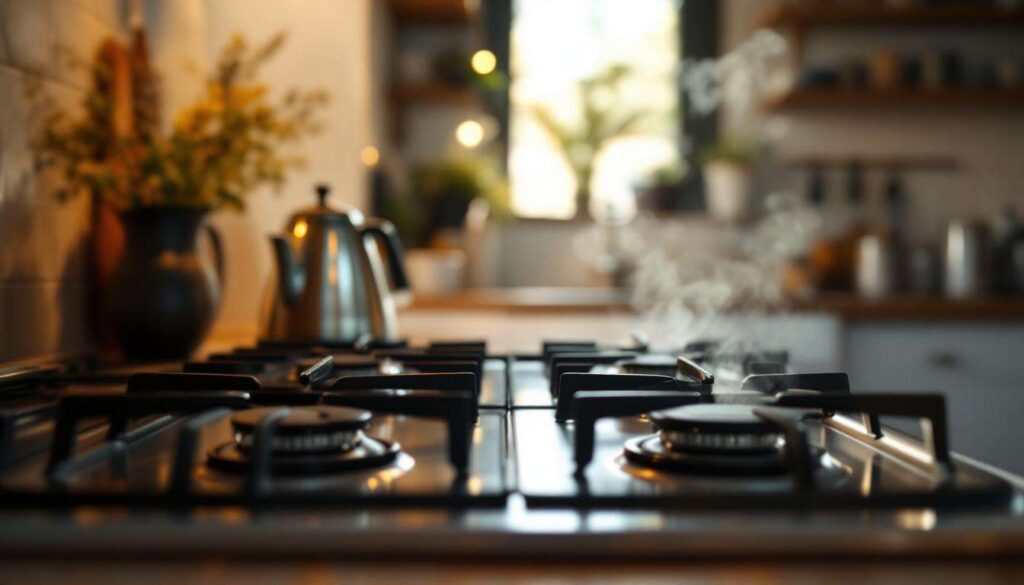
The kitchen has long been considered the heart of the home, and the choice of cooking appliance can significantly impact daily life. After living with an induction hob for several years, I’ve made the decision to return to gas cooking. This shift isn’t made lightly, but rather stems from practical considerations about cooking performance, energy costs, and overall satisfaction in the kitchen. While induction technology promised efficiency and modern convenience, the reality of daily use has revealed limitations that gas cooking simply doesn’t have.
Back to gas cooking: why I’m making the change
The limitations of induction cooking in daily practice
Living with an induction hob has exposed several practical challenges that became increasingly frustrating over time. The most immediate issue involves cookware compatibility, as induction requires specific magnetic-based pots and pans. This meant replacing perfectly functional cookware, an unexpected expense that added significantly to the initial investment.
- Incompatibility with copper and aluminum cookware without magnetic bases
- Frequent pan replacement due to warping from high heat
- Limited cooking surface area with smaller burner zones
- Electronic malfunctions requiring expensive repairs
Personal cooking preferences and techniques
Beyond the technical limitations, induction cooking doesn’t align well with traditional cooking methods that many home cooks prefer. Techniques like wok cooking, which requires lifting the pan and tilting it at angles, become problematic since induction burners only work when the cookware maintains direct contact with the surface. The visual feedback of a flame also provides an intuitive understanding of heat levels that digital displays simply cannot replicate.
These practical considerations have led me to reconsider what truly matters in a cooking appliance, setting the stage for a deeper comparison between these two technologies.
The benefits of cooking with gas versus induction
Immediate heat response and adjustment
Gas burners offer instantaneous heat adjustment that responds the moment you turn the knob. When you reduce the flame, the temperature drops immediately, whereas induction hobs retain residual heat in both the cookware and the glass surface. This immediate responsiveness is particularly valuable when cooking delicate sauces or preventing foods from overcooking.
| Feature | Gas Cooking | Induction Cooking |
|---|---|---|
| Heat adjustment speed | Instant | 2-3 seconds delay |
| Cookware compatibility | Universal | Magnetic materials only |
| Visual heat indicator | Visible flame | Digital display |
| Power during outages | Works with pilot light | Requires electricity |
Versatility and cooking techniques
The versatility of gas cooking extends to various culinary techniques that are difficult or impossible with induction. Charring peppers directly over the flame, toasting spices in a traditional manner, and achieving the coveted wok hei (breath of wok) in Asian cooking all require direct flame contact. These techniques aren’t merely aesthetic preferences but contribute to distinct flavors and textures that define certain cuisines.
- Direct flame contact for charring and roasting
- Compatibility with all cookware materials and shapes
- Ability to cook during power outages
- No electromagnetic field concerns for those with pacemakers
Understanding these practical advantages naturally leads to examining the economic aspects of this decision.
Energy consumption: how gas can be more economical
Comparing energy costs between gas and induction
While induction cooking is often marketed as more energy-efficient in terms of heat transfer, the actual cost savings depend heavily on local utility rates. In many regions, natural gas remains significantly cheaper per unit of energy than electricity. The efficiency advantage of induction, which converts approximately 90% of energy to heat compared to gas’s 40-55%, doesn’t always translate to lower bills when electricity costs two to three times more than gas.
| Energy Source | Average Cost per Therm | Monthly Cooking Cost (typical household) |
|---|---|---|
| Natural Gas | $1.20-$1.80 | $15-$25 |
| Electricity (Induction) | $3.50-$5.00 equivalent | $20-$35 |
Long-term equipment costs and maintenance
The total cost of ownership extends beyond monthly utility bills to include equipment longevity and repair expenses. Gas stoves typically have fewer electronic components, making them more durable and less expensive to repair. Induction hobs contain sophisticated electronics that can fail, requiring specialized technicians and expensive replacement parts. A gas burner might need occasional cleaning or a replacement igniter, while an induction unit might require a complete control board replacement costing hundreds of dollars.
- Gas stoves often last 15-20 years with minimal maintenance
- Induction electronics typically have a 10-12 year lifespan
- Gas burner repairs average $100-$200
- Induction control board replacements cost $300-$600
Beyond economics, the cooking experience itself reveals important differences in how these technologies perform.
Precise temperature control with gas
Visual feedback and intuitive adjustments
One of the most underrated aspects of gas cooking is the visual feedback provided by the flame. Experienced cooks develop an intuitive understanding of heat levels simply by observing flame size and color. This immediate visual reference eliminates the need to interpret digital displays or remember power level settings. When a recipe calls for medium heat, you can see exactly what that means rather than guessing whether level 5 or 6 on an induction hob is appropriate.
Consistent heat distribution for specific techniques
Gas flames provide even heat distribution around the sides of pots and pans, which is particularly beneficial for certain cooking methods. When making risotto, the gentle heat climbing the sides of the pan helps achieve the perfect creamy consistency. For caramelizing onions or reducing sauces, the predictable heat pattern of gas burners produces more consistent results than the concentrated heat zones of induction cooktops.
- Flame size directly correlates to heat output
- No learning curve for temperature settings
- Better heat distribution for round-bottomed cookware
- Easier to maintain consistent low temperatures for simmering
While cooking performance is paramount, environmental considerations also play a role in this decision.
The ecological impact of a gas stove
Understanding the environmental trade-offs
The environmental debate surrounding gas versus induction cooking is more nuanced than often presented. While natural gas is a fossil fuel that produces carbon emissions during combustion, the electricity powering induction hobs must also be generated somehow. In regions where electricity comes primarily from coal or natural gas power plants, the overall carbon footprint of induction cooking may not be significantly better when accounting for transmission losses and generation inefficiencies.
| Factor | Gas Stove | Induction (Grid-Powered) |
|---|---|---|
| Direct emissions | Yes, at point of use | No, at power plant |
| Energy efficiency | 40-55% | 85-90% |
| Carbon footprint (coal grid) | Moderate | High |
| Carbon footprint (renewable grid) | Moderate | Low |
Regional energy sources and personal circumstances
The ecological choice depends heavily on local energy infrastructure. In areas with predominantly renewable electricity generation, induction cooking offers clear environmental benefits. However, in regions dependent on fossil fuel power plants, the difference becomes less pronounced. Additionally, modern gas stoves with sealed burners and electronic ignition systems have improved efficiency significantly compared to older models with standing pilot lights.
- Regional electricity generation mix affects overall impact
- Modern gas appliances are significantly more efficient than older models
- Manufacturing and disposal impacts differ between technologies
- Personal renewable energy systems can offset induction’s electricity use
With these considerations in mind, the practical aspects of making this transition deserve careful examination.
The financial and logistical implications of returning to gas
Installation costs and requirements
Switching back to gas involves upfront investment in both equipment and installation. If your home already has a gas line for heating or other appliances, connecting a gas stove is relatively straightforward, typically costing between $200 and $500 for professional installation. However, homes without existing gas service face more substantial expenses, including running new gas lines and potentially upgrading utility connections, which can cost $1,000 to $3,000 or more.
Selling or repurposing the induction hob
The existing induction cooktop represents a sunk cost that can be partially recovered through resale. High-quality induction hobs retain reasonable resale value, particularly in markets where they’re popular. Online marketplaces, appliance resellers, and even donations to organizations that refurbish appliances for low-income families provide options for recouping some of the initial investment.
- Professional gas line installation: $200-$500 (existing service)
- New gas service connection: $1,000-$3,000
- Mid-range gas stove purchase: $600-$1,500
- Potential induction resale value: 30-50% of original price
Timing and planning the transition
The logistical planning for this switch requires coordinating multiple professionals and managing without a cooktop during installation. Scheduling both the removal of the induction hob and the gas stove installation on the same day minimizes disruption, though this isn’t always possible. Having alternative cooking arrangements such as a microwave, toaster oven, or outdoor grill available during the transition period helps maintain household routines.
Making the switch from induction back to gas represents a significant decision driven by practical cooking needs, economic considerations, and personal preferences. The immediate heat response, universal cookware compatibility, and intuitive temperature control of gas cooking address the limitations experienced with induction technology. While induction offers certain advantages in efficiency and modern convenience, these benefits don’t outweigh the everyday frustrations and restrictions encountered during actual use. Energy costs favor gas in many regions, particularly when considering long-term maintenance and repair expenses. The environmental impact varies depending on local electricity generation sources, making blanket statements about ecological superiority misleading. The financial investment required to return to gas is substantial but justified by improved cooking performance and reduced ongoing costs. For those who value traditional cooking techniques, reliable performance, and straightforward operation, gas cooking remains a compelling choice that modern technology hasn’t truly surpassed.