



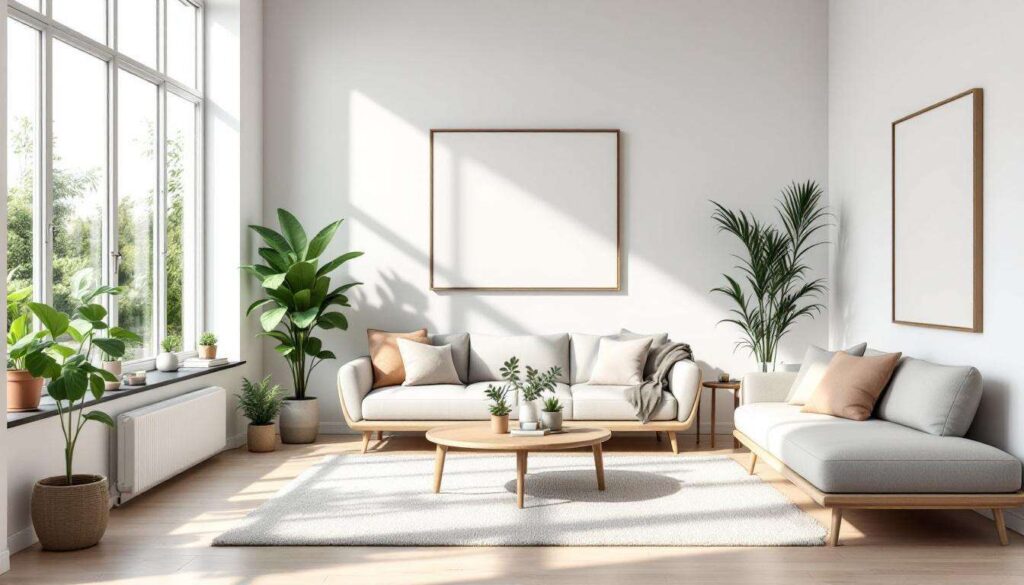
Homeowners planning renovations are increasingly seeking guidance from professionals who understand both aesthetics and functionality. Interior designers and architects have identified key habits that transform ordinary spaces into exceptional living environments. These practices reflect evolving priorities around sustainability, wellness, and intelligent design choices that enhance daily life while adding long-term value to properties.
Adopt sustainable materials
Prioritize eco-friendly building products
Professionals emphasize the importance of selecting materials with minimal environmental impact throughout renovation projects. This approach extends beyond simple aesthetics to encompass the entire lifecycle of products used in homes. Designers recommend researching certifications and sourcing information before making purchasing decisions.
- Reclaimed wood for flooring and accent walls
- Recycled glass countertops and tiles
- Low-VOC paints and finishes
- Bamboo and cork flooring alternatives
- Recycled metal fixtures and hardware
Consider durability and longevity
Architects stress that sustainable choices involve more than eco-friendly labels. Selecting materials that withstand wear and remain timeless reduces the need for frequent replacements. This habit minimizes waste while providing better return on investment. High-quality natural stone, solid hardwoods, and properly treated metals exemplify materials that serve homeowners for decades rather than years.
The shift toward responsible material selection naturally connects with how spaces utilize available resources, particularly when it comes to harnessing daylight effectively.
Encourage natural lighting
Maximize window placement and size
Designers consistently advocate for strategic window configurations that flood interiors with daylight. This habit reduces dependence on artificial lighting during daytime hours while creating more inviting atmospheres. Professionals recommend evaluating solar orientation and seasonal sun paths when planning window additions or expansions during renovations.
| Room type | Recommended approach | Benefits |
|---|---|---|
| Living spaces | Large south-facing windows | Maximum daylight, passive heating |
| Kitchens | East-facing windows | Morning light for meal preparation |
| Bedrooms | Adjustable window treatments | Light control for sleep quality |
| Bathrooms | Skylights or clerestory windows | Privacy with natural illumination |
Incorporate reflective surfaces strategically
Interior designers utilize mirrors, glossy finishes, and light-colored surfaces to amplify natural light throughout spaces. Positioning mirrors opposite windows doubles perceived brightness while creating visual depth. This habit proves particularly valuable in smaller rooms or areas with limited window access, transforming dim corners into brighter, more functional zones.
Once adequate lighting establishes the foundation, attention turns to making the most of every square foot available.
Promote space optimization
Design multifunctional areas
Architects encourage homeowners to embrace flexible spaces that serve multiple purposes. This habit addresses modern living patterns where rooms must adapt to changing needs throughout the day. Guest bedrooms double as home offices, dining areas transform into workspaces, and living rooms accommodate exercise equipment without sacrificing style.
- Murphy beds that conceal into wall units
- Extendable dining tables for varying group sizes
- Built-in storage with fold-down work surfaces
- Modular furniture systems that reconfigure easily
- Sliding partitions to separate or combine spaces
Eliminate wasted circulation space
Professional designers identify and minimize unnecessary hallways and dead zones during renovation planning. This practice maximizes usable square footage by reimagining traffic flow patterns. Open floor plans, pocket doors, and strategically placed furniture create efficient pathways while preserving functional areas for actual living activities rather than simply moving through spaces.
Effective spatial planning works in harmony with thoughtful color selections that influence how environments feel and function.
Choose soothing colors
Select calming neutral palettes
Interior designers consistently recommend neutral base colors that promote relaxation and mental clarity. This habit creates versatile backdrops that accommodate changing décor preferences without requiring complete repaints. Soft grays, warm beiges, and muted earth tones provide sophisticated foundations that appeal to broader audiences, an important consideration for future resale value.
Apply color psychology principles
Professionals apply research-backed understanding of how colors affect mood and behavior when advising clients. Blues and greens reduce stress and encourage focus, making them ideal for bedrooms and home offices. Warmer tones like terracotta and soft yellows stimulate appetite and conversation in dining areas. This strategic approach to color selection enhances the intended function of each room while creating cohesive visual flow throughout homes.
Color choices establish emotional tone, while technological integration addresses practical convenience and efficiency.
Integrate smart technology
Install automated systems thoughtfully
Architects advocate for incorporating smart home technology during renovation phases rather than retrofitting later. This habit ensures proper wiring, optimal device placement, and seamless integration with architectural elements. Thermostats, lighting controls, security systems, and entertainment components work together through unified platforms that simplify daily routines.
- Voice-activated lighting and climate control
- Automated window treatments responding to sunlight
- Smart appliances with energy monitoring
- Integrated security cameras and access systems
- Whole-home audio distribution networks
Balance innovation with timelessness
Designers caution against overreliance on trendy technology that quickly becomes obsolete. The recommended approach involves selecting systems with updateable software and standard protocols that ensure longevity. Concealing wiring infrastructure and choosing neutral mounting locations allows for future upgrades without requiring structural modifications or leaving visible evidence of outdated equipment.
While technology handles convenience, the fundamental design principle remains ensuring every element serves a clear purpose.
Emphasize functionality
Prioritize practical needs over aesthetics alone
Professional designers insist that beautiful spaces must also perform effectively for daily activities. This habit involves thoroughly analyzing how homeowners actually use each room before finalizing design decisions. Adequate storage, appropriate work surfaces, comfortable seating arrangements, and efficient appliance placement take precedence over purely decorative elements that sacrifice usability.
Incorporate adequate storage solutions
Architects emphasize that insufficient storage remains the most common renovation regret. Successful projects integrate ample concealed storage that maintains clean visual lines while accommodating belongings. Custom cabinetry, built-in shelving, and clever use of vertical space prevent clutter accumulation that undermines even the most thoughtfully designed interiors.
| Storage type | Ideal location | Capacity benefit |
|---|---|---|
| Floor-to-ceiling cabinets | Kitchens, mudrooms | Maximizes vertical space |
| Under-stair storage | Entryways, hallways | Utilizes awkward spaces |
| Window seat compartments | Bedrooms, reading nooks | Dual-purpose furniture |
| Pull-out pantry systems | Narrow kitchen gaps | Accessible deep storage |
Renovation success depends on adopting habits that balance aesthetic appeal with practical performance. Sustainable materials reduce environmental impact while providing lasting value. Natural lighting enhances wellbeing and reduces energy consumption. Optimized spaces maximize functionality without requiring additional square footage. Soothing colors create calming environments that stand the test of time. Smart technology integration streamlines daily routines when implemented thoughtfully. Above all, emphasizing functionality ensures that beautiful designs serve the real needs of those who inhabit them. These professional insights guide homeowners toward renovation decisions that deliver satisfaction for years beyond project completion.