



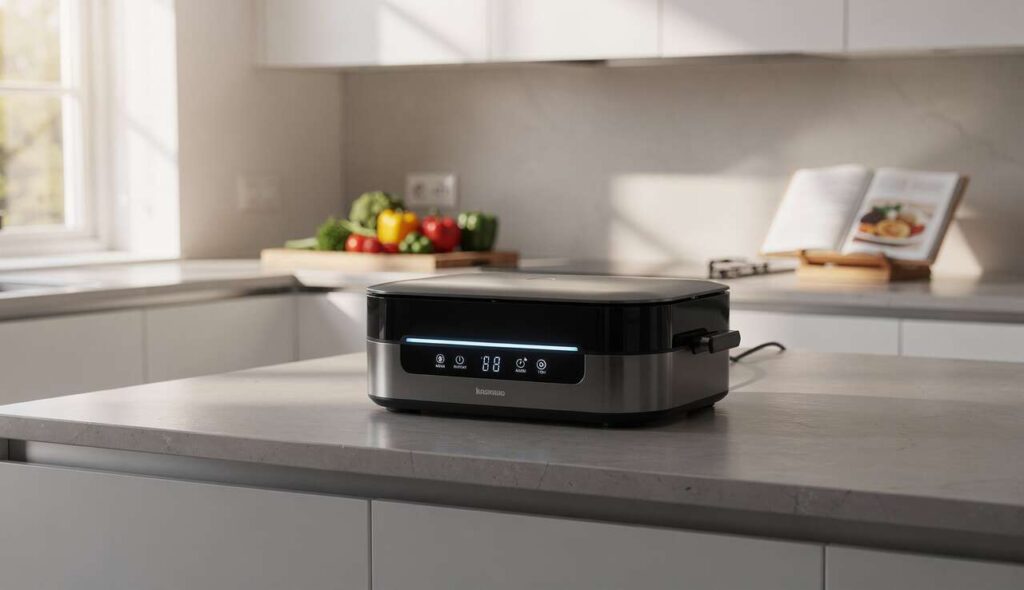
The modern kitchen is undergoing a remarkable transformation as families across the nation reconsider their cooking equipment. Traditional pressure cookers, once celebrated for their speed and efficiency, are being replaced by a new generation of intelligent appliances that promise greater safety, convenience, and precision. This shift reflects changing priorities among home cooks who seek devices that can simplify meal preparation without compromising quality or risking the hazards associated with older technologies. As households embrace automation and connectivity, the kitchen appliance market is witnessing a significant evolution driven by consumer demand for smarter, more reliable cooking solutions.
The rise of smart cookers
Market growth and consumer adoption
Smart cookers have experienced exponential growth in recent years, with sales figures demonstrating a clear consumer preference for connected kitchen technology. These appliances integrate advanced sensors, microprocessors, and wireless connectivity to deliver consistent cooking results across a wide variety of dishes. The market expansion reflects not only technological innovation but also a fundamental shift in how families approach meal preparation.
| Year | Smart Cooker Sales (millions of units) | Growth Rate |
|---|---|---|
| 2020 | 8.2 | – |
| 2021 | 12.5 | 52% |
| 2022 | 18.3 | 46% |
| 2023 | 26.7 | 46% |
Features driving popularity
Several key features distinguish smart cookers from their conventional counterparts and explain their rapid adoption:
- App-based control: users can monitor and adjust cooking parameters remotely through smartphone applications
- Recipe libraries: built-in databases containing thousands of pre-programmed recipes with automatic settings
- Voice assistant integration: compatibility with popular smart home ecosystems for hands-free operation
- Precision temperature control: advanced sensors maintain exact temperatures throughout the cooking process
- Automatic pressure release: intelligent systems manage steam release without manual intervention
These innovations address longstanding frustrations with traditional cooking methods while introducing capabilities that were previously unavailable to home cooks. The combination of convenience and performance has proven particularly appealing to families juggling multiple responsibilities.
Why families are saying goodbye to the traditional pressure cooker
Safety concerns with conventional models
Traditional pressure cookers have earned a reputation for unpredictability that continues to concern many users. The high-pressure environment created during cooking poses inherent risks when not properly managed. Reports of accidents involving scalding steam, explosive lid failures, and burns have contributed to widespread anxiety about using these devices. Parents especially express reluctance to operate appliances that could potentially cause harm in busy household environments where children and pets are present.
Complexity and learning curve
Beyond safety issues, conventional pressure cookers require significant knowledge and experience to operate effectively. Users must understand pressure levels, timing adjustments, natural versus quick release methods, and altitude considerations. This complexity creates barriers for novice cooks and leads to inconsistent results that discourage regular use. Many families report purchasing pressure cookers with enthusiasm only to abandon them after disappointing outcomes or intimidating experiences.
Limited versatility
Traditional models typically excel at specific tasks but lack the multifunctionality that modern households demand. The single-purpose nature of conventional pressure cookers means families must maintain multiple appliances to handle diverse cooking needs, consuming valuable kitchen space and financial resources. This limitation becomes increasingly problematic as living spaces shrink and consumers seek equipment that can perform multiple roles efficiently.
These accumulated frustrations have created fertile ground for innovative alternatives that address each concern while expanding culinary possibilities.
The technology transforming the kitchen
Sensor systems and artificial intelligence
Modern smart cookers employ sophisticated sensor arrays that continuously monitor temperature, pressure, humidity, and even food texture throughout the cooking process. These sensors feed data to onboard processors that make real-time adjustments to maintain optimal conditions. Some advanced models incorporate artificial intelligence algorithms that learn from each cooking session, gradually improving performance based on user preferences and outcomes.
Connectivity and ecosystem integration
The integration of smart cookers into broader home automation systems represents a significant technological leap. These appliances communicate with other connected devices, enabling coordinated meal preparation that synchronizes multiple cooking stages. Users can receive notifications when ingredients should be added, when cooking is complete, or when problems require attention. This connectivity extends the appliance’s utility beyond simple cooking functions to become a central component of intelligent kitchen management.
Safety mechanisms and fail-safes
Engineering advances have produced multiple redundant safety systems that virtually eliminate the risks associated with pressure cooking:
- Lid lock mechanisms: physical interlocks prevent opening while contents remain under pressure
- Pressure relief valves: automatic systems release excess pressure before dangerous levels accumulate
- Temperature limiters: circuits that shut down heating elements if unsafe conditions develop
- Steam diversion: engineered pathways direct hot steam away from users and sensitive surfaces
- Diagnostic monitoring: continuous self-testing identifies component failures before they create hazards
These technological improvements establish a foundation for the practical benefits that families experience daily.
Safety and simplicity: the key assets of new appliances
Eliminating user error
Smart cookers fundamentally redesign the user experience to minimize opportunities for mistakes. Automated systems handle the technical aspects of pressure cooking that traditionally required judgment and experience. The appliance determines appropriate pressure levels, calculates cooking times based on food type and quantity, and manages the release process according to recipe requirements. This automation removes the guesswork that often led to overcooked, undercooked, or unsafe results with conventional equipment.
Intuitive interfaces
Manufacturers have invested heavily in user interface design that makes smart cookers accessible to cooks of all skill levels. Touchscreens with clear visual guidance replace cryptic dials and buttons. Step-by-step instructions appear on displays, walking users through each stage of meal preparation. Many models feature simplified one-touch operation for common dishes, reducing the entire cooking process to selecting a recipe and pressing start.
Peace of mind for busy families
The combination of enhanced safety features and simplified operation provides psychological benefits that extend beyond practical considerations. Parents can confidently prepare meals without constant supervision or anxiety about potential accidents. The ability to monitor cooking remotely through smartphone apps means families can attend to other responsibilities while dinner prepares itself. This peace of mind transforms cooking from a stressful obligation into a manageable task that fits seamlessly into demanding schedules.
The practical advantages of safety and simplicity naturally lead to another transformative feature that has captured family attention.
Recipe automation: a boon for families
Extensive recipe databases
Smart cookers typically include comprehensive recipe collections that span cuisines, dietary preferences, and skill levels. These databases contain detailed instructions along with precise cooking parameters that the appliance executes automatically. Users simply select a dish, and the cooker adjusts temperature, pressure, timing, and other variables without requiring manual input. Regular software updates expand recipe libraries, continuously adding new options that keep meal planning fresh and interesting.
Customization and dietary accommodations
Advanced models allow users to modify recipes according to specific needs or preferences:
- Portion scaling: automatic adjustment of cooking parameters when recipe quantities change
- Ingredient substitutions: guidance for replacing components while maintaining successful outcomes
- Dietary filters: sorting recipes by allergen-free, vegetarian, low-sodium, or other health criteria
- Texture preferences: customizing doneness levels for vegetables, meats, and grains
- Meal planning integration: coordinating multiple recipes for complete dinners
Time savings and efficiency
Recipe automation delivers measurable time benefits that significantly impact family routines. Meals that previously required active cooking time of forty-five minutes to an hour can often be completed in twenty to thirty minutes with minimal supervision. The appliance handles tasks like stirring, temperature adjustment, and timing that would otherwise demand constant attention. This efficiency allows families to reclaim evening hours for activities beyond meal preparation, improving overall quality of life.
The theoretical benefits of automation become tangible when examining real experiences from households that have adopted this technology.
Testimonials from households won over by smart cooking
Working parents finding balance
Jennifer Martinez, a mother of three from suburban Chicago, describes her smart cooker as transformative for her family’s routine. She reports preparing healthy homemade meals five nights weekly compared to two before acquiring the appliance. The ability to start dinner remotely during her commute means her children enjoy hot meals shortly after she arrives home, eliminating the stress of rushed cooking and the temptation of takeout options.
Empty nesters rediscovering cooking
Robert and Susan Chen, retired educators from Portland, initially felt intimidated by modern kitchen technology but found smart cookers surprisingly accessible. They appreciate the guided cooking process that teaches techniques while producing consistent results. The couple now experiments with international cuisines they previously avoided, expanding their culinary repertoire without the frustration they experienced with traditional pressure cookers.
Young families prioritizing safety
David Thompson, a new father from Austin, specifically chose a smart cooker after researching pressure cooker accidents. He values the multiple safety mechanisms that allow him to cook while caring for his infant daughter. The remote monitoring capability provides reassurance when he needs to step away from the kitchen, and the automatic shutoff feature prevents the burning incidents he experienced with conventional stovetop cooking.
These personal accounts reflect broader trends documented in consumer satisfaction surveys, where smart cooker owners consistently report high approval ratings and recommend the appliances to friends and family. The combination of practical benefits and positive user experiences suggests this technology shift represents more than a temporary trend.
The movement away from traditional pressure cookers toward smart cooking appliances reflects fundamental changes in how families approach meal preparation. Enhanced safety features eliminate the anxiety and risks associated with conventional models, while intuitive interfaces make sophisticated cooking techniques accessible to users regardless of experience level. Recipe automation addresses time constraints that challenge busy households, delivering nutritious homemade meals without demanding constant attention or culinary expertise. The testimonials from diverse families demonstrate that these benefits translate into real improvements in daily life, from better nutrition to reduced stress and more family time. As technology continues advancing and prices become increasingly accessible, smart cookers appear positioned to become standard equipment in kitchens nationwide, permanently replacing the pressure cookers that once seemed indispensable but now feel unnecessarily complicated and hazardous.