



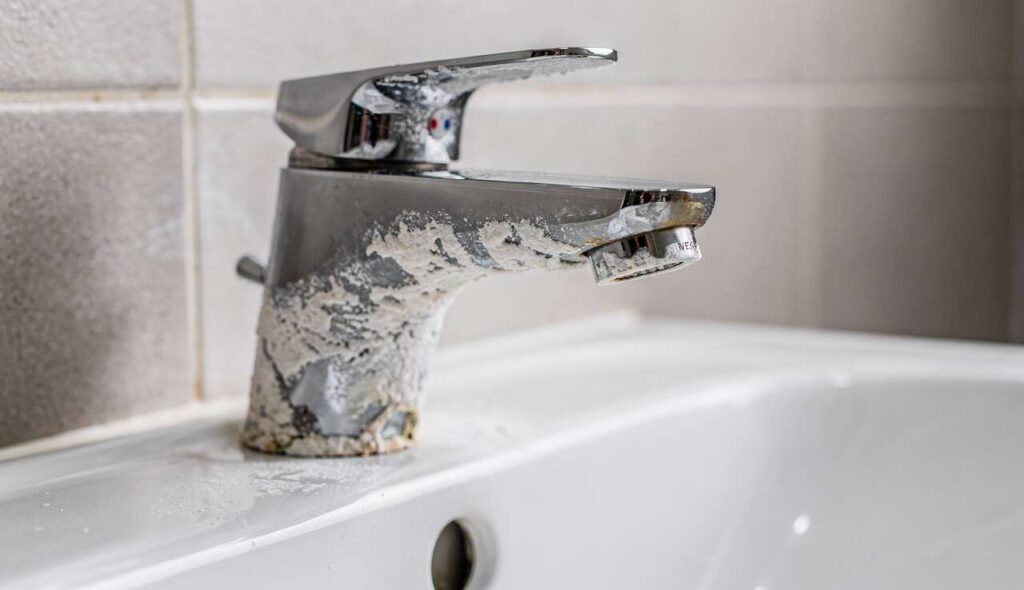
Hard water stains present a persistent challenge for homeowners, leaving unsightly mineral deposits on faucets, shower doors, and bathroom fixtures. These stubborn white or cloudy marks result from calcium and magnesium buildup that accumulates over time. Professional cleaners have identified surprisingly simple methods to tackle this common household problem, using readily available products that deliver impressive results without requiring expensive commercial cleaners or harsh chemicals.
Understanding hard water stains
What causes mineral deposits
Hard water contains elevated levels of dissolved minerals, primarily calcium and magnesium carbonates. When water evaporates from surfaces, these minerals remain behind, creating the characteristic white, chalky residue that becomes increasingly difficult to remove as layers accumulate. The severity of hard water stains depends on the mineral concentration in your local water supply, which varies significantly by region.
Common surfaces affected by buildup
Hard water stains appear on various household surfaces, each presenting unique challenges:
- Glass shower doors and enclosures develop cloudy films
- Chrome faucets and fixtures show white crusty deposits
- Ceramic tiles accumulate dull, chalky residue
- Stainless steel sinks display water spots and streaks
- Toilet bowls develop rings and discoloration
Different materials require tailored approaches to prevent damage while effectively removing mineral buildup. Understanding which surfaces you’re treating helps determine the appropriate cleaning method and product selection.
Recognizing the nature of these deposits and their formation patterns sets the foundation for selecting the right removal approach that professionals consistently recommend.
The necessary tools for stain removal
Basic cleaning equipment
Professional cleaners emphasize that simple tools often work best for removing hard water stains. Essential items include microfiber cloths, which trap minerals effectively without scratching surfaces, and spray bottles for even product application. Non-abrasive scrubbing pads provide gentle agitation, while squeegees help prevent future buildup by removing water before it evaporates.
Optional specialized items
For stubborn deposits, professionals sometimes incorporate additional tools:
- Plastic scrapers for thick buildup on glass
- Old toothbrushes for detailed work around fixtures
- Pumice stones specifically designed for porcelain toilets
- Small buckets for mixing cleaning solutions
These basic supplies, most already present in typical households, form the complete toolkit that experts rely on for tackling even severe mineral deposits.
Having assembled the proper equipment, attention turns to the cleaning agents that deliver the most effective results according to industry professionals.
Natural products recommended by experts
White vinegar as the primary solution
White distilled vinegar stands as the overwhelmingly preferred choice among professional cleaners for hard water stain removal. Its acetic acid content dissolves calcium and magnesium deposits effectively while remaining safe for most surfaces. Experts recommend using undiluted vinegar for maximum effectiveness, applying it directly to affected areas and allowing sufficient contact time for the acid to break down mineral bonds.
Complementary natural alternatives
Professionals also endorse several additional natural products that work independently or enhance vinegar’s effectiveness:
| Product | Primary Use | Effectiveness |
|---|---|---|
| Lemon juice | Light stains and polishing | Moderate |
| Baking soda | Gentle abrasive paste | High when combined |
| Borax | Toilet bowl rings | High |
Creating effective cleaning pastes
Mixing baking soda with vinegar or lemon juice creates a powerful cleaning paste that combines chemical dissolution with gentle abrasion. This combination proves particularly effective on textured surfaces where liquid cleaners alone cannot reach into crevices. The fizzing reaction helps lift deposits while the paste consistency allows for targeted application on vertical surfaces.
With these proven natural products identified, the focus shifts to the specific application techniques that maximize their stain-removing potential.
Proven techniques for effective cleaning
The soaking method for glass surfaces
For shower doors and windows, professionals advocate saturating paper towels or cloths with vinegar and pressing them against stained glass. This method maintains constant contact between the acid and mineral deposits for 30 to 60 minutes, allowing thorough dissolution. After soaking, a gentle wipe with a microfiber cloth typically removes even stubborn buildup without scrubbing.
Direct application for fixtures
Chrome faucets and metal fixtures respond best to direct vinegar application:
- Spray undiluted vinegar generously on affected areas
- Allow 15 to 20 minutes for penetration
- Scrub gently with a non-abrasive pad
- Rinse thoroughly with clean water
- Dry completely with a microfiber cloth
Paste application for stubborn deposits
Thick mineral buildup requires more aggressive treatment using baking soda paste. Experts recommend applying a generous layer of paste made from three parts baking soda to one part water, letting it sit for 15 minutes, then scrubbing in circular motions. For extremely stubborn stains, adding vinegar to the baking soda creates an effervescent reaction that helps lift deposits more effectively.
While these techniques prove highly effective, proper precautions ensure surfaces remain undamaged during the cleaning process.
Precautions to avoid damage
Surface-specific considerations
Different materials require specific protective measures. Natural stone surfaces including marble and granite should never contact acidic cleaners like vinegar, as acids etch and dull these materials permanently. Similarly, brass and copper fixtures may tarnish with prolonged vinegar exposure. Always test cleaning solutions on inconspicuous areas before full application.
Timing and concentration guidelines
Professionals emphasize that longer contact time does not always mean better results. Extended exposure to acidic cleaners can damage grout, sealants, and certain metal finishes. Following recommended timeframes prevents unnecessary surface degradation:
| Surface Type | Maximum Contact Time | Rinse Required |
|---|---|---|
| Glass | 60 minutes | Yes |
| Chrome fixtures | 20 minutes | Immediately |
| Ceramic tile | 30 minutes | Thoroughly |
Protective equipment recommendations
While natural products present minimal health risks, experts still recommend wearing gloves to protect skin from prolonged acid exposure. Adequate ventilation prevents vinegar fumes from causing respiratory irritation, particularly in enclosed bathroom spaces.
Beyond removing existing stains, implementing preventive measures reduces the frequency of intensive cleaning sessions.
Tips to prevent future stains
Daily maintenance habits
Squeegeing shower doors and walls after each use represents the single most effective prevention strategy according to professional cleaners. This simple action removes water before minerals can deposit, dramatically reducing buildup. Wiping down faucets and fixtures daily with a dry cloth similarly prevents spot formation.
Water softening solutions
For homes with severely hard water, professionals recommend considering:
- Whole-house water softening systems that remove minerals before distribution
- Showerhead filters that reduce mineral content in bathroom water
- Faucet aerators with built-in filtration
- Reverse osmosis systems for drinking water taps
Regular cleaning schedules
Preventing heavy buildup through consistent light cleaning proves far easier than removing thick deposits. Experts suggest weekly vinegar spray applications on shower surfaces and monthly deep cleaning of all fixtures. This proactive approach maintains surfaces in optimal condition with minimal effort.
Hard water stains need not remain a permanent fixture in your home. The professional consensus points clearly toward white vinegar as the most effective, economical, and environmentally friendly solution for dissolving mineral deposits. Combined with proper tools, proven application techniques, and appropriate precautions, this simple household staple tackles even stubborn buildup on various surfaces. Implementing daily maintenance habits and considering water softening options further reduces cleaning demands. These expert-endorsed methods transform what seems like an overwhelming problem into a manageable maintenance routine, restoring sparkle to fixtures and clarity to glass surfaces throughout your home.