



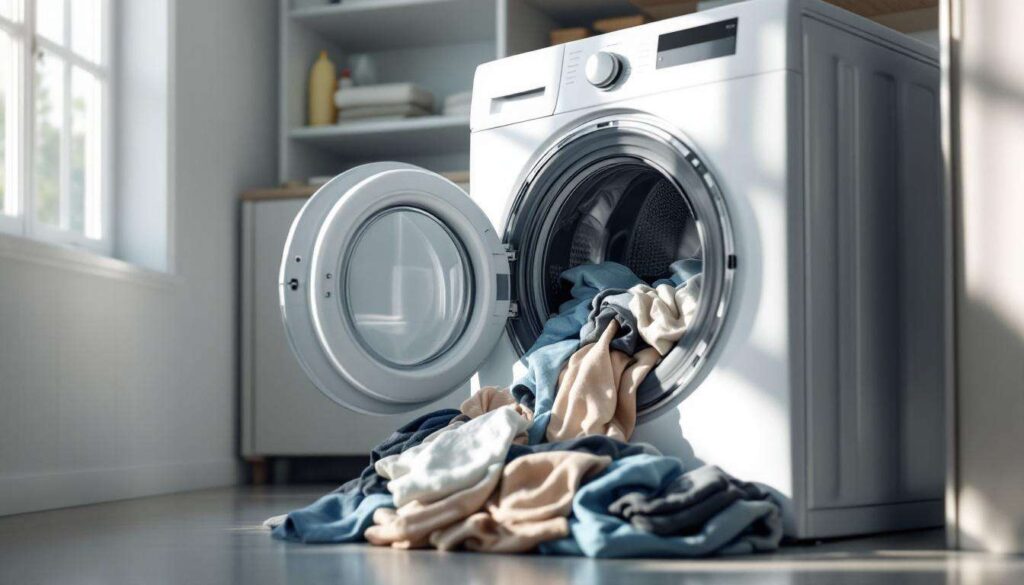
Stuffing your washing machine to capacity might seem like an efficient way to tackle laundry day, but this common habit could be causing more harm than good. Many households unknowingly compromise both their appliances and clothing quality by cramming too many items into a single load. Understanding the consequences of overloading and learning proper loading techniques can extend the life of your washing machine while ensuring your clothes come out truly clean.
The hidden risks of overloading
Mechanical stress on internal components
When you overload your washing machine, you subject its internal mechanisms to excessive strain that they weren’t designed to handle. The drum, motor, and suspension system work together to create the spinning motion necessary for cleaning, but too much weight disrupts this delicate balance. The bearings that support the drum face disproportionate pressure, leading to premature wear and potential failure.
- Increased vibration during spin cycles
- Unusual noises indicating component stress
- Potential damage to shock absorbers
- Accelerated wear on drive belts
Water distribution problems
An overstuffed drum prevents water and detergent from circulating properly throughout the load. This creates uneven distribution where some items receive too much soap while others get barely any. The washing machine relies on adequate space for water to flow between fabric layers, dissolving dirt and carrying it away. When clothes are packed too tightly, this essential process becomes severely compromised.
These mechanical and functional challenges create a foundation for understanding why proper loading matters so much for overall washing performance.
Impact on washing efficiency
Reduced cleaning effectiveness
The primary purpose of a washing machine is to clean your clothes thoroughly, but overloading directly undermines this goal. Garments need room to move freely through the water and detergent mixture, creating the friction and agitation necessary to remove dirt, oils, and stains. When items are compressed together, they cannot tumble properly, resulting in inadequate cleaning.
| Load capacity | Cleaning effectiveness | Water circulation |
|---|---|---|
| 75% full | Optimal | Excellent |
| 90% full | Good | Adequate |
| 100%+ full | Poor | Insufficient |
Detergent and rinse issues
Overloading creates problems with both detergent application and rinsing. The soap cannot penetrate densely packed fabrics, leaving some areas unwashed while others accumulate excess detergent residue. During the rinse cycle, trapped soap remains in fabric folds and between layers of clothing. This residue can cause skin irritation, create stiffness in fabrics, and leave visible streaks on darker garments.
Beyond the immediate cleaning concerns, these efficiency problems also affect the long-term condition of your washing machine itself.
Consequences on the washing machine
Motor and transmission damage
The motor is the heart of your washing machine, and overloading forces it to work significantly harder than intended. When faced with excessive weight, the motor draws more electricity and generates more heat, both of which accelerate wear. The transmission system that converts motor power into drum rotation faces similar stress, with gears and clutches grinding under loads they weren’t engineered to handle.
Shortened appliance lifespan
Consistently overloading your washing machine can reduce its operational life by several years. Manufacturers design these appliances with specific capacity limits based on extensive testing. Exceeding these limits regularly creates a cascade of failures that compound over time.
- Drum bearing failures requiring costly repairs
- Motor burnout from continuous overexertion
- Suspension system collapse
- Electronic control board malfunctions
- Door seal deterioration from excessive pressure
The financial impact of premature appliance replacement extends beyond the machine itself to the clothing being washed.
Premature deterioration of textiles
Fabric damage from inadequate movement
When clothes cannot move freely during the wash cycle, they experience abnormal stress patterns that damage fibers. Instead of gentle tumbling action, overloaded items get crushed and twisted against each other and the drum walls. This creates excessive friction in concentrated areas, wearing through fabric much faster than normal washing would.
Color fading and texture changes
Trapped detergent residue from overloading doesn’t just affect cleanliness; it actively damages fabric over time. The concentrated chemicals break down fibers, causing colors to fade unevenly and textures to become rough or pilled. Delicate items suffer the most, with elastic losing stretch and fine fabrics developing weak spots that tear easily.
| Textile type | Damage from overloading | Lifespan reduction |
|---|---|---|
| Cotton | Pilling, thinning | 30-40% |
| Synthetics | Static, shape loss | 25-35% |
| Delicates | Tearing, stretching | 50-60% |
Understanding these damaging effects makes it clear that learning proper loading techniques is essential for protecting your investment in both appliances and clothing.
Tips to optimize loading
The hand test method
A simple and reliable way to determine proper load size is the hand test. After loading your clothes, place your hand vertically into the drum at the top of the pile. You should be able to fit your entire hand comfortably between the clothes and the top of the drum. If you cannot, you’ve overloaded the machine and should remove some items.
Weight and volume guidelines
Different washing machines have varying capacities, typically measured in pounds or kilograms. Check your owner’s manual for specific limits, but general guidelines help maintain optimal performance.
- Fill the drum no more than three-quarters full
- Leave space for items to move freely
- Separate heavy items like towels from lighter garments
- Consider fabric type when calculating load size
- Balance loads to prevent excessive vibration
Sorting strategies for better results
Proper sorting goes beyond separating colors. Grouping items by weight and fabric type allows you to create appropriately sized loads that wash more effectively. Heavy towels and bedding should be washed separately from lightweight clothing, as they absorb different amounts of water and require different agitation levels.
With these practical loading techniques in place, attention can turn to avoiding other common mistakes that compromise washing results.
Preventing common washing errors
Detergent dosing accuracy
Using the correct amount of detergent is just as important as proper loading. Too much soap creates excessive suds that prevent proper cleaning and leave residue, while too little fails to remove dirt effectively. Follow the manufacturer’s recommendations based on load size and water hardness, and consider using high-efficiency detergent for HE machines.
Cycle selection awareness
Different wash cycles exist for specific purposes, and choosing the wrong one can compound the problems caused by overloading. Heavy-duty cycles use more water and stronger agitation, which can help with fuller loads but shouldn’t be used as a solution for chronic overloading. Delicate cycles use less movement, making them particularly vulnerable to poor results when overloaded.
- Match cycle intensity to fabric type
- Use extra rinse for heavily soiled items
- Select appropriate water temperature
- Avoid using quick cycles for full loads
Regular maintenance practices
Preventing washing problems requires ongoing attention to machine maintenance. Clean the detergent dispenser regularly to prevent buildup, run monthly cleaning cycles with machine cleaner or vinegar, and inspect door seals for debris or mold. These simple practices help your washing machine operate at peak efficiency regardless of load size.
Taking the time to properly load your washing machine and avoid common errors protects both your appliance investment and your wardrobe. The few extra minutes spent sorting loads appropriately and following capacity guidelines pay dividends through cleaner clothes, lower repair costs, and extended appliance life. By respecting your washing machine’s limitations and understanding how overloading creates cascading problems, you ensure optimal performance for years to come while keeping your textiles looking their best.