



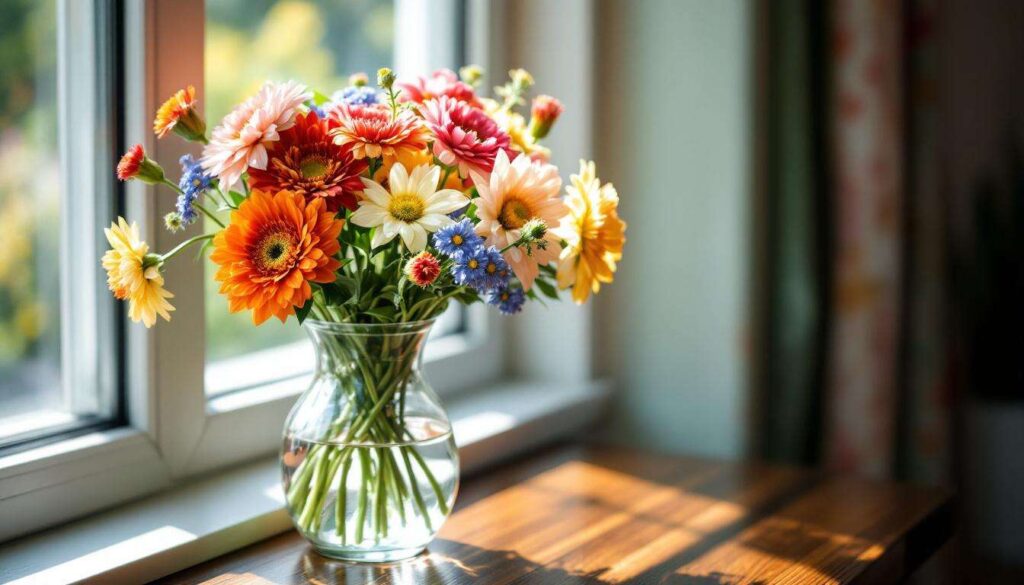
Fresh flowers bring beauty and fragrance to any space, but their lifespan remains frustratingly short. Within days, petals wilt, stems droop, and the vibrant colors fade. Florists and gardening enthusiasts have long searched for effective methods to extend the life of cut flowers. While commercial flower foods and various home remedies exist, one simple natural ingredient stands out for its remarkable ability to keep blooms fresh significantly longer. This ingredient is readily available in most kitchens and requires no special preparation or expensive investment.
The secret ingredient to prolonging the freshness of cut flowers
Sugar as the key to extended flower life
The natural ingredient that transforms flower longevity is white granulated sugar. This common household staple provides cut flowers with essential nutrients they can no longer obtain from their roots. When flowers are cut from their parent plant, they lose access to the natural sugars produced through photosynthesis. Adding sugar to their water replaces this vital energy source and enables the blooms to maintain their structure and color for extended periods.
The optimal sugar concentration
The effectiveness of sugar depends on using the correct amount. Too little sugar provides insufficient nourishment, while excessive amounts can actually harm the flowers. The recommended ratio includes:
- One to two tablespoons of sugar per quart of water
- Adjustment based on flower type and size
- Fresh solution every two to three days
- Room temperature water for optimal absorption
Different flower varieties respond differently to sugar concentrations, with delicate blooms like tulips requiring less sugar than hardy flowers such as roses or chrysanthemums.
| Flower Type | Sugar Amount (per quart) | Expected Longevity Increase |
|---|---|---|
| Roses | 2 tablespoons | 5-7 days |
| Tulips | 1 tablespoon | 3-5 days |
| Carnations | 2 tablespoons | 7-10 days |
| Lilies | 1.5 tablespoons | 5-8 days |
Understanding why sugar works so effectively requires examining the biological processes that occur within cut flowers.
Why is this natural ingredient effective ?
The biology of cut flowers
Cut flowers face immediate challenges once separated from their root system. They can no longer produce glucose through photosynthesis in sufficient quantities to sustain themselves. Sugar in the vase water acts as a substitute food source, providing the carbohydrates necessary for cellular respiration. This process generates the energy required to maintain cell structure, support water uptake, and preserve the vibrant appearance of petals.
Preventing premature wilting
Beyond nutrition, sugar helps flowers maintain turgor pressure within their cells. This pressure keeps petals firm and upright. When flowers lack adequate energy, their cells cannot regulate water properly, leading to the characteristic drooping associated with aging blooms. The sugar solution supports proper cellular function and delays the onset of wilting.
Enhancing water absorption
Sugar also improves the flower’s ability to absorb water through the stem. The dissolved sugar creates an osmotic gradient that facilitates water movement into the plant tissues. This enhanced hydration keeps flowers looking fresh and prevents the dehydration that causes petals to become papery and discolored.
Knowing the science behind sugar’s effectiveness makes implementing this method straightforward and accessible to anyone.
How to use this ingredient: steps to follow
Preparing the sugar solution
Creating the perfect flower-preserving solution requires attention to detail. Begin with a clean vase to eliminate bacteria that could shorten flower life. Fill the vase with room temperature water, as cold water restricts stem absorption while hot water can damage delicate tissues.
Step-by-step application process
Follow these specific steps for optimal results:
- Measure the appropriate amount of white sugar based on water volume
- Stir thoroughly until the sugar completely dissolves
- Cut flower stems at a 45-degree angle under running water
- Remove any leaves that would sit below the waterline
- Place flowers immediately into the prepared solution
- Position the vase away from direct sunlight and heat sources
- Replace the sugar water solution every two to three days
Additional enhancement tips
For even better results, consider adding two drops of bleach or a penny to the sugar solution. These additions inhibit bacterial growth that can clog stems and reduce water uptake. The antimicrobial properties work synergistically with the sugar to create an ideal environment for cut flowers.
While practical experience demonstrates sugar’s effectiveness, scientific research provides compelling validation of this traditional method.
The scientific evidence of its effectiveness
Research findings on sugar supplementation
Horticultural studies have consistently confirmed that sugar solutions extend cut flower longevity. Research published in various agricultural journals demonstrates that flowers in sugar-supplemented water maintain better color retention, petal firmness, and overall appearance compared to those in plain water. The studies measure specific parameters including fresh weight retention, water uptake rates, and visual quality scores.
Biochemical mechanisms
Scientists have identified the precise mechanisms through which sugar preserves flowers. The exogenous sugar supply maintains respiration rates in cut flowers, allowing continued protein synthesis and membrane integrity. This metabolic support prevents the rapid degradation that occurs when flowers exhaust their internal energy reserves. Additionally, sugar helps maintain the pH balance in stem tissues, which is crucial for proper water transport.
| Measurement | Plain Water | Sugar Solution |
|---|---|---|
| Average vase life | 4-5 days | 8-12 days |
| Water uptake rate | Standard | 40% increase |
| Color retention | Moderate | Excellent |
These documented benefits make sugar a scientifically validated choice, yet many wonder how it compares to other preservation approaches.
Comparison with traditional preservation methods
Commercial flower food packets
Commercial flower preservatives typically contain sugar along with acidifiers and biocides. While effective, they cost significantly more than plain sugar and may not always be readily available. Sugar alone provides comparable results at a fraction of the cost, making it an economical alternative for regular flower arrangements.
Other home remedies
Various folk remedies exist for preserving cut flowers, including aspirin, vodka, and lemon-lime soda. Each has theoretical benefits, but sugar remains the most consistently effective single ingredient. Aspirin may help with pH adjustment, while alcohol provides antimicrobial properties, but neither supplies the essential nutrition that sugar offers.
Cost and convenience analysis
- Sugar: pennies per use, universally available
- Commercial packets: higher cost, requires purchasing
- Aspirin method: moderate effectiveness, additional cost
- Soda method: contains sugar but also unnecessary additives
The simplicity and accessibility of sugar make it the preferred choice for most households seeking to maximize their floral investments.
Frequently asked questions about using this ingredient
Can I use other types of sugar ?
White granulated sugar works best because it dissolves completely and contains no additives. Brown sugar, honey, and artificial sweeteners are not recommended as they may introduce compounds that promote bacterial growth or fail to provide the right type of carbohydrates.
Will sugar attract insects ?
When used in proper concentrations and with regular water changes, sugar solutions do not typically attract pests. The key is maintaining cleanliness and replacing the solution before it becomes cloudy or develops odors.
Does this work for all flower types ?
Most cut flowers benefit from sugar supplementation, though some varieties show more dramatic improvements than others. Roses, carnations, and chrysanthemums respond particularly well, while some wildflowers and bulb flowers may require adjusted concentrations.
Extending the life of cut flowers need not involve expensive commercial products or complex procedures. Simple white sugar provides the essential nutrition that cut blooms require to maintain their beauty and freshness. By understanding the biological basis for this method and following proper preparation techniques, anyone can significantly increase the longevity of their floral arrangements. The combination of scientific validation, practical effectiveness, and economic accessibility makes sugar the ideal choice for flower preservation. Regular application of this straightforward method transforms fleeting blooms into lasting displays that continue bringing joy and beauty for days beyond their typical lifespan.