

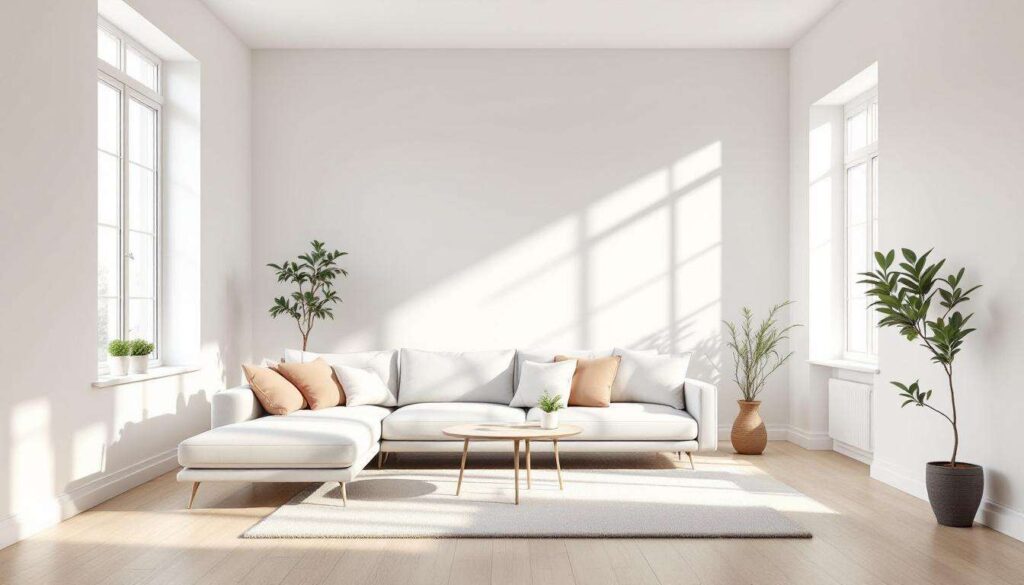
White walls, sleek surfaces, and empty countertops once defined the pinnacle of sophisticated living. For years, minimalist interiors dominated design magazines, social media feeds, and home renovation projects across the country. The aesthetic promised tranquility, order, and a respite from the chaos of modern life. Yet as design preferences shift and homeowners seek spaces that feel more lived-in and personal, questions arise about whether this once-ubiquitous style still holds its position at the forefront of interior design.
Minimalism in 2026: an Outdated Trend ?
The minimalist movement, rooted in mid-century modernism and Japanese design philosophies, championed the mantra “less is more.” Its core principles emphasized clean lines, neutral color palettes, and functional furniture stripped of unnecessary ornamentation. Throughout the 2010s, this aesthetic became synonymous with contemporary living, particularly in urban environments where space came at a premium.
The Current State of Minimalism
Recent surveys and design industry reports suggest a notable departure from strict minimalism. Homeowners increasingly describe all-white, sparse interiors as cold and unwelcoming. The phenomenon known as “beige burnout” reflects widespread fatigue with overly neutral spaces that lack personality and warmth. Design professionals observe that clients now request:
- Warmer color schemes featuring earth tones
- Textured fabrics and layered materials
- Decorative objects that tell personal stories
- Statement pieces that create visual interest
This shift doesn’t necessarily mean minimalism has become completely obsolete. Rather, the rigid interpretation of minimalist principles appears to be losing favor. Spaces that feel sterile or institutional no longer appeal to those seeking comfort in their homes.
Statistical Evidence of Changing Preferences
| Design Element | Popularity in 2020 | Popularity in 2026 |
|---|---|---|
| All-white interiors | 68% | 32% |
| Warm neutrals | 45% | 79% |
| Decorative accessories | 38% | 71% |
| Bold accent colors | 29% | 64% |
These figures illustrate a clear trend toward more expressive, layered interiors. While minimalism retains some adherents, its dominance has clearly waned as design preferences evolve toward greater visual complexity and emotional warmth.
The Evolution of Tastes: from Minimalism to Maximalism
The pendulum swing from minimalism toward maximalism represents more than a simple aesthetic reversal. This evolution reflects deeper cultural shifts in how people relate to their living spaces and express their identities through design choices.
Understanding Maximalism
Maximalism embraces abundance, pattern mixing, and bold color combinations. Unlike minimalism’s restraint, maximalist interiors celebrate:
- Eclectic collections of art and objects
- Rich textures including velvet, silk, and wool
- Wallpapers with dramatic patterns
- Layered lighting from multiple sources
- Furniture in varied styles and periods
This approach creates spaces that feel curated and personal rather than showroom-perfect. Maximalism allows homeowners to display cherished possessions, travel souvenirs, and family heirlooms without apology.
The Middle Ground Emerges
Many designers now advocate for a balanced approach that incorporates elements from both aesthetics. This hybrid style maintains minimalism’s emphasis on quality and intentionality while embracing maximalism’s warmth and personality. The result is spaces that feel both organized and inviting, combining the best attributes of each philosophy.
As homeowners seek this balance, they’re discovering that interior design need not adhere strictly to one philosophy or another, opening new possibilities for creative expression.
Designers and the End of the “Safe” Design Era
Professional interior designers report significant changes in client expectations and project briefs. The era of playing it safe with neutral palettes and minimal furnishings appears to be ending as clients request more distinctive and memorable spaces.
What Designers Are Observing
Industry professionals note several key shifts in client preferences:
- Increased willingness to experiment with color
- Desire for unique, one-of-a-kind pieces
- Interest in sustainable and handcrafted items
- Preference for spaces that reflect personal history
- Rejection of cookie-cutter design solutions
Designers emphasize that clients no longer want homes that could appear in generic lifestyle magazines. Instead, they seek spaces with character and soul that reflect their individual tastes and experiences.
The Role of Social Media
Platforms showcasing interior design have evolved beyond the pristine minimalist aesthetic. Users increasingly share spaces featuring collected objects, vibrant colors, and personal touches. This shift in what garners attention online influences broader design trends, creating a feedback loop that encourages more expressive interiors.
This transformation in professional practice and client expectations naturally raises questions about what specific styles and elements are gaining prominence.
What Is Replacing Minimalism Today ?
Several distinct trends are filling the space once dominated by minimalism, each offering different approaches to creating comfortable, personalized interiors.
Warm Minimalism
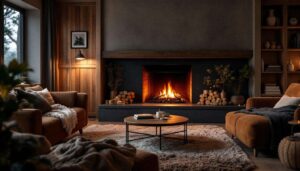
This evolution of traditional minimalism retains clean lines and uncluttered spaces while incorporating warmer materials and softer color palettes. Key characteristics include:
- Earth tones like terracotta, clay, and sand
- Natural wood in medium to dark finishes
- Textured fabrics such as linen and bouclé
- Organic shapes and curved furniture
Grandmillennial Style
This trend celebrates traditional design elements with a fresh perspective, incorporating vintage patterns, antique furniture, and nostalgic accessories. It represents a conscious rejection of minimalism’s modernity in favor of time-tested comfort.
Biophilic Design
Emphasizing connection with nature, this approach integrates plants, natural materials, and organic forms. While maintaining some minimalist principles of simplicity, it adds life and vitality through greenery and natural textures.
| Design Trend | Key Features | Color Palette |
|---|---|---|
| Warm Minimalism | Clean lines, natural materials | Earth tones, warm neutrals |
| Grandmillennial | Vintage pieces, patterns | Pastels, florals, traditional hues |
| Biophilic | Plants, organic shapes | Greens, natural wood tones |
These emerging styles share a common thread of prioritizing comfort and personal expression over austere simplicity, though each accomplishes this goal through different means.
Cluttered Decorative Details: Tiredness and Renewal
The reaction against minimalism doesn’t mean embracing chaos. Rather, homeowners are learning to thoughtfully incorporate meaningful details without creating visual overwhelm.
Finding the Right Balance
The challenge lies in adding personality without sacrificing functionality or creating actual clutter. Successful approaches include:
- Curating collections rather than displaying everything
- Using decorative storage solutions
- Creating focal points with statement pieces
- Maintaining clear surfaces in work areas
- Rotating seasonal decorations
This measured approach allows for self-expression while maintaining the organizational benefits that made minimalism appealing in the first place.
The Psychology of Decorated Spaces
Research suggests that personalized environments contribute to emotional well-being and sense of belonging. Spaces filled with meaningful objects can provide comfort and spark joy, countering the sometimes sterile feel of strict minimalism. However, excessive clutter creates stress, highlighting the importance of intentional decoration.
Understanding these psychological factors helps explain why many people are reconsidering their relationship with minimalist principles.
Does Minimalism Still Have a Place in Our Interiors ?
Despite shifting trends, minimalism retains value and relevance when adapted to contemporary needs. The core principles of intentionality, quality over quantity, and functional design remain sound even as their expression evolves.
Modern Minimalism Redefined
Contemporary interpretations of minimalism focus on:
- Thoughtful curation rather than stark emptiness
- Quality craftsmanship in fewer pieces
- Flexibility to accommodate personal touches
- Sustainable choices and longevity
- Calm environments without sterility
This evolved minimalism acknowledges that “less is more” doesn’t require sacrificing warmth or personality. Instead, it emphasizes making deliberate choices about what enters a space.
Where Minimalism Still Thrives
Certain contexts continue to benefit from minimalist approaches. Small spaces, home offices, and areas requiring concentration often function better with simplified design. The key is applying minimalist principles where they serve specific purposes rather than as a blanket aesthetic.
Design trends constantly evolve, reflecting changing lifestyles, cultural values, and aesthetic preferences. While pure minimalism may no longer dominate interior design, its fundamental principles continue to influence how people create functional, beautiful spaces. The current movement toward warmer, more personalized interiors doesn’t reject minimalism entirely but rather refines it, incorporating emotional warmth and individual expression. Whether through warm minimalism, maximalist exuberance, or hybrid approaches, homeowners now have greater freedom to create spaces that truly reflect their needs and personalities. The question isn’t whether minimalism is dead, but how its core values can adapt to serve contemporary living in more nuanced, human-centered ways.