



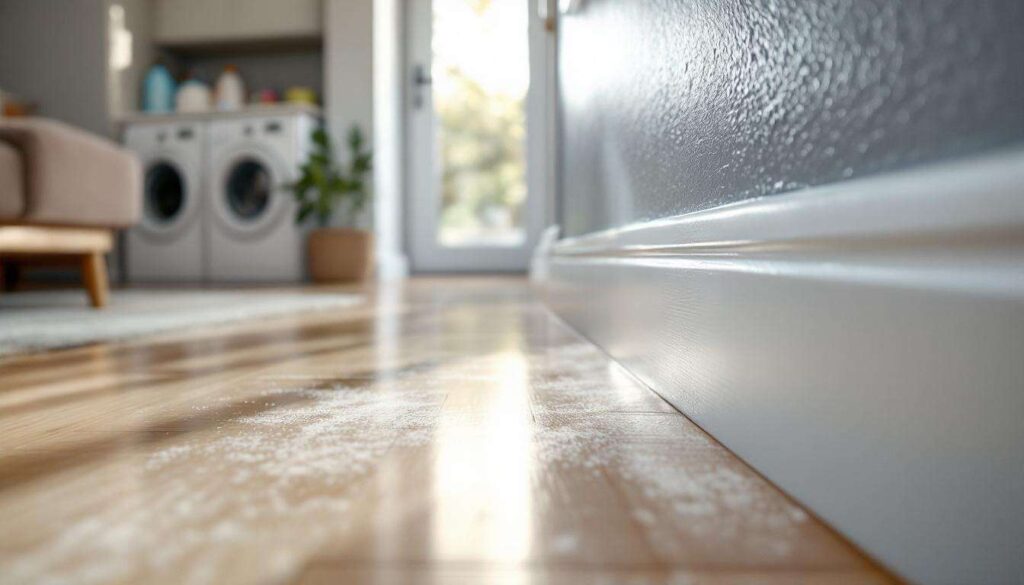
Baseboards often go unnoticed in daily cleaning routines, yet they accumulate dust and grime faster than most surfaces in your home. The constant airflow near floor level, combined with foot traffic and pet activity, creates a perfect storm for dirt buildup. While traditional cleaning methods work, they often require frequent repetition. A simple solution lies in your laundry room: dryer sheets offer an unexpected yet highly effective way to keep baseboards dust-free for extended periods.
Understanding why dryer sheets repel dust
The science behind anti-static properties
Dryer sheets contain fabric softening agents and anti-static compounds that reduce static electricity on surfaces. When you rub a dryer sheet across your baseboards, these compounds transfer to the surface, creating an invisible barrier. Static electricity naturally attracts dust particles, so by neutralizing this charge, dryer sheets prevent dust from clinging to your baseboards in the first place.
Chemical composition that matters
The key ingredients in dryer sheets include:
- Quaternary ammonium compounds that reduce static cling
- Fatty acids that create a smooth, repellent surface
- Fragrance oils that leave a pleasant scent
- Conditioning agents that coat surfaces with a protective layer
This combination creates a dust-resistant coating that can last several days to weeks, depending on household traffic and environmental conditions. The same properties that keep your clothes soft and static-free work equally well on painted or finished wood surfaces.
Long-term effectiveness compared to traditional methods
| Cleaning Method | Dust-Free Duration | Effort Required |
|---|---|---|
| Dry cloth only | 1-2 days | Low |
| Damp cloth | 3-4 days | Medium |
| Dryer sheet method | 7-14 days | Low |
The extended protection period means less frequent cleaning sessions and more time for other household tasks. This efficiency makes dryer sheets a practical choice for busy households looking to maintain cleaner living spaces with minimal effort.
How to use dryer sheets on your baseboards
Preparing your baseboards for treatment
Before applying dryer sheets, ensure your baseboards are clean and dry. Remove loose dust with a vacuum cleaner attachment or a dry microfiber cloth. For sticky residue or stubborn dirt, wipe down the surface with a slightly damp cloth and allow it to dry completely. The dryer sheet treatment works best on clean surfaces, as it seals in whatever is already present.
Application technique for maximum coverage
Take a fresh or lightly used dryer sheet and rub it directly along the entire length of each baseboard. Use moderate pressure and overlapping strokes to ensure complete coverage. Pay special attention to:
- Corners where dust tends to accumulate
- Areas near heating vents or air returns
- High-traffic zones where static buildup is greatest
- Textured or grooved baseboard surfaces
One dryer sheet typically covers approximately 10-15 feet of baseboard before losing effectiveness. For larger homes, keep several sheets handy to maintain consistent application throughout your space.
Frequency of reapplication
Depending on your household conditions, reapply the dryer sheet treatment every one to two weeks. Homes with pets, children, or open windows may require more frequent applications. You’ll notice when it’s time to reapply as dust begins accumulating more quickly than usual. This simple maintenance routine takes only minutes but delivers noticeable results in keeping your baseboards cleaner longer.
Beyond dryer sheets, several other household items can help maintain dust-free baseboards with varying degrees of effectiveness.
Alternatives to dryer sheets for baseboards
Fabric softener solution
Mix one part liquid fabric softener with four parts water in a spray bottle. Lightly mist your baseboards and wipe with a microfiber cloth. This method provides similar anti-static benefits as dryer sheets but in liquid form, making it easier to cover large areas quickly. The solution leaves behind the same protective coating that repels dust particles.
Commercial anti-static sprays
Purpose-made anti-static sprays designed for electronics and furniture work exceptionally well on baseboards. These products often contain stronger formulations than household alternatives and may provide longer-lasting protection. Simply spray and wipe according to product instructions for a professional-grade dust barrier.
Natural alternatives for sensitive households
For homes with allergies or chemical sensitivities, consider these natural options:
- White vinegar and water solution (1:1 ratio)
- Olive oil on a soft cloth for wood baseboards
- Beeswax-based furniture polish
- Plain water with a few drops of essential oil
While these natural alternatives may not provide the same anti-static properties, they still create a smooth surface that dust finds harder to cling to, extending the time between cleanings.
Regardless of which product you choose, following a systematic cleaning approach ensures the best results.
Steps for effective baseboard cleaning
Initial dust removal
Begin by removing loose dust and debris using a vacuum cleaner with a soft brush attachment. Work from one end of the room to the other, using long, overlapping strokes. This preliminary step prevents you from simply spreading dirt around during the wet cleaning phase. For hard-to-reach corners, use a small brush or old toothbrush to dislodge trapped particles.
Deep cleaning process
After removing loose dust, address any stains or sticky spots with a cloth dampened in warm, soapy water. A mild dish soap works well for most surfaces. Scrub gently in circular motions, paying extra attention to scuff marks from shoes or furniture. Rinse the cloth frequently to avoid spreading dirt.
Drying and protective treatment
Use a clean, dry towel to remove all moisture from the baseboards. This step is crucial because applying dryer sheets or other protective treatments to damp surfaces reduces their effectiveness. Once completely dry, apply your chosen dust-repellent method, whether dryer sheets, fabric softener solution, or an alternative product.
Establishing a regular cleaning schedule prevents dirt accumulation and makes each cleaning session quicker and easier.
Recommended baseboard cleaning frequency
Weekly maintenance routine
For optimal cleanliness, perform a quick dusting of baseboards weekly using a dry microfiber cloth or duster. This five-minute task prevents dust from building up into a more time-consuming problem. Focus on high-traffic areas and rooms where you spend the most time, such as living rooms and bedrooms.
Monthly deep cleaning schedule
Once per month, conduct a thorough cleaning that includes:
- Vacuuming all baseboards throughout the home
- Spot-cleaning any stains or marks
- Reapplying dryer sheet treatment or alternative dust repellent
- Inspecting for damage or areas needing paint touch-ups
This monthly routine, combined with weekly maintenance, keeps baseboards looking fresh with minimal effort. Homes with pets or young children may benefit from increasing this frequency to every two to three weeks.
Seasonal considerations
Adjust your cleaning frequency based on seasonal factors. During winter months when heating systems run constantly, static electricity increases, attracting more dust to baseboards. Similarly, spring and summer months with open windows introduce more outdoor particles. Consider adding an extra cleaning session during these peak dust seasons to maintain pristine baseboards year-round.
Several additional strategies can enhance your baseboard cleaning routine and extend the time between deep cleanings.
Additional tips for spotless baseboards
Preventive measures
Reduce dust accumulation by addressing the source. Place doormats at entrances to trap dirt before it enters your home. Regular HVAC filter changes improve air quality and reduce airborne particles that settle on baseboards. Consider using air purifiers in high-traffic rooms to capture dust before it settles on surfaces.
Tool selection for easier cleaning
Invest in tools that make baseboard cleaning less physically demanding:
- Extendable dusters that eliminate bending
- Flat mops with removable, washable pads
- Baseboard cleaning tools with angled heads
- Knee pads for comfort during detailed cleaning
The right tools transform a tedious chore into a manageable task, encouraging more consistent maintenance and better overall results.
Paint and finish protection
When cleaning painted baseboards, avoid harsh chemicals or abrasive scrubbers that can damage the finish. Test any new cleaning product on an inconspicuous area first. For wood baseboards, use products specifically designed for wood surfaces to prevent drying or discoloration. Regular cleaning actually protects your baseboards by preventing dirt from embedding into the finish and causing long-term damage.
Maintaining clean baseboards transforms the overall appearance of your home while requiring minimal time and effort. The dryer sheet method offers an innovative, cost-effective solution that leverages anti-static properties to keep dust at bay for extended periods. By combining this technique with regular maintenance, appropriate cleaning tools, and preventive measures, you can achieve consistently spotless baseboards. Whether you choose dryer sheets, fabric softener solutions, or natural alternatives, establishing a routine cleaning schedule ensures your baseboards remain an attractive, well-maintained feature of your home rather than a neglected eyesore.