



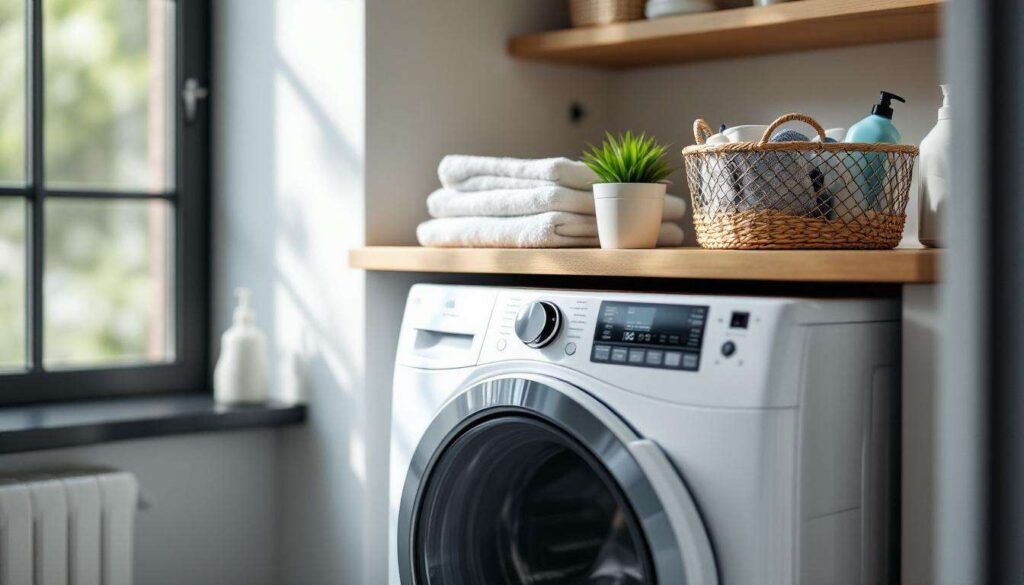
Laundry rooms often present a challenge when it comes to storage space. The flat surface on top of a dryer seems like the perfect spot to place detergent bottles, fabric softener, or even folded laundry. However, this convenient practice may not be as harmless as it appears. Understanding the potential risks and safety considerations can help homeowners make informed decisions about how they use this space. Many people overlook the fact that dryers are complex appliances with specific operational requirements, and placing items on top can interfere with their function or create hazardous conditions.
Why storing on top of the dryer is tempting
The appeal of using the dryer’s top surface for storage is undeniable. Limited square footage in laundry areas forces homeowners to maximize every available inch of space. The dryer provides a waist-high, flat platform that seems ideally suited for keeping laundry supplies within easy reach.
Convenience factor in small spaces
For those living in apartments or homes with compact laundry closets, vertical space becomes precious real estate. The dryer top offers immediate accessibility without requiring additional shelving installation. This placement keeps frequently used items at arm’s length during the washing process, streamlining the laundry routine. Many homeowners naturally gravitate toward this solution because it requires no extra investment in organizational systems.
Common items people store
Typical objects found atop dryers include:
- Laundry detergent bottles and pods
- Fabric softener and dryer sheets
- Stain removers and bleach
- Folded clean clothes waiting to be put away
- Laundry baskets and hampers
- Lint rollers and static spray
While these storage choices seem logical, they may create unforeseen complications that affect both the appliance’s performance and household safety. Understanding the mechanical realities of dryer operation reveals why this practice deserves closer examination.
Risks related to weight on the dryer
Dryers are not designed to function as load-bearing surfaces. The top panel serves primarily as a protective cover for internal components rather than as a structural element meant to support additional weight.
Structural limitations of dryer tops
Most dryer tops are constructed from thin sheet metal or plastic materials. These panels can warp or dent under excessive pressure, potentially causing misalignment of internal parts. The control panel area is particularly vulnerable, as it houses delicate electronic components that can malfunction if the surface above them becomes distorted. Manufacturers typically do not specify weight limits for the top surface because they did not intend for it to bear loads beyond its own structure.
Vibration complications
During operation, dryers generate significant vibration, especially during high-speed spin cycles. Items placed on top can:
- Shift position and potentially fall
- Create additional noise and rattling
- Amplify vibrations that stress mechanical components
- Walk toward the edge and crash to the floor
Heavy bottles or containers that fall can cause injury or property damage. The constant movement also increases wear on the appliance itself, potentially shortening its operational lifespan. These mechanical stresses introduce another dimension of concern that extends beyond simple weight considerations.
Potential dangers of overheating
Dryers generate substantial heat during normal operation. The top surface can reach temperatures between 120 and 150 degrees Fahrenheit, creating conditions that pose multiple risks when items are stored above.
Fire hazards from flammable materials
Certain laundry products contain flammable ingredients that become dangerous when exposed to elevated temperatures. Aerosol cans of starch or static spray can build up internal pressure when heated, potentially leading to rupture or explosion. Plastic detergent containers may soften, leak, or release fumes. Fabric items like towels or clothing left on top can ignite if they come into contact with extremely hot surfaces or block ventilation pathways.
Ventilation obstruction concerns
Many dryer models feature ventilation openings on the top or rear panels. Blocking these vents with stored items prevents proper air circulation, causing:
| Obstruction Effect | Consequence |
|---|---|
| Reduced airflow | Longer drying times and increased energy consumption |
| Heat buildup | Overheating of internal components |
| Moisture retention | Mold growth and musty odors |
| Excessive temperature | Premature appliance failure or fire risk |
These ventilation issues not only compromise safety but also reduce efficiency and increase operating costs. Recognizing these thermal dangers helps inform better practices for appliance use and surrounding storage decisions.
Safety tips for usage
If storage on the dryer cannot be completely avoided, implementing specific precautions can minimize risks while maintaining functionality and safety standards.
Weight and item restrictions
When absolutely necessary to use the dryer top, limit items to lightweight objects that do not obstruct vents. Avoid placing anything heavier than five pounds on the surface. Never store flammable materials, aerosol products, or items containing volatile chemicals. Keep the surface clear during dryer operation, removing all objects before starting a cycle.
Maintaining proper clearance
Essential clearance guidelines include:
- Leave at least three inches of space around all ventilation openings
- Ensure the control panel remains completely accessible
- Keep the lint filter area free from obstruction
- Allow air to circulate freely around the entire appliance
- Position items away from edges to prevent falls
Regular inspection of the dryer top and surrounding area helps identify potential problems before they escalate into serious issues. These practical measures provide a framework for safer appliance operation while acknowledging space limitations that many households face.
Practical storage alternatives
Numerous options exist for organizing laundry supplies without compromising dryer safety. Creative solutions can maximize space efficiency while keeping items accessible and secure.
Wall-mounted shelving systems
Installing shelves above or beside the dryer provides dedicated storage that does not interfere with appliance operation. Floating shelves, cabinet units, or wire rack systems can hold supplies at convenient heights. This approach separates storage from the heat-generating appliance, eliminating fire risks and ventilation concerns. Adjustable shelving accommodates containers of various sizes and can be customized to fit specific laundry room dimensions.
Rolling carts and organizers
Mobile storage solutions offer flexibility in tight spaces:
- Slim rolling carts that fit between appliances
- Three-tier utility carts for vertical storage
- Over-the-door organizers for closet laundry areas
- Stackable bins and baskets
- Magnetic containers that attach to washer sides
These alternatives keep supplies organized and accessible while preserving the dryer’s operational integrity and safety features. Professional perspectives provide additional context for making informed choices about laundry room organization.
Expert opinions on the matter
Appliance technicians and safety professionals consistently advise against using dryer tops for storage. Their recommendations stem from years of field experience addressing problems caused by this common practice.
Manufacturer guidelines
Most major appliance manufacturers explicitly state in their user manuals that the dryer top should remain clear during operation. These guidelines reflect engineering specifications and safety testing results. Warranty terms may be voided if damage results from improper use, including storage practices that obstruct ventilation or add excessive weight. Consumer safety organizations echo these warnings, emphasizing that convenience should never compromise household safety.
Fire safety perspectives
Fire prevention experts highlight that laundry room fires account for thousands of incidents annually. Contributing factors include:
| Risk Factor | Prevention Strategy |
|---|---|
| Lint accumulation | Clean filters after every load |
| Blocked ventilation | Keep dryer top and surroundings clear |
| Flammable storage | Store chemicals away from heat sources |
| Overloaded circuits | Ensure proper electrical capacity |
Professional installers note that proper appliance placement includes adequate clearance on all sides, which inherently discourages using the top surface for storage. These expert insights underscore that seemingly minor conveniences can create substantial hazards when they interfere with appliance design specifications.
The practice of storing items on top of dryers presents multiple safety and operational concerns that outweigh the convenience factor. Weight restrictions, heat generation, ventilation requirements, and vibration issues all contribute to making this common practice potentially hazardous. While the temptation to use available flat surfaces is understandable in space-limited laundry areas, alternative storage solutions provide safer options that do not compromise appliance function or household safety. Expert recommendations consistently emphasize keeping dryer tops clear, particularly during operation, to prevent fire risks, mechanical damage, and reduced efficiency. Implementing proper storage alternatives and following manufacturer guidelines ensures both appliance longevity and family safety.