



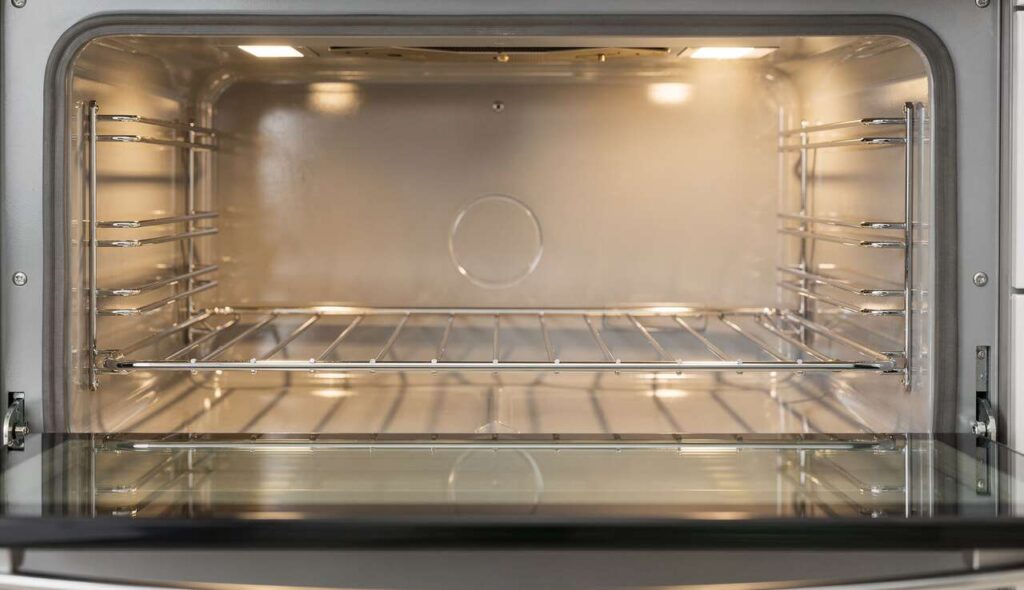
Cleaning an oven often feels like an overwhelming chore that requires harsh chemicals and hours of scrubbing. Many homeowners reach for lemon or baking soda, believing these are the ultimate natural solutions. However, two lesser-known ingredients can transform your grimy oven into a sparkling appliance with minimal effort. These powerful yet gentle alternatives cut through baked-on grease and stubborn stains without the acidity of lemon or the abrasive texture of baking soda. Discovering this cleaning method will revolutionize your approach to kitchen maintenance and save you both time and energy.
Magical ingredients for effective cleaning
The power of dish soap and hydrogen peroxide
The two magic ingredients that outperform traditional cleaning methods are dish soap and hydrogen peroxide. This dynamic duo creates a powerful cleaning solution that dissolves grease and lifts grime without requiring intense scrubbing. Dish soap contains surfactants that break down oil molecules, while hydrogen peroxide acts as a mild oxidizing agent that loosens burnt-on food particles.
The combination works synergistically to penetrate layers of baked-on residue. Unlike lemon juice, which can be sticky and attract dust, or baking soda, which requires extensive rinsing, this mixture rinses clean and leaves no residue. The hydrogen peroxide concentration typically found in household bottles (3%) is safe for oven surfaces while being strong enough to tackle tough stains.
How these ingredients work together
When mixed in the correct proportions, dish soap and hydrogen peroxide create a foaming action that clings to vertical surfaces inside your oven. This adherence is crucial because it allows the solution to work on all oven walls, not just the bottom. The chemical interaction between these ingredients produces oxygen bubbles that help lift debris away from the surface.
- Dish soap breaks down fatty acids in grease
- Hydrogen peroxide oxidizes organic matter
- The foam creates prolonged contact time
- Oxygen bubbles physically lift particles
Understanding how these ingredients interact helps explain why this method requires so little physical effort compared to traditional scrubbing techniques. The chemistry does the hard work while you wait.
The benefits of the natural method
Safety advantages for your family
Commercial oven cleaners often contain caustic chemicals that emit harsh fumes and require extensive ventilation. The dish soap and hydrogen peroxide method eliminates these concerns entirely. Both ingredients are commonly found in households and pose minimal health risks when used properly. There is no need to evacuate your kitchen or worry about chemical residue contaminating your next meal.
Families with children or pets particularly benefit from this non-toxic approach. Accidental exposure to the cleaning mixture causes no serious harm, unlike commercial products that can cause burns or respiratory irritation. This peace of mind makes the cleaning process less stressful and more accessible to everyone in the household.
Environmental and economic considerations
Choosing this natural cleaning method reduces your environmental footprint significantly. Hydrogen peroxide breaks down into water and oxygen, leaving no harmful residues in waterways. Dish soap formulations have become increasingly biodegradable, making this combination an eco-friendly choice.
| Aspect | Commercial Cleaners | Dish Soap & Hydrogen Peroxide |
|---|---|---|
| Cost per use | $2-$5 | $0.50-$1 |
| Toxicity level | High | Low |
| Environmental impact | Significant | Minimal |
| Ventilation required | Extensive | None |
The cost savings become apparent when you realize these ingredients likely already exist in your home. There is no need to purchase specialized products, and the effectiveness matches or exceeds expensive alternatives. These practical benefits make the method appealing beyond just its cleaning power.
Preparation and application: key steps
Creating the perfect cleaning mixture
The ideal ratio combines one-quarter cup of dish soap with one-half cup of hydrogen peroxide. Mix these ingredients in a bowl or spray bottle, stirring gently to avoid creating excessive bubbles before application. The consistency should be slightly thicker than water but thin enough to spread easily across surfaces.
For heavily soiled ovens, you can adjust the proportions slightly by adding more dish soap to increase the mixture’s viscosity. This helps the solution cling to vertical surfaces longer. However, avoid making the mixture too thick, as it becomes difficult to spread evenly and may require more rinsing.
Application technique for maximum effectiveness
Begin by removing oven racks and any loose debris from the oven interior. Apply the cleaning mixture generously to all interior surfaces, paying special attention to areas with heavy buildup. Use a sponge or brush to spread the solution evenly, ensuring complete coverage.
- Remove oven racks and loose particles
- Apply mixture to all interior surfaces
- Allow solution to sit for 30-45 minutes
- Wipe away with damp cloth or sponge
- Rinse with clean water
- Dry thoroughly before use
The waiting period is crucial for achieving zero-effort cleaning. During this time, the ingredients penetrate and soften the grime, making removal effortless. Resist the temptation to scrub immediately, as patience yields far better results with this method.
Tips for optimal results
Timing and temperature considerations
For best results, apply the cleaning solution to a cool oven. Working with a warm oven can cause the mixture to evaporate too quickly, reducing its effectiveness. However, if your oven is extremely dirty, you can warm it slightly (to about 150°F) before turning it off and applying the solution. This gentle heat helps activate the cleaning agents without causing rapid evaporation.
The ideal waiting time ranges from 30 to 45 minutes for moderate soiling. Extremely dirty ovens may benefit from an extended application time of up to two hours. Check the progress periodically, and reapply the mixture to any areas that appear to be drying out before the grime has fully loosened.
Dealing with stubborn spots
Occasionally, you may encounter particularly stubborn burnt-on spots that resist even this powerful combination. For these areas, create a paste by mixing dish soap with a small amount of hydrogen peroxide and a tablespoon of salt. The salt adds gentle abrasive action without scratching oven surfaces.
Apply this paste directly to problem areas and let it sit for an additional 15-20 minutes. The extended contact time and mild abrasion will break down even the most resistant residue. This targeted approach saves you from having to scrub the entire oven while still achieving a completely clean result.
Why choose these ingredients over lemon and baking soda
Comparing cleaning effectiveness
While lemon and baking soda have earned reputations as natural cleaners, they present several limitations when tackling oven grime. Lemon’s acidity can be effective on light stains but struggles with heavy grease deposits. Additionally, the sticky residue from lemon juice can attract dust and require multiple rinses to remove completely.
Baking soda creates a paste that requires significant scrubbing effort, defeating the purpose of a low-effort cleaning method. The abrasive particles can also scratch certain oven finishes over time. Furthermore, baking soda leaves a white film that demands thorough rinsing, often requiring multiple passes to eliminate completely.
Practical advantages in real-world use
The dish soap and hydrogen peroxide combination offers superior practical benefits that become apparent during actual use. The liquid consistency spreads more easily than baking soda paste, ensuring even coverage with less effort. Unlike lemon juice, which can corrode certain metal components with repeated use, this mixture is gentle on all oven materials.
- No scrubbing required for most stains
- Complete rinsing in one pass
- No residue or film left behind
- Safe for all oven surface types
- No risk of corrosion over time
These practical considerations make the method more sustainable for regular maintenance. You are more likely to clean your oven frequently when the process is genuinely effortless, leading to better long-term appliance care and performance.
Oven maintenance: practical tips
Establishing a cleaning routine
Regular maintenance prevents the accumulation of heavy grime that makes deep cleaning necessary. Aim to perform a light cleaning with the dish soap and hydrogen peroxide mixture every two to three weeks, depending on oven usage. This frequency keeps buildup manageable and ensures each cleaning session remains quick and easy.
After each cooking session that produces spills or splatters, wipe down the oven interior once it has cooled. This immediate attention prevents food particles from baking onto surfaces during subsequent uses. A simple wipe with a damp cloth takes seconds but saves hours of deep cleaning later.
Preventive measures to reduce buildup
Several strategies can minimize oven soiling and extend the time between deep cleaning sessions. Using oven liners or placing a baking sheet on the rack below dishes that might drip protects the oven bottom. These barriers catch spills before they bake onto surfaces, making cleanup as simple as removing and washing the liner.
Covering dishes with foil or lids when appropriate reduces splatter during cooking. For particularly messy dishes, consider using covered cookware or roasting bags that contain all moisture and grease. These preventive measures work in conjunction with your cleaning routine to keep your oven in pristine condition with minimal effort.
Adopting this comprehensive approach to oven care transforms a dreaded chore into a simple maintenance task. The combination of effective cleaning ingredients and smart prevention strategies ensures your oven remains clean and functional with minimal time investment. This method proves that natural cleaning solutions can outperform commercial products while being safer, more economical, and environmentally responsible. By implementing these techniques, you gain a reliably clean oven without the hassle, harsh chemicals, or excessive effort typically associated with this household task.