



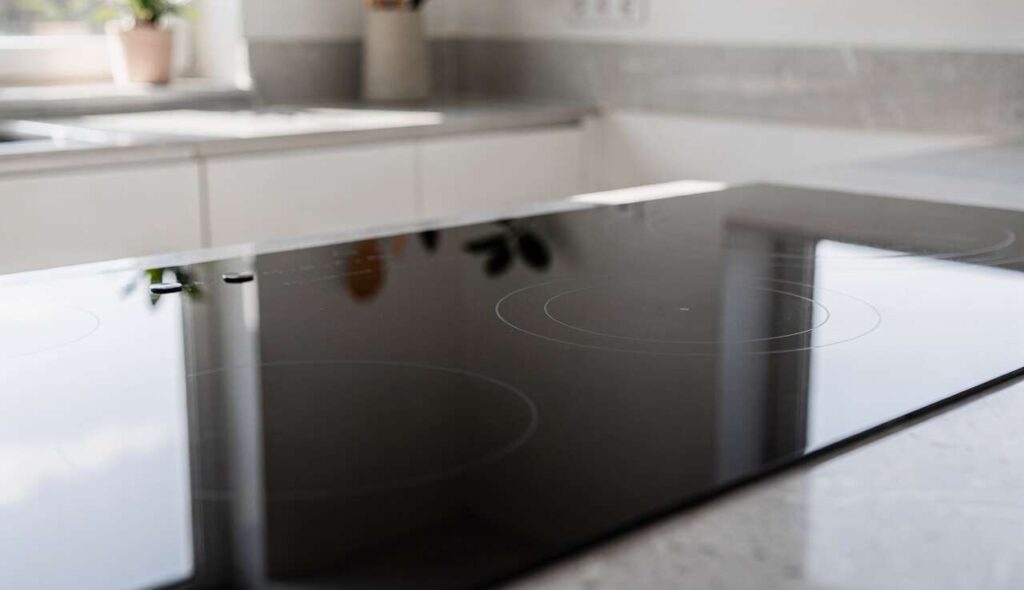
Glass-ceramic cooktops have become a staple in modern kitchens, offering sleek aesthetics and efficient cooking performance. However, their polished surfaces are susceptible to scratches from cookware, utensils, and even cleaning tools. These imperfections not only detract from the appliance’s appearance but can also harbor bacteria and make cleaning more difficult. While some scratches may seem permanent, a systematic approach can often restore the surface to near-original condition. This four-step method addresses the most common types of surface damage, providing homeowners with a practical solution that doesn’t require expensive professional intervention.
Understanding the types of scratches on a glass-ceramic cooktop
Not all scratches are created equal, and identifying the severity of the damage is crucial for determining the appropriate repair strategy. Glass-ceramic cooktops typically suffer from three distinct categories of surface imperfections.
Surface-level scratches and scuffs
These are the most common and easiest to address. Surface-level scratches appear as light marks that don’t catch your fingernail when you run it across the affected area. They’re often caused by sliding pots and pans across the cooktop or using abrasive cleaning materials. These scratches usually involve only the topmost layer of the glass-ceramic surface and respond well to polishing techniques.
Medium-depth scratches
Medium-depth scratches are more noticeable and can be felt with a fingernail. These typically result from harder materials like cast iron cookware or accidental contact with metal utensils. While more challenging to remove completely, they can often be significantly reduced through the proper application of specialized compounds and consistent effort.
Deep gouges and chips
Deep scratches that penetrate multiple layers of the glass-ceramic material represent the most severe damage. These may compromise the structural integrity of the cooktop and could potentially affect its heating efficiency. In many cases, deep gouges require professional assessment or even replacement of the entire cooking surface.
Recognizing which category your scratches fall into will help you set realistic expectations and determine whether the four-step method will be effective for your specific situation.
The essential tools for cleaning
Gathering the right supplies before beginning the restoration process ensures efficient work and optimal results. Using inappropriate materials can worsen existing damage or create new scratches.
Specialized cleaning compounds
The foundation of effective scratch removal involves using products specifically formulated for glass-ceramic surfaces. These typically include:
- Glass-ceramic cooktop cleaner with mild abrasives
- Cerium oxide polish for deeper scratch treatment
- Baking soda as an alternative gentle abrasive
- White vinegar for preliminary cleaning
Application tools and protective equipment
The method by which you apply cleaning compounds is just as important as the products themselves. Essential tools include:
- Microfiber cloths that won’t create additional scratches
- Soft sponges designated exclusively for cooktop use
- Razor blade scraper with a protective holder
- Rubber gloves to protect your hands
- Clean, dry towels for buffing
| Tool Type | Primary Function | Avoid Using |
|---|---|---|
| Microfiber cloths | Polishing and buffing | Paper towels (too abrasive) |
| Soft sponges | Applying cleaners | Steel wool or scouring pads |
| Razor scraper | Removing stuck-on debris | Metal scrapers without guards |
Having these materials assembled and within reach will streamline the restoration process and prevent interruptions that could compromise your results.
Preparatory steps before the cleaning method
Proper preparation creates the foundation for successful scratch removal. Rushing into the process without adequate surface preparation can reduce effectiveness and potentially cause additional damage.
Cooling and initial cleaning
Always ensure the cooktop is completely cool before beginning any cleaning or restoration work. Working on a warm surface can cause cleaning compounds to dry too quickly and may result in streaking or uneven application. Once cooled, perform a thorough initial cleaning to remove all grease, food residue, and loose debris. Use a mixture of white vinegar and water applied with a soft cloth to cut through any accumulated grime.
Removing stubborn deposits
Before addressing scratches, eliminate any burnt-on food or mineral deposits that might interfere with the restoration process. Hold a razor blade scraper at a 45-degree angle and gently push away from your body to remove stubborn spots. This step is critical because attempting to polish over debris can grind particles into existing scratches, making them worse.
Surface inspection and damage mapping
With the surface completely clean and dry, inspect the cooktop under good lighting to identify all scratched areas. Mark mental or physical notes of the most severely affected zones so you can give them extra attention during the treatment process. This inspection also helps you determine whether the damage falls within the repairable range or requires professional intervention.
With the surface properly prepared and all materials at hand, you’re now ready to implement the systematic approach that can dramatically improve your cooktop’s appearance.
The four-step method to remove scratches
This proven sequence addresses scratches progressively, starting with the gentlest approach and advancing to more intensive treatments as needed.
Step one: gentle cleaning with specialized cooktop cleaner
Apply a small amount of glass-ceramic cooktop cleaner directly to the scratched area. Using a damp microfiber cloth, work the cleaner into the scratch using small circular motions. Apply moderate pressure and continue for approximately two to three minutes per scratch. This initial step often removes surface-level scratches and scuffs entirely. Wipe away the cleaner with a clean, damp cloth and inspect the results. For many light scratches, this step alone provides satisfactory improvement.
Step two: baking soda paste application
For scratches that remain visible after step one, create a paste by mixing two parts baking soda with one part water. Apply this paste directly to the affected areas and use a soft, damp cloth to buff the scratch in circular motions for three to five minutes. The mild abrasive properties of baking soda help smooth the edges of scratches without creating additional damage. Rinse thoroughly with clean water and dry with a microfiber cloth. This step typically addresses scratches that are slightly deeper than surface-level marks.
Step three: cerium oxide polishing
For persistent scratches that haven’t responded to the first two steps, cerium oxide provides a more aggressive polishing action. Mix cerium oxide powder with water according to the manufacturer’s instructions to create a slurry. Apply this mixture to the scratch and use a buffing pad or soft cloth to work it into the affected area. Use firm, consistent pressure and continue buffing for five to ten minutes, periodically adding water to keep the compound from drying. This step requires patience but can significantly reduce the appearance of medium-depth scratches. Clean the area thoroughly and assess the improvement.
Step four: final polishing and sealing
After completing the scratch-specific treatments, perform a final polish of the entire cooktop surface. Apply your glass-ceramic cleaner across the whole surface and buff to a high shine using clean microfiber cloths. This step ensures uniform appearance and removes any residual compounds from the previous steps. Some manufacturers recommend applying a protective coating specifically designed for glass-ceramic surfaces, which can help prevent future scratches and make daily cleaning easier.
| Step | Treatment Type | Time Required | Scratch Severity Addressed |
|---|---|---|---|
| 1 | Specialized cleaner | 2-3 minutes per scratch | Light surface scratches |
| 2 | Baking soda paste | 3-5 minutes per scratch | Shallow to medium scratches |
| 3 | Cerium oxide polish | 5-10 minutes per scratch | Medium-depth scratches |
| 4 | Final polish | 5 minutes entire surface | Overall appearance restoration |
Once you’ve successfully restored your cooktop’s appearance, implementing preventive measures will help maintain that pristine condition.
Tips for daily maintenance and scratch prevention
Preventing scratches is far easier than removing them, and establishing consistent maintenance habits will extend the life and appearance of your glass-ceramic cooktop.
Proper cookware selection and handling
The type of cookware you use has a direct impact on scratch formation. Choose pots and pans with smooth, flat bottoms that make full contact with the cooking surface. Avoid cookware with rough bottoms, and inspect older pieces for warping or damage that could scratch the cooktop. Always lift cookware rather than sliding it across the surface, even when making minor adjustments during cooking.
Immediate spill management
Address spills promptly to prevent them from burning onto the surface and requiring aggressive removal techniques. Keep a designated cooktop cleaner and soft cloth near the stove for quick cleanups. For sugar-based spills, which can cause particularly stubborn damage, immediate removal is critical as these substances can bond permanently to the glass-ceramic surface at high temperatures.
Establishing a cleaning routine
Implement a simple daily cleaning routine that includes:
- Wiping down the cooktop after each use once it has cooled
- Using only approved cleaning products and soft cloths
- Performing a thorough deep clean weekly with specialized cooktop cleaner
- Inspecting the surface regularly for early signs of scratching
- Applying protective coating monthly if recommended by the manufacturer
Despite your best preventive efforts, some scratches may prove too stubborn or severe for home treatment methods.
When to call a professional for stubborn scratches
Recognizing the limitations of DIY scratch removal is important for both safety and economic reasons.
Signs that professional help is needed
Certain types of damage require expert assessment and specialized equipment. Consider professional intervention when:
- Scratches remain highly visible after completing all four steps
- The scratch depth exceeds the surface layer and affects heating performance
- Cracks or chips appear near scratched areas
- The scratched area shows discoloration that doesn’t respond to cleaning
- Multiple deep scratches cover large portions of the cooking surface
Professional restoration options
Appliance repair specialists have access to industrial-grade polishing equipment and compounds that aren’t available to consumers. They can often achieve results that surpass home methods, particularly for medium to deep scratches. Professional restoration typically costs between $150 and $300, which may be worthwhile compared to full cooktop replacement costs that can exceed $500 to $1,000.
Replacement considerations
In some cases, particularly when structural damage compromises the cooktop’s safety or functionality, replacement becomes the most practical option. Consult with a qualified technician who can assess whether scratches have affected the heating elements or created safety hazards. Deep scratches that penetrate to the heating elements pose electrical risks and should never be ignored.
Glass-ceramic cooktops represent a significant investment in kitchen functionality and aesthetics, making scratch prevention and proper maintenance essential. The four-step method outlined here provides an effective approach for addressing most common scratches through progressive treatment stages. Starting with gentle specialized cleaners and advancing through baking soda paste and cerium oxide polishing, this systematic process can restore your cooktop’s appearance without professional intervention in many cases. Regular maintenance, proper cookware selection, and immediate spill management form the foundation of long-term scratch prevention. However, recognizing when damage exceeds the scope of home treatment ensures both safety and optimal performance. By implementing these strategies, homeowners can maintain their glass-ceramic cooktops in excellent condition for years to come.