



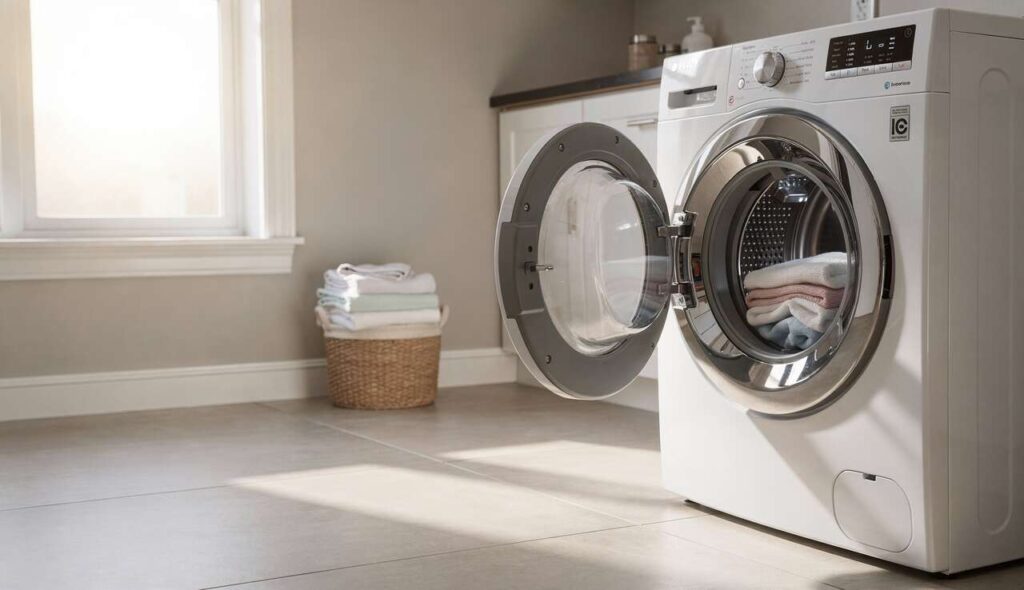
The debate over whether to leave your washing machine door open after completing a cycle has sparked considerable discussion among homeowners and appliance experts alike. This seemingly simple habit can have significant implications for your machine’s longevity, hygiene, and overall performance. Modern front-loading washers, in particular, feature airtight rubber seals designed to prevent water leakage during operation, but these same seals can trap moisture when the door remains closed. Understanding the science behind drum ventilation and moisture management can help you make an informed decision about this common household practice.
Why leave the door open after each wash ?
The moisture retention problem
Washing machines create an extremely humid environment during operation, with residual water remaining in various components even after the spin cycle completes. When you close the door immediately after washing, this moisture becomes trapped inside the drum and around the rubber gasket. The lack of air circulation prevents proper evaporation, creating conditions that favor bacterial growth and unpleasant odors. Front-loading machines are particularly susceptible because their horizontal drum design allows water to pool in the bottom and around the door seal.
Temperature and humidity factors
The warm, damp conditions inside a closed washing machine create an ideal breeding ground for microorganisms. Consider these environmental factors:
- Interior temperatures can remain elevated for hours after a hot wash cycle
- Humidity levels inside a closed drum can exceed 90 percent
- Detergent residue provides nutrients for bacterial colonies
- Lint and fabric fibers trap additional moisture against surfaces
These combined factors explain why leaving the door open has become a widely recommended practice among appliance manufacturers and cleaning professionals.
The benefits of drum ventilation
Accelerated drying process
Allowing air to circulate through your washing machine drum dramatically reduces drying time for all interior surfaces. When you prop the door open, ambient air flows through the machine, carrying moisture away through natural evaporation. This process typically requires between four and six hours for complete drying, depending on your home’s humidity levels and ventilation. The rubber gasket, which retains the most water, benefits especially from this exposure to moving air.
Extended appliance lifespan
Proper ventilation practices contribute directly to your washing machine’s longevity. Manufacturers design these appliances to withstand moisture during operation, but constant exposure to trapped humidity accelerates wear on critical components:
| Component | Impact of Poor Ventilation | Benefit of Proper Drying |
|---|---|---|
| Rubber door seal | Cracking and deterioration within 3-5 years | Extended lifespan up to 10 years |
| Drum interior | Rust spots and corrosion | Maintains protective coating integrity |
| Detergent dispenser | Mold buildup and clogging | Clean, functional operation |
Beyond protecting individual components, adequate ventilation reduces the likelihood of expensive repairs and premature appliance replacement, making this simple habit a cost-effective maintenance strategy.
Preventing bad odors and mold
Understanding washer smell syndrome
The notorious musty washing machine odor results from bacterial and fungal growth in persistently damp areas. This phenomenon, sometimes called “washer smell syndrome,” affects millions of households. The smell originates primarily from biofilm formation, where microorganisms create protective layers on surfaces within the machine. These colonies produce volatile organic compounds that create the characteristic sour or mildew-like odor that can transfer to freshly washed clothes.
Common mold growth locations
Mold and mildew establish themselves in specific areas within your washing machine where moisture accumulates most readily:
- The rubber door gasket folds and crevices
- Detergent and fabric softener dispensers
- The drum’s rear drainage area
- Filter compartments and drain pump housings
- Behind the drum where water can splash during agitation
Prevention through air circulation
Leaving the door open creates an inhospitable environment for mold and bacteria by eliminating the moisture they require for survival. Regular air exposure keeps surfaces dry enough to prevent spore germination and bacterial colonization. This preventive approach proves far more effective than attempting to remediate established mold problems, which often require aggressive cleaning with specialized products or professional intervention.
The risks of keeping the door closed
Health implications
A consistently closed washing machine door creates potential health concerns beyond unpleasant odors. Mold spores and bacteria that develop in damp washing machines can become airborne when you open the door or transfer to clothing during subsequent wash cycles. Individuals with respiratory sensitivities, allergies, or compromised immune systems face particular risks from exposure to these microorganisms. Some mold species produce mycotoxins that can cause allergic reactions, respiratory irritation, and other health effects with prolonged exposure.
Impact on cleaning performance
Ironically, a washing machine harboring mold and bacterial growth becomes less effective at cleaning your clothes. The biofilm and microorganisms can transfer to fabrics during the wash cycle, potentially leaving clothes with a musty smell even after washing. This contamination creates a frustrating cycle where clean clothes emerge from the machine smelling worse than when they entered, necessitating rewashing and wasting water, energy, and detergent.
Structural damage concerns
Prolonged moisture retention accelerates deterioration of your washing machine’s materials and components. The rubber door seal, typically the first casualty of poor ventilation practices, may develop visible mold stains, lose elasticity, and eventually crack or tear. Metal components within the drum can develop rust spots that permanently stain clothing. These issues often require costly repairs or component replacements that could have been avoided through proper ventilation habits.
How to properly maintain your washing machine
Daily ventilation practices
Implementing an effective door-opening routine requires minimal effort but delivers substantial benefits. After completing each wash cycle, open the door fully and leave it ajar for at least four to six hours, or until the interior feels completely dry to the touch. If your laundry room experiences high humidity, consider extending this time or using a dehumidifier to accelerate drying. Pull back the rubber gasket gently to expose hidden folds where water collects, allowing these areas to dry thoroughly.
Regular cleaning schedule
Supplement ventilation practices with periodic deep cleaning to maintain optimal machine hygiene:
- Run a hot water cleaning cycle monthly using washing machine cleaner or white vinegar
- Wipe down the rubber gasket weekly with a mild bleach solution or specialized cleaner
- Remove and clean the detergent dispenser drawer every two weeks
- Check and clean the drain filter quarterly to prevent clogs
- Inspect behind the drum annually for accumulated debris or standing water
Additional protective measures
Beyond leaving the door open, several complementary practices enhance washing machine maintenance. Use high-efficiency detergent in appropriate quantities, as excess suds leave more residue that feeds bacterial growth. Occasionally run empty hot water cycles to flush the system. Consider installing improved ventilation in your laundry room if humidity remains problematic. Remove wet clothes promptly after cycles complete to prevent moisture accumulation and mildew growth on fabrics inside the drum.
What do experts say on this topic ?
Manufacturer recommendations
Major appliance manufacturers universally recommend leaving washing machine doors open between uses. Companies like Whirlpool, LG, Samsung, and Bosch include this guidance in their user manuals and maintenance instructions. These recommendations stem from extensive testing and field data showing significantly reduced service calls and warranty claims among users who practice proper ventilation. Manufacturers note that failure to follow these guidelines may void warranty coverage for mold-related issues or premature component failure.
Professional appliance technician insights
Appliance repair professionals consistently identify closed-door habits as a primary contributor to washing machine problems. Technicians report that the majority of service calls for odor issues, gasket replacement, and mold remediation involve machines whose owners habitually close the door immediately after use. These professionals emphasize that preventive ventilation costs nothing but saves hundreds of dollars in potential repairs and extends appliance lifespan by several years.
Consumer research findings
Independent consumer research organizations have investigated washing machine maintenance practices and their outcomes. Studies demonstrate measurable differences in machine longevity, odor complaints, and repair frequency between households that practice door ventilation and those that do not. The evidence overwhelmingly supports leaving doors open as a best practice for maintaining washing machine hygiene and performance over time.
The practice of leaving your washing machine door open after each wash represents a simple yet highly effective maintenance strategy supported by manufacturers, technicians, and research alike. This habit prevents moisture retention, inhibits mold and bacterial growth, eliminates unpleasant odors, and extends your appliance’s functional lifespan. While it may seem counterintuitive to leave an appliance open when not in use, the benefits far outweigh any aesthetic concerns. Combined with regular cleaning and proper detergent use, door ventilation forms the foundation of effective washing machine care that protects your investment and ensures consistently fresh, clean laundry for years to come.