



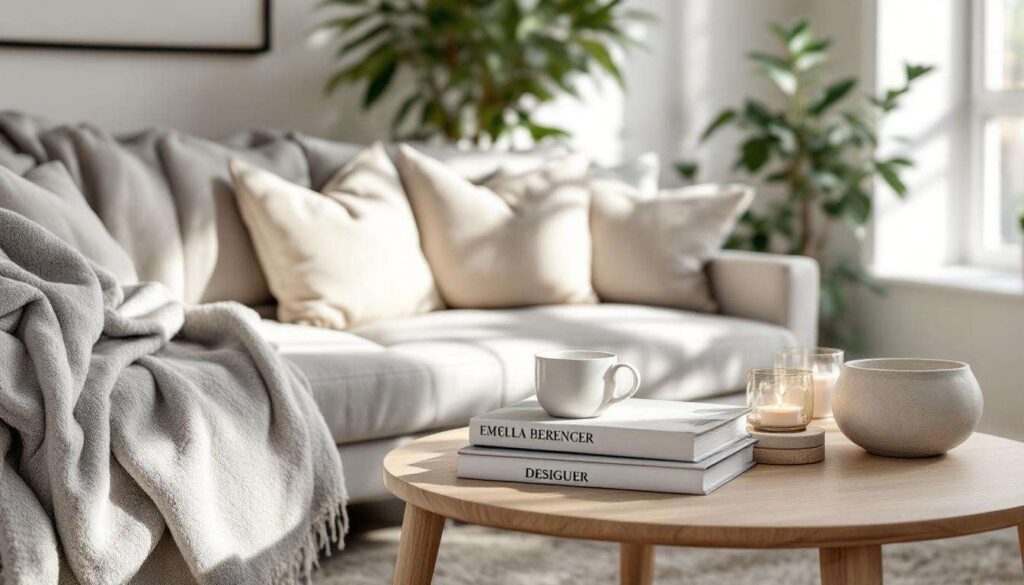
The holiday season leaves homes filled with joy, memories, and an abundance of decorative items that served their purpose beautifully. As the celebrations wind down, interior designers know that creating a fresh, renewed atmosphere requires strategic editing and thoughtful organization. The process of transitioning from festive abundance to clean simplicity involves more than simply boxing up ornaments. Professional designers follow a systematic approach to restore balance and breathing room to living spaces, prioritizing specific categories that make the most immediate visual impact. Understanding which items to address first can transform an overwhelming post-holiday cleanup into a manageable refresh that sets the tone for the months ahead.
Storing festive decorations
The most obvious yet crucial step in post-holiday home refresh involves systematically removing all seasonal decorations. Designers emphasize that this process should happen methodically rather than all at once, allowing homeowners to appreciate the gradual return to everyday aesthetics.
Prioritizing removal by visual impact
Interior designers recommend starting with the largest and most prominent decorative elements first. Christmas trees, whether real or artificial, command significant visual and physical space in rooms. Removing these focal points immediately opens up square footage and changes the room’s energy. Following the tree removal, designers tackle:
- Wreaths and door decorations that frame entrances
- Mantel displays and garlands that dominate horizontal surfaces
- Window decorations visible from both inside and outside
- Large centerpieces occupying dining and coffee tables
Implementing proper storage solutions
Professional designers invest in quality storage systems that protect decorations and simplify future setup. Clear plastic bins with labels allow for quick identification, while specialized ornament storage boxes prevent breakage. Wrapping delicate items in tissue paper or bubble wrap ensures longevity, and maintaining an inventory list helps track pieces year after year.
| Decoration Type | Recommended Storage | Average Lifespan |
|---|---|---|
| Glass ornaments | Divided storage boxes | 10-15 years |
| String lights | Cord reels or cardboard wraps | 3-5 years |
| Fabric decorations | Breathable containers | 8-12 years |
| Artificial greenery | Original boxes or large bins | 5-10 years |
Once the visual reminders of the holiday season find their designated storage spots, designers turn their attention to the tactile elements that defined winter comfort.
Stashing away winter textiles
Heavy, cozy textiles that provided warmth and holiday ambiance become the second priority for designers seeking to lighten the visual weight of interior spaces. These seasonal fabrics significantly impact how fresh and current a room feels.
Rotating throw blankets and pillows
Designers recognize that excessive layering of textiles creates visual clutter and dated seasonal aesthetics. The plush velvet pillows, faux fur throws, and heavy knit blankets that felt perfect during holiday gatherings now make rooms appear overly dressed. Professionals recommend:
- Reducing throw pillow quantities by at least one-third
- Swapping heavy materials for lighter cotton or linen options
- Storing holiday-specific patterns like plaids and winter motifs
- Introducing neutral tones that bridge winter into spring
Addressing window treatments and table linens
Window dressings and dining textiles deserve equal attention in the post-holiday refresh. Heavy velvet curtains that blocked winter drafts can be replaced with lighter fabrics that allow more natural light penetration. Holiday table runners, placemats with festive patterns, and special occasion napkins should be laundered and stored properly. Designers often introduce crisp white or soft gray linens that provide a clean slate aesthetic for the coming months.
With textiles addressed, the focus naturally shifts to the horizontal surfaces where everyday life accumulates throughout busy holiday weeks.
Decluttering surfaces
Countertops, tables, and shelving units accumulate layers of items during the holiday rush, and designers know that clear surfaces create immediate visual calm. This step requires honest assessment of what truly deserves display space.
Implementing the one-touch rule
Professional organizers and designers advocate for the one-touch decluttering method when addressing post-holiday surface chaos. This approach means handling each item only once and immediately deciding its fate: keep and relocate, discard, or donate. Kitchen counters often harbor:
- Specialty serving pieces used exclusively for entertaining
- Leftover food containers and packaging
- Gift boxes and wrapping supplies
- Holiday cards and decorative displays
- Small appliances brought out for holiday cooking
Creating intentional vignettes
Rather than leaving surfaces completely bare, designers curate purposeful arrangements that balance function with aesthetics. A console table might display a single sculptural object alongside a practical tray for keys. Coffee tables benefit from a carefully selected stack of books, a small plant, and perhaps one decorative element. The key lies in restraint and breathing room between objects.
| Surface Type | Maximum Items | Designer Recommendation |
|---|---|---|
| Kitchen counters | 3-5 essential items | Keep only daily-use appliances visible |
| Coffee tables | 3-4 objects | Group in odd numbers for visual interest |
| Entryway consoles | 2-3 decorative pieces | Balance function with beauty |
| Bookshelves | 70% filled maximum | Leave negative space for visual rest |
Clear surfaces provide the foundation for the broader spatial reorganization that transforms how rooms function and feel.
Organizing living spaces
Beyond surface-level decluttering, designers address the fundamental arrangement and flow of furniture and functional zones within rooms. Holiday gatherings often necessitate furniture repositioning that no longer serves everyday needs.
Reassessing furniture placement
The dining table extended to accommodate guests, the sofa pushed against the wall to create mingling space, and the chairs borrowed from other rooms all need thoughtful reconsideration. Designers evaluate traffic patterns and daily usage to determine optimal arrangements. Living rooms benefit from conversation-friendly groupings where seating faces each other rather than all directing toward the television. Dining areas can return to their standard configurations, and borrowed furniture should migrate back to original locations.
Establishing functional zones
Post-holiday organization presents an opportunity to refine how spaces serve household needs. Designers often create distinct zones within open-plan areas:
- Reading nooks with proper lighting and comfortable seating
- Work-from-home stations with ergonomic considerations
- Children’s play areas with contained storage solutions
- Relaxation corners featuring plants and calming elements
This spatial reorganization naturally leads to addressing the specialized lighting that created holiday ambiance but now feels excessive.
Sorting seasonal lightings
Lighting dramatically influences mood and atmosphere, and the abundance of decorative lighting appropriate for holidays can feel overwhelming once celebrations end. Designers approach this category with both practical and aesthetic considerations.
Removing purely decorative lighting
String lights wrapped around banisters, illuminated yard decorations, and battery-operated candles scattered throughout rooms served their festive purpose beautifully. Removing these elements immediately modernizes spaces and reduces visual noise. Designers carefully pack string lights using specialized storage reels or wrapping them around cardboard pieces to prevent tangling. Battery-operated items should have batteries removed to prevent corrosion during storage.
Adjusting ambient lighting levels
Beyond decorative elements, designers reconsider the overall lighting scheme for post-holiday living. The warm, dimmed lighting perfect for cozy winter evenings may need adjustment as days gradually lengthen. Professionals recommend:
- Increasing wattage in task lighting areas
- Switching to daylight-temperature bulbs in workspaces
- Removing extra table lamps added for holiday ambiance
- Cleaning light fixtures and lampshades for maximum brightness
With visual elements addressed, designers turn to the often-overlooked sensory dimension that significantly impacts how fresh a home feels.
Refreshing indoor scents
Olfactory experiences powerfully influence perception of cleanliness and freshness, making scent management a critical final step in the post-holiday home refresh. Designers understand that lingering holiday fragrances can make spaces feel dated even when visually updated.
Eliminating holiday-specific fragrances
Cinnamon, pine, peppermint, and other distinctly seasonal scents need replacement with more neutral or fresh alternatives. Designers remove scented candles, potpourri, and reed diffusers featuring holiday fragrances. This includes checking less obvious sources like:
- Drawer sachets with seasonal scents
- Automatic air freshener refills
- Wax melts in warmers
- Scented pinecones and decorative bowls
Introducing clean, transitional scents
Rather than immediately jumping to spring florals, designers select neutral transitional fragrances that feel fresh without being seasonally specific. Eucalyptus, white tea, clean linen, and light citrus notes provide brightness without overwhelming. Natural solutions like opening windows for fresh air circulation, using baking soda to absorb odors, and incorporating live plants that naturally purify air create authentic freshness.
| Scent Category | Designer Favorites | Best Placement |
|---|---|---|
| Citrus notes | Lemon, grapefruit, bergamot | Kitchens and bathrooms |
| Herbal scents | Eucalyptus, mint, sage | Living areas and bedrooms |
| Clean fragrances | White tea, cotton, linen | Entryways and common spaces |
| Woody notes | Sandalwood, cedar (light) | Home offices and libraries |
The transformation from holiday abundance to refreshed simplicity requires strategic focus on these key categories that professional designers prioritize. By systematically addressing festive decorations, seasonal textiles, cluttered surfaces, spatial organization, decorative lighting, and indoor scents, homeowners create environments that feel current and intentional. This methodical approach prevents overwhelm while delivering immediate visual and sensory impact. The result is a home that honors the joy of past celebrations while embracing the clean slate and fresh possibilities that lie ahead, creating spaces that feel both comfortable and renewed for everyday living.