



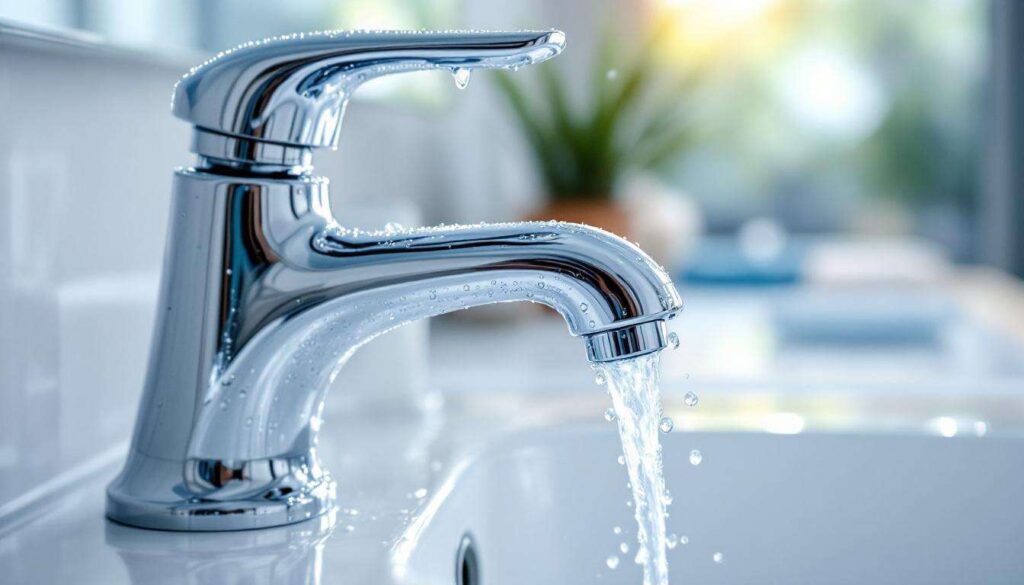
Calcium buildup on faucets represents one of the most persistent challenges homeowners face, particularly in regions where hard water flows through household plumbing systems. These white, crusty deposits not only diminish the aesthetic appeal of bathroom and kitchen fixtures but can also compromise water flow and eventually damage the internal components of faucets. Understanding how to properly address this issue without causing harm to your fixtures requires knowledge of the right techniques, appropriate materials, and preventive measures that can save both time and money in the long run.
Understanding the causes of calcium buildup
The science behind mineral deposits
Hard water contains elevated concentrations of dissolved minerals, primarily calcium and magnesium. When water droplets evaporate on faucet surfaces, these minerals remain behind, forming the characteristic white or yellowish crusty deposits known as limescale. The higher the mineral content in your water supply, the more rapidly these deposits accumulate on fixtures, showerheads, and internal plumbing components.
Geographic and environmental factors
Certain regions experience significantly harder water than others due to geological conditions. Areas with limestone-rich soil or groundwater sources typically have higher mineral concentrations. The Dallas-Fort Worth region, for example, is known for particularly hard water that accelerates calcium buildup. Temperature also plays a role, as heated water tends to deposit minerals more readily than cold water, explaining why bathroom faucets and showerheads often show more severe buildup.
Long-term effects on plumbing fixtures
Beyond cosmetic concerns, calcium deposits can restrict water flow through aerators and reduce the lifespan of faucet cartridges. The buildup creates rough surfaces that encourage further mineral adhesion, creating a cycle that worsens over time. Internal components may become corroded or stuck, leading to leaks or the need for complete faucet replacement if left unaddressed.
Recognizing these underlying causes helps homeowners approach cleaning with appropriate methods rather than resorting to harsh techniques that might damage finishes.
Recommended cleaning frequency
Establishing a maintenance schedule
The frequency of cleaning depends largely on water hardness in your area. For homes with moderately hard water, a thorough cleaning every two to three months typically prevents significant buildup. In areas with extremely hard water, monthly attention may be necessary to maintain optimal faucet condition and appearance.
Signs that immediate cleaning is needed
Several indicators suggest your faucets require immediate attention:
- Visible white or colored crusty deposits around the base or spout
- Reduced water pressure or irregular spray patterns from aerators
- Difficulty turning handles or operating spray mechanisms
- Water spots that resist normal cleaning efforts
Preventive versus corrective cleaning
Regular light cleaning prevents the need for aggressive scrubbing that might scratch chrome or damage specialized finishes. A quick wipe-down with a vinegar-dampened cloth after each use can dramatically reduce buildup between deep cleaning sessions, making maintenance far less labor-intensive.
Understanding when and how often to clean sets the foundation for selecting the right approach and materials.
Precautions before starting the cleaning
Identifying faucet finish types
Different faucet finishes require specific care approaches. Chrome, brushed nickel, oil-rubbed bronze, and stainless steel each react differently to cleaning agents. Some finishes are more susceptible to scratching or discoloration from acidic solutions. Check manufacturer documentation or test cleaning solutions on inconspicuous areas before full application.
Safety considerations
When working with cleaning solutions, proper ventilation is essential, particularly when using vinegar or commercial cleaners. Wear protective gloves to prevent skin irritation, and ensure cleaning agents do not contact eyes. Keep commercial products away from children and pets, and never mix different cleaning chemicals, as this can produce dangerous fumes.
Protecting surrounding surfaces
Place towels or protective coverings around the work area to catch drips and prevent acidic solutions from contacting countertops, tile grout, or natural stone surfaces. Remove any decorative items or toiletries that might be splashed during the cleaning process.
These preparatory steps ensure both personal safety and protection of valuable fixtures during the cleaning process.
Essential materials for effective cleaning
Basic cleaning supplies
A well-stocked cleaning kit should include:
- White distilled vinegar
- Baking soda
- Hydrogen peroxide
- Soft microfiber cloths or non-abrasive sponges
- Old toothbrush for detailed work
- Resealable plastic bags
- Rubber bands or zip ties
- Paper towels
These common household items provide effective cleaning power without the expense or potential risks associated with commercial chemical cleaners.
Optional specialized tools
For stubborn deposits or hard-to-reach areas, consider adding plastic scrapers, dental picks for aerator cleaning, or specialized faucet cleaning brushes. These tools allow precise removal of buildup without scratching delicate finishes.
Commercial alternatives
Products like CLR (Calcium, Lime, Rust remover) offer convenience for severe buildup situations. However, these solutions require careful application according to manufacturer instructions to avoid damaging faucet finishes or causing personal injury from chemical exposure.
Having the right materials on hand makes the cleaning process more efficient and protects your investment in quality fixtures.
Cleaning method using vinegar
The soaking technique
The most effective vinegar-based method involves creating a soaking environment around the affected faucet areas. Fill a resealable plastic bag with a mixture of equal parts white vinegar and water. Position the bag so the faucet spout and aerator are fully submerged in the solution, then secure it tightly with rubber bands around the faucet neck.
Optimal soaking duration
For light to moderate buildup, allow the vinegar solution to work for 30 minutes to one hour. Severe deposits may require extended soaking of two to three hours or even overnight. The acidic nature of vinegar gradually dissolves calcium carbonate without damaging most faucet finishes.
Post-soak cleaning process
After removing the bag, use an old toothbrush to gently scrub remaining deposits, paying particular attention to crevices and decorative details. Rinse thoroughly with warm water and dry with a soft cloth to prevent new water spots from forming. For aerators, unscrew them and soak separately, using a toothpick or dental pick to clear individual screen holes.
This vinegar-based approach provides a safe, economical solution that works effectively for most calcium buildup situations.
Using baking soda and peroxide
Creating an effective paste
For surface deposits or areas where the bag method is impractical, combine baking soda with hydrogen peroxide to form a thick paste. The consistency should resemble toothpaste, providing enough body to adhere to vertical surfaces while maintaining scrubbing power.
Application technique
Apply the paste directly to affected areas using a soft cloth or your fingers. Allow it to sit for 15 to 20 minutes, giving the mild abrasive action of baking soda time to work alongside the oxidizing properties of peroxide. This combination breaks down mineral deposits while brightening dulled finishes.
Gentle scrubbing approach
Using circular motions with a soft cloth or non-abrasive sponge, gently work the paste across the surface. The baking soda provides mild abrasive action without scratching, while the peroxide helps lift stubborn stains. Rinse thoroughly with warm water and buff dry with a clean microfiber cloth for a streak-free shine.
This method works particularly well for faucet bases, handles, and other areas where the vinegar bag technique cannot reach effectively.
Tips to prevent calcium deposits
Daily maintenance habits
Simple daily practices significantly reduce calcium accumulation. After each use, wipe faucets dry with a soft cloth to prevent water droplets from evaporating and leaving mineral deposits. This takes only seconds but dramatically extends the time between deep cleaning sessions.
Water softening solutions
Installing a whole-house water softener addresses the root cause of calcium buildup by removing minerals before water reaches your fixtures. These systems exchange calcium and magnesium ions for sodium, effectively eliminating hard water throughout your home. Modern water softeners come with warranties of up to six years and can transform plumbing maintenance requirements.
Aerator maintenance
Regularly remove and clean faucet aerators every few months, even if visible buildup is not apparent. Soak them in vinegar overnight, then rinse and reinstall. This prevents internal mineral accumulation that restricts water flow and creates uneven spray patterns.
Protective treatments
Some homeowners apply automotive wax or specialized faucet protectants to create a barrier that makes mineral deposits easier to wipe away. While not a complete solution, these treatments can extend the time between cleanings and maintain the lustrous appearance of fixtures.
Addressing calcium buildup requires a combination of proper cleaning techniques and preventive measures. Regular attention using vinegar or baking soda methods preserves both the function and appearance of faucets without risking damage from harsh chemicals or abrasive scrubbing. For households in hard water areas, investing in a water softening system provides the most comprehensive long-term solution, reducing maintenance demands while protecting all plumbing fixtures and appliances. By implementing these strategies, homeowners can maintain beautiful, fully functional faucets for years to come.