



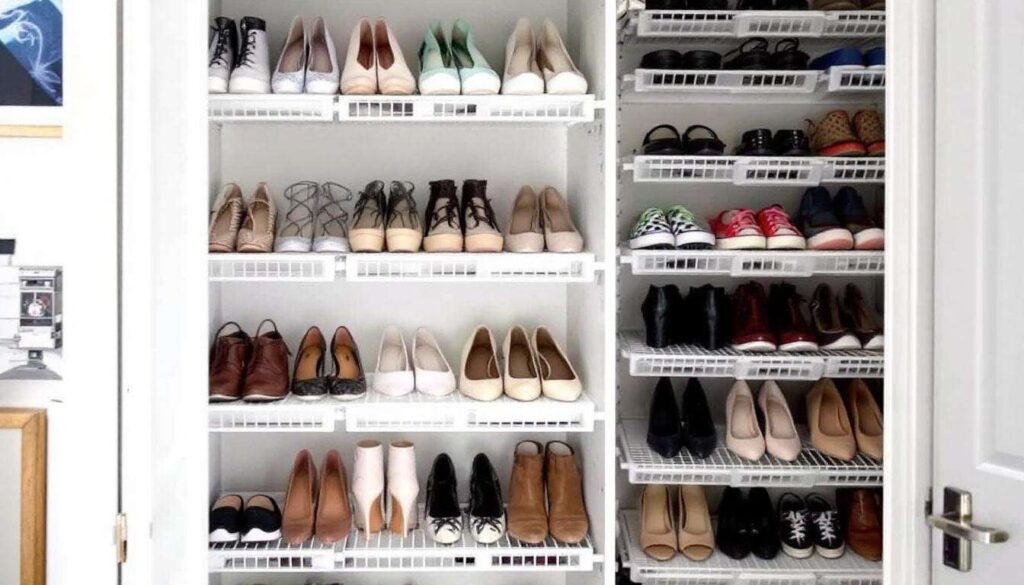
Small closets present unique challenges when it comes to organizing footwear. Limited floor space, cramped shelves, and the constant battle to keep pairs together can turn daily routines into frustrating searches. Yet with the right approach and one particularly clever storage solution, you can transform even the most compact closet into an efficient shoe haven. The key lies in rethinking how vertical space is utilized and adopting tools specifically designed to maximize every available inch.
The importance of maximizing space in a small closet
Understanding spatial constraints
Small closets force homeowners to make difficult choices about what to keep and how to arrange belongings. Vertical space often goes unused while floor areas become cluttered with shoes stacked haphazardly. This inefficient use of available space leads to disorganization, damaged footwear, and wasted time searching for matching pairs each morning.
The cost of poor organization
Beyond mere inconvenience, inadequate shoe storage creates several problems. Shoes piled on top of each other can lose their shape, develop creases, or accumulate dust and damage. The inability to see your entire collection often results in purchasing duplicate items or forgetting about perfectly good pairs buried at the back of the closet. Additionally, cluttered spaces contribute to stress and make getting ready more time-consuming than necessary.
Benefits of strategic storage solutions
Implementing smart storage methods delivers multiple advantages:
- Protection for footwear investment by maintaining shoe shape and condition
- Reduced morning stress through easy visibility and access
- Enhanced closet aesthetics with organized, tidy appearance
- Maximized storage capacity without requiring additional square footage
- Prevention of impulse purchases by maintaining awareness of existing inventory
Recognizing these challenges highlights why finding effective storage solutions becomes essential for anyone dealing with limited closet space.
Introducing the smart item to double storage
The vertical shoe rack revolution
The game-changing solution for small closets is the vertical shoe rack with adjustable shelves. Unlike traditional horizontal shoe storage that consumes valuable floor space, these innovative racks extend upward, capitalizing on often-wasted vertical real estate. These units typically feature multiple tiers of angled or flat shelves that can accommodate anywhere from twelve to thirty pairs of shoes in the same footprint that might otherwise hold just six pairs.
Design features that matter
Modern vertical shoe racks incorporate several intelligent design elements. Adjustable shelf heights accommodate everything from flat sandals to high boots, while angled shelves provide better visibility and easier access than traditional flat storage. Many models include reinforced construction to support substantial weight without sagging or tipping. Some versions offer enclosed designs with doors or clear panels to protect shoes from dust while maintaining visibility.
Space-saving mathematics
The efficiency gains become clear when examining the numbers. A standard shoe box occupies approximately 144 square inches of floor space and stores one pair. A vertical rack measuring just 24 inches wide by 12 inches deep can hold twelve to fifteen pairs while using only 288 square inches of floor space. This represents a storage efficiency improvement of over 600 percent compared to traditional methods.
Understanding the mechanics of vertical storage naturally leads to exploring the specific advantages these racks provide.
Benefits of the shoe rack for small closets
Maximized vertical utilization
The primary advantage lies in exploiting underused vertical space. Most closets feature significant empty space between the top shelf and ceiling, or between hanging clothes and the floor. Vertical shoe racks transform these dead zones into productive storage areas. By building upward rather than outward, you preserve precious floor space for other necessities while dramatically increasing shoe capacity.
Enhanced visibility and accessibility
Angled shelves on quality vertical racks ensure every pair remains visible at a glance. This visibility factor eliminates the frustration of digging through stacked boxes or piles. Quick identification means faster morning routines and better utilization of your entire shoe collection. Many users report rediscovering forgotten pairs after implementing visible storage systems.
Protection and preservation
Proper vertical storage protects footwear from common damage. Individual shelf compartments prevent shoes from crushing each other, maintaining their original shape. Elevated storage keeps shoes off potentially damp floors, reducing moisture damage and mildew risks. Some enclosed rack designs offer additional protection from dust, pet hair, and environmental factors that degrade materials over time.
Versatility across shoe types
Quality vertical racks accommodate diverse footwear:
- Athletic shoes and sneakers on standard-height shelves
- Dress shoes and flats on compact spacing
- Boots on extended-height sections with adjustable shelving
- Sandals and lightweight footwear on narrow shelves
- Children’s shoes on lower, easily accessible tiers
This adaptability makes vertical racks suitable for households with varied footwear needs and multiple family members sharing limited closet space.
Once you understand these benefits, the next logical step involves proper implementation.
How to effectively install this smart item
Measuring and planning
Begin by carefully measuring your available closet space. Note the height from floor to ceiling or the next obstruction, the width of potential installation areas, and the depth available without blocking closet doors or interfering with hanging clothes. Consider traffic flow patterns and ensure the rack placement allows comfortable access. Document these measurements before shopping to ensure proper fit.
Selecting the right rack
Choose a vertical rack based on your specific needs. Consider weight capacity relative to your shoe collection, adjustability for different shoe heights, and construction materials appropriate for your environment. Freestanding models offer flexibility and portability, while wall-mounted versions provide superior stability and weight support. Evaluate whether enclosed designs or open shelving better suits your dust exposure and aesthetic preferences.
Installation process
For freestanding racks, assembly typically requires basic tools and follows manufacturer instructions. Ensure all connections are secure and the unit stands level to prevent tipping. Wall-mounted installations demand more precision:
- Locate wall studs using a stud finder for secure anchoring
- Mark drilling points with a level to ensure straight installation
- Use appropriate hardware rated for the expected weight load
- Double-check levelness before final tightening
- Test stability by applying gentle pressure before loading shoes
Safety considerations
Secure tall vertical racks to walls using anti-tip brackets, especially in households with children or pets. Distribute weight evenly across shelves rather than loading only top or bottom sections. Place heavier shoes on lower shelves to maintain a low center of gravity and prevent toppling.
With the rack properly installed, attention turns to maximizing its effectiveness through strategic organization.
Practical tips for optimizing shoe storage
Strategic categorization
Organize shoes by frequency of use and type. Place daily-wear shoes at eye level for easiest access, seasonal footwear on higher shelves, and special occasion shoes on lower tiers. Group similar types together: athletic shoes in one section, dress shoes in another, casual footwear in a third. This system reduces search time and maintains order.
Space-maximizing techniques
Implement the toe-over-heel method where appropriate, positioning one shoe with the toe facing forward and its mate with the heel forward. This interlocking arrangement can increase capacity by 30 to 40 percent on standard shelves. For boots, use boot shapers or stuff with rolled magazines to maintain shape while maximizing vertical space efficiency.
Maintenance and rotation
Establish a seasonal rotation system. When weather changes, move off-season shoes to less accessible areas and bring appropriate footwear to prime positions. This practice ensures relevant shoes remain easily accessible while protecting off-season items from unnecessary handling and dust exposure.
| Storage Method | Capacity (pairs) | Floor Space Used | Efficiency Rating |
|---|---|---|---|
| Floor pile | 8-10 | 4 sq ft | Low |
| Horizontal rack | 6-8 | 3 sq ft | Medium |
| Vertical rack | 15-20 | 2 sq ft | High |
| Over-door organizer | 12-18 | 0 sq ft | Very High |
Beyond the vertical rack itself, additional strategies can further enhance small closet functionality.
Additional tips for organizing a minimalist closet
Regular decluttering practices
Schedule quarterly reviews of your shoe collection. Remove pairs that no longer fit, show excessive wear, or haven’t been worn in six months. Donate gently used shoes to charity or recycle damaged pairs appropriately. This ongoing curation prevents accumulation and ensures storage solutions remain adequate for your actual needs rather than aspirational collections.
Complementary storage solutions
Combine vertical shoe racks with other space-saving tools. Over-the-door organizers provide additional capacity without consuming floor space, ideal for frequently worn shoes or household members’ daily footwear. Clear stackable boxes work well for special occasion shoes or delicate items requiring extra protection. Utilize closet door backs, walls, and even ceiling areas with appropriate mounting systems.
Labeling and identification systems
For enclosed storage boxes or bins, implement a clear labeling system using photos or descriptions. This practice eliminates guesswork and prevents unnecessary box opening. Digital inventory apps can track shoe locations within your closet, particularly useful for extensive collections or shared household storage.
Maintaining the system
Organization requires ongoing commitment. Return shoes to designated spots immediately after use rather than allowing accumulation. Perform quick weekly tidying sessions to reset the system. Clean shoes before storage to prevent dirt transfer and material degradation. These small habits preserve the organizational benefits long-term.
Smart storage solutions transform small closet challenges into opportunities for efficient organization. Vertical shoe racks represent the cornerstone of this transformation, offering dramatic capacity increases without requiring additional square footage. By capitalizing on underutilized vertical space, implementing strategic organization methods, and maintaining consistent habits, even the most compact closets can accommodate substantial shoe collections. The investment in proper storage tools and organizational systems pays dividends through reduced stress, protected footwear, and streamlined daily routines. Begin with accurate measurements, select appropriate vertical storage solutions, and complement them with decluttering practices and complementary organizers to achieve lasting results.