

Dehumidifiers are essential appliances for controlling moisture levels in homes, yet many homeowners unknowingly misuse them, leading to persistent dampness, mold growth, and ineffective laundry drying. These devices work tirelessly to extract excess humidity from the air, but without proper understanding and maintenance, they can fall short of their potential. Simple adjustments to placement, settings, and upkeep can dramatically improve their performance, transforming them from underperforming machines into powerful allies against moisture-related problems. Whether you’re battling condensation on windows, musty odors in closets, or struggling to dry clothes indoors, correcting common dehumidifier mistakes can make a significant difference in your home’s comfort and air quality.
Understanding the role of a dehumidifier
How dehumidifiers work to control moisture
Dehumidifiers function by drawing humid air through a fan system, passing it over cold coils that condense the moisture into water droplets. The collected water drains into a reservoir or through a continuous drainage system, while the dried air is reheated slightly and released back into the room. This process reduces the relative humidity to comfortable levels, typically between 30% and 50%, which discourages mold growth and dust mites while protecting furniture and belongings from moisture damage.
The impact of humidity on your home
Excessive humidity creates an environment where biological contaminants thrive, leading to several household problems:
- Mold and mildew growth on walls, ceilings, and fabrics
- Musty odors that permeate rooms and belongings
- Warped wood flooring and damaged furniture
- Peeling wallpaper and paint deterioration
- Increased allergen levels affecting respiratory health
Understanding these consequences helps homeowners recognize why proper dehumidifier use is critical for maintaining a healthy living space. Beyond these immediate concerns, proper humidity control also affects energy efficiency, as humid air feels warmer and may cause occupants to overuse air conditioning systems.
Common mistakes to avoid
Setting incorrect humidity levels
Many users set their dehumidifiers to the lowest possible humidity setting, assuming this provides maximum benefit. However, over-dehumidification can cause dry skin, irritated respiratory passages, and damage to wooden furniture and musical instruments. The ideal indoor humidity range is between 30% and 50%, with 45% being optimal for most homes. Setting your device too high, conversely, leaves enough moisture for mold to develop, defeating the appliance’s purpose entirely.
Running the dehumidifier continuously without monitoring
Leaving a dehumidifier running 24/7 without checking the water reservoir can lead to overflow, especially in models without automatic shut-off features. This wastes energy and can cause water damage to floors. Additionally, continuous operation without adjusting for seasonal changes or weather conditions results in unnecessary electricity consumption and premature wear on the compressor and fan motor.
Neglecting to close doors and windows
Operating a dehumidifier while windows or doors remain open is counterproductive, as fresh humid air constantly enters the space. The device works harder to compensate for the continuous influx of moisture, increasing energy costs without achieving the desired humidity levels. This mistake is particularly common during warmer months when homeowners want both fresh air and humidity control simultaneously.
Recognizing these common errors sets the foundation for understanding where and how to position your dehumidifier for maximum effectiveness.
Optimizing the placement of the dehumidifier
Choosing the right room and location
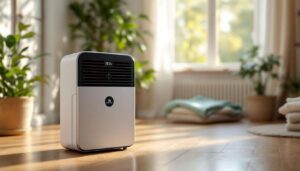
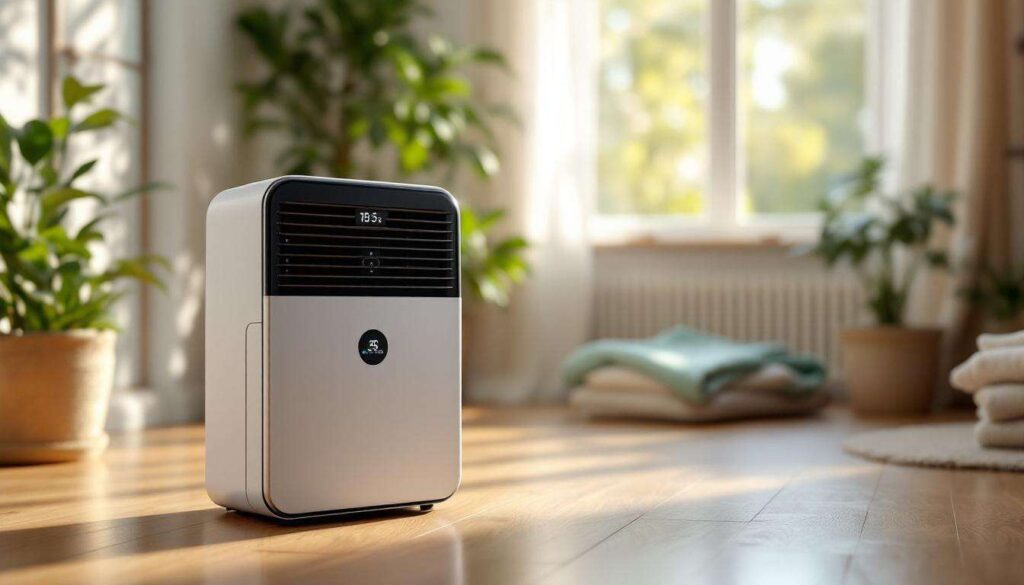
Dehumidifier placement significantly affects performance. Position the unit in areas with the highest moisture levels, such as basements, bathrooms, laundry rooms, or bedrooms with poor ventilation. Within each room, place the dehumidifier at least 12 inches away from walls and furniture to ensure adequate airflow around the intake and exhaust vents. Corners may seem logical for space-saving, but they restrict air circulation and reduce efficiency.
Avoiding obstructions and confined spaces
Never place dehumidifiers inside closets, behind furniture, or under tables where airflow is restricted. The device needs space to draw in humid air and expel dried air effectively. Similarly, avoid placing them directly on carpets or thick rugs, as these surfaces can block bottom vents and cause the unit to overheat. Instead, use a hard, level surface that allows for proper ventilation and drainage access.
Considering multiple units for larger homes
A single dehumidifier typically covers 1,500 to 3,000 square feet, depending on its capacity. Larger homes or multi-level residences may require multiple units strategically placed throughout the property. Attempting to dehumidify an entire house with one undersized unit leads to disappointing results and increased energy consumption as the device struggles to keep up with demand.
| Room Type | Recommended Capacity | Optimal Placement |
|---|---|---|
| Small bedroom | 20-30 pints/day | Center of room, away from walls |
| Basement | 50-70 pints/day | Central location with drainage access |
| Bathroom | 20-30 pints/day | Near shower, away from direct water spray |
| Laundry room | 30-50 pints/day | Near drying area, good airflow |
Once you’ve positioned your dehumidifier correctly, the next step involves fine-tuning its operational settings to match your specific needs.
Adjusting settings for efficient results
Using built-in hygrometers and humidity sensors
Modern dehumidifiers feature built-in hygrometers that measure ambient humidity levels and automatically adjust operation. However, these sensors can become inaccurate over time or may not reflect conditions throughout the entire room. Consider purchasing a separate digital hygrometer to verify readings and place it in a central location away from the dehumidifier itself. This provides more accurate data for adjusting settings appropriately.
Selecting appropriate fan speeds
Most dehumidifiers offer multiple fan speed settings. Higher speeds extract moisture more quickly but consume more energy and generate more noise. Lower speeds operate quietly and efficiently but take longer to achieve desired humidity levels. Match the fan speed to your situation: use high speed for initial moisture removal or extremely humid conditions, then switch to lower speeds for maintenance once target humidity is reached.
Programming timers and auto-restart features
Timer functions allow you to schedule operation during specific hours, which is particularly useful for managing electricity costs during peak-rate periods. Auto-restart features ensure the dehumidifier resumes operation after power outages, maintaining consistent humidity control. Program your device to run during times when humidity naturally increases, such as early morning or evening hours, rather than continuously throughout the day.
Proper settings work hand-in-hand with regular maintenance to ensure your dehumidifier operates at peak efficiency.
Regularly maintaining your dehumidifier
Cleaning filters and coils
Air filters trap dust, pet dander, and other particles, preventing them from clogging internal components. Clean or replace filters every two to four weeks during heavy use periods. Remove the filter, vacuum loose debris, then wash with mild soap and water. Allow it to dry completely before reinstalling. Additionally, clean the condenser coils annually using a soft brush or vacuum attachment to remove accumulated dust that reduces cooling efficiency.
Emptying and sanitizing water reservoirs
Water tanks provide ideal conditions for bacteria and mold growth if not regularly maintained. Empty the reservoir daily or whenever the full indicator illuminates. Once weekly, wash the tank with a solution of one part white vinegar to three parts water to eliminate microbial growth and prevent odors. Rinse thoroughly and dry before reinstalling to avoid reintroducing contaminants into the air.
Inspecting drainage systems
For units with continuous drainage options, periodically check hoses for kinks, blockages, or disconnections. Ensure the drainage path slopes downward without loops that could trap water. Clear any mineral deposits or debris from drain outlets using a thin brush or pipe cleaner. This prevents backup that could damage the unit or create water overflow situations.
Seasonal storage and preparation
When storing dehumidifiers during low-humidity seasons, clean all components thoroughly, empty and dry the water tank completely, and store the unit in a dry location covered with a protective cloth. Before restarting after storage, inspect for dust accumulation, verify all parts are properly assembled, and run a test cycle to ensure proper operation.
Beyond general moisture control, dehumidifiers serve a specific purpose that many homeowners overlook when dealing with laundry challenges.
Using the dehumidifier for drying laundry
Setting up an effective drying space
Indoor laundry drying introduces significant moisture into your home, often raising humidity levels by 20% or more. Create a dedicated drying area in a small, enclosed room such as a utility room, spare bedroom, or bathroom. Position the dehumidifier near, but not directly under, the drying rack to maximize moisture extraction. Close doors and windows to contain the humid air and allow the dehumidifier to work efficiently.
Optimizing drying time and energy use
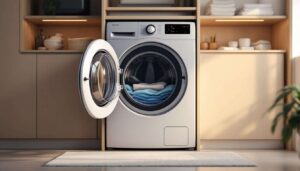
Combine dehumidifier use with proper laundry preparation for faster drying. Spin clothes thoroughly in the washing machine to remove excess water before hanging. Space garments adequately on drying racks to allow air circulation around each item. Position heavier items like towels and jeans closest to the dehumidifier, with lighter fabrics further away. This strategic arrangement can reduce drying time from 24 hours to 8-12 hours while preventing musty odors.
Preventing moisture damage during laundry drying
Without proper dehumidification, indoor laundry drying causes condensation on windows, walls, and ceilings, leading to mold growth and paint damage. Monitor humidity levels closely during drying sessions, maintaining them below 60% to prevent these issues. Empty the water reservoir more frequently during laundry drying, as moisture extraction rates increase significantly. Consider using a unit with continuous drainage when regularly drying large loads indoors.
- Use the highest fan speed setting for faster moisture removal
- Position the drying rack at least two feet from the dehumidifier
- Avoid overloading drying racks, which impedes airflow
- Run the dehumidifier continuously until clothes are completely dry
- Clean filters more frequently during heavy laundry-drying periods
Proper dehumidifier use transforms indoor laundry drying from a moisture problem into a practical solution for year-round clothing care. By implementing these techniques alongside the placement, settings, and maintenance practices discussed earlier, homeowners can maximize their dehumidifier’s potential. These simple adjustments address common issues like persistent dampness, mold development, and inefficient laundry drying while reducing energy costs and extending appliance lifespan. Taking time to understand your dehumidifier’s capabilities and optimizing its operation creates a healthier, more comfortable living environment free from excess moisture and its associated problems.